Read More
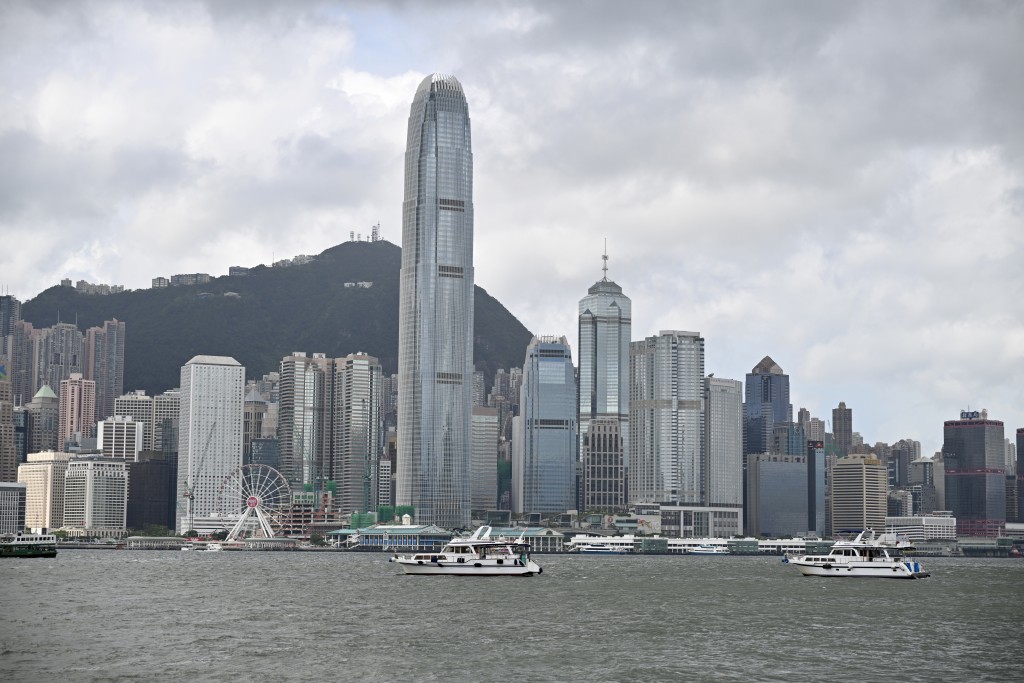
Wharf Real Estate Investment Co (1997), the operator of Hong Kong's biggest mall Harbour City, expects to turn profitable for the first half thanks to a lower revaluation deficit for its investment properties.
ADVERTISEMENT
SCROLL TO CONTINUE WITH CONTENT
That compared with a net loss of HK$1.47 billion for the corresponding period last year, according to a stock filing yesterday.
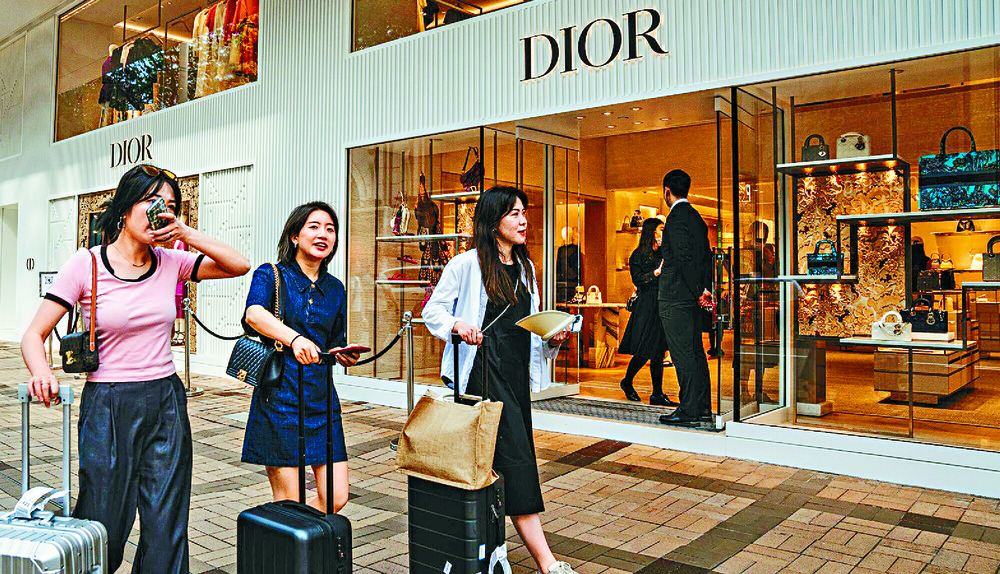
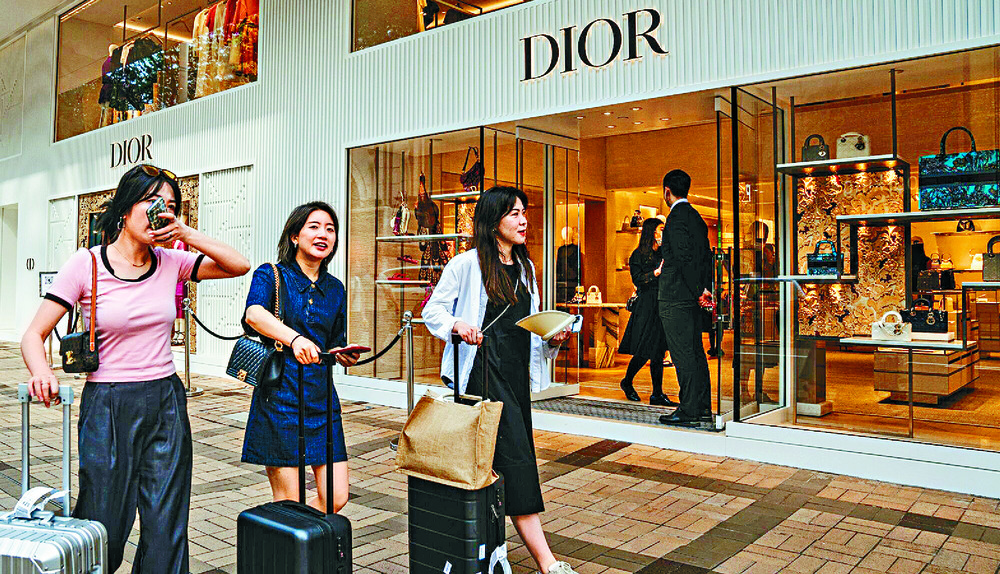
Last month, its executive director, Leng Yen-thean, said Harbour City has seen sales and foot traffic return to more than 70 percent of peak levels in 2019 since China reopened its borders.
The sprawling complex in Tsim Sha Tsui facing Victoria Harbour has long established itself as the go-to destination for mainland tourists looking to buy Hermes bags and Rolex watches.
This came as Hongkong Land, the biggest landlord in Central, said it plans to invest HK$780 million annually in upgrading its portfolios in the district. The announcement came as it celebrated the 50th anniversary of Jardine House yesterday.
The investment will ensure its buildings, including Jardine House, remains contemporary and digitally enhanced, Hongkong Land added.
The news alco came as consulting firm McKinsey said in a new report that a shift to remote working is likely to wipe US$800 billion (HK$6.24 trillion) from the value of office buildings in major global cities by 2030.
The survey on nine "superstar" cities - Beijing, Houston, London, New York City, Paris, Munich, San Francisco, Shanghai, and Tokyo - showed that demand for office space would be 13 percent lower in 2030 than it was in prepandemic 2019.
"Superstar" cities are locations with a disproportionate share of the world's urban gross domestic product and GDP growth.
The survey said employees continued to spend far less time working at the office compared to pre-pandemic times. Remote working seemed to have contributed to migrate away from prime cities, partly influenced by complete work-from-home models and cheaper housing availability in suburban areas.