Read More
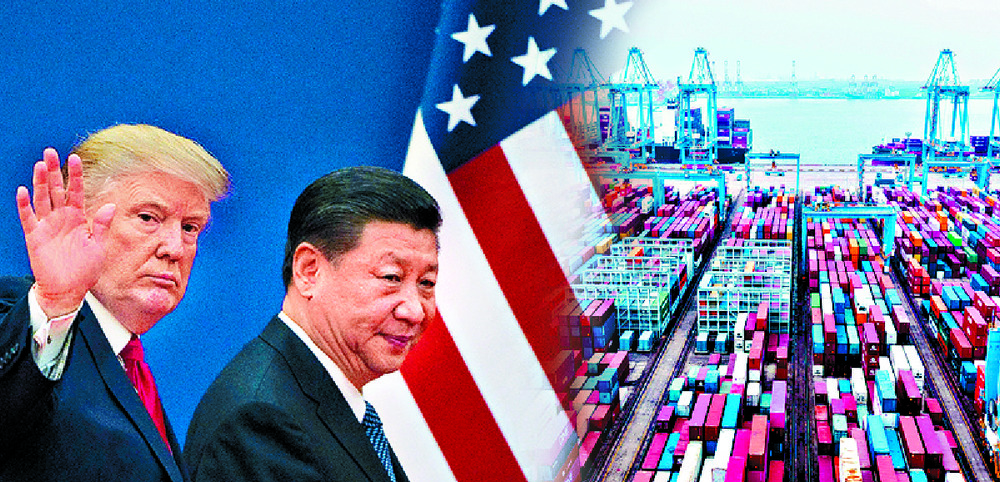
President Donald Trump has been consistent with the desire to bring manufacturers back to the United States. Reciprocal tariffs tied to the "Liberation Day" will make it costlier to import goods and, in theory, nicer to produce domestically.But the math is far more complicated.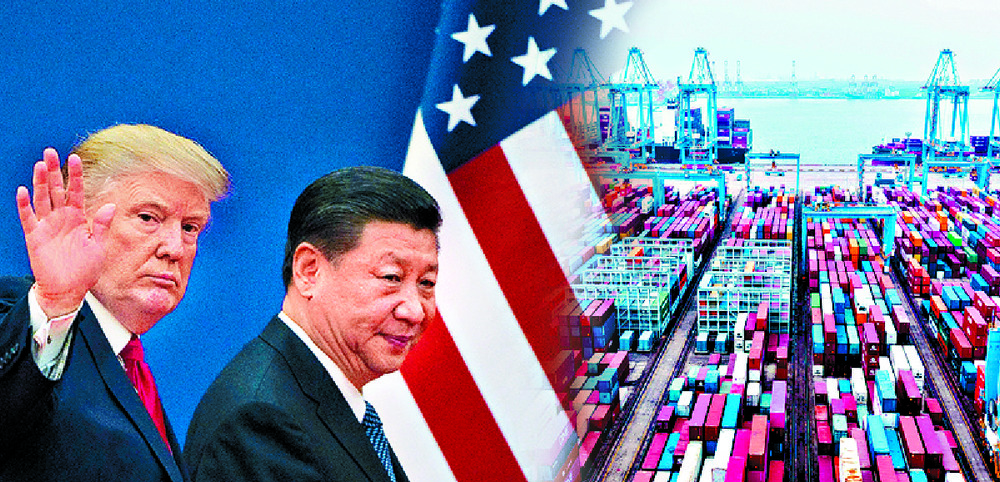
The assumption is: if a 20-percent tariffs can jack up the price of, for example, Chinese-made electronics or Mexico auto parts, companies would rethink offshoring and set up factories in Ohio that is known for having auto-making infrastructure.
ADVERTISEMENT
SCROLL TO CONTINUE WITH CONTENT
It is a big unknown whether Trump's bet on reciprocal tariffs - imposing tariffs on imports that match the tariffs other countries apply to US exports - will revive American manufacturing that has been lost to others due to globalization.
The outcome could be a situation without an absolute winner though some countries would be hit harder than others in a full trade war.
Historical evidence has shown that tariffs can shift incentives. After Trump slapped 25 percent tariffs on foreign steel in 2018, domestic steel production was reported to have gone up 6 percent in two years with Kentucky, for example, benefitting from it.
Perhaps, Trump's gamble is that a broader reciprocal tariff scheme matching, say, China's tariffs on US goods with equal US levies would achieve the same for other sectors, betting that higher import costs would suddenly make US factories look competitive.The problem is US wages are high - US$17 (HK$132)per hour for a factory worker, compared to US$3 in Mexico and even less in Vietnam. Economists are pointing out that tariffs may narrow but does not close the gap.
A broad tariff could also boost retail prices and hurt consumers.Complicating the math is that the European Union and China, for instance, will counter it with their own levies, which will make US goods uncompetitive.
If US manufacturers lose export markets, this would hurt them and this was precedented.In 2018, bike maker Harley-Davidson was forced to shift some production out of America to avoid EU tariffs.
So, a reciprocal tariff war will bring home some factories and force others to move elsewhere like Vietnam and India.This is despite consensus among some analysts that high-tech sector may be an exception in view of the country's dominance in technology. Since its passage in 2022, the CHIPS and Science Act was reported to have lured US$200 billion in chip factory investment in the United States.
Economists have also warned "Liberation Day" tariffs could increase the risk of stagflation in the United States.Stagflation last haunted America in the 1970s. Then, the oil crisis was the main culprit.
However, tariffs were linked to the Great Depression. In 1930, the Smoot-Hawley Tariff Act significantly increased import duties on a wide range of goods with an intent to protect US businesses and farmers. It sparked retaliatory tariffs and weakened trade, ultimately worsening the Great Depression.Although the US economy is more resilient than a century ago, a tariff war could still stall growth - especially if oil prices spike. Small wonder Trump has asked Saudi Arabia to stabilize oil production even if oil prices fluctuate.
Trump is playing a global economic and geopolitical game of the very highest risk.As Donald Trump unleashes his tariff war, President Xi Jinping is expected to retaliate in kind.