Read More
Reports that China is moving to tax the super rich on their overseas investment gains have again put wealthy individuals on the radar.Reports that rich people in major Chinese cities are being told to be forthcoming with their overseas gains hit two birds with one stone.
The tax provision has always been there but, apparently, been rarely implemented until rather recently.
ADVERTISEMENT
SCROLL TO CONTINUE WITH CONTENT
First, it helps increase government revenues. Second, the ultra rich will have to reveal their wealth hidden overseas as they fill in their tax returns.
Despite speculation on the amount of such wealth, there has never been an official account of how much is actually out there.
The report that wealthy individuals were told in recent months to either report their gains voluntarily or face being summoned to be questioned by local authorities also confirms the maxim to "dig the well before you get thirsty."
As local governments turn to the central government for bailouts from their heavy debts, local cadres are also under pressure to turn over every stone to look for money.While the super rich are such an obvious target that they could not have possibly missed over the years, it begs the question of why local officials had been turning a blind eye to these obvious revenue sources despite the tax provision already in place.
By coincidence or not, calls for higher taxes on the super rich, including their global incomes, are gathering momentum worldwide.For example, the UK abolished the tax break for wealthy foreign residents - known as "non-doms" - before the last general election. And Brazil - the current host country of the G20 that also includes China - has moved to the top of the agenda a tax on wealth.
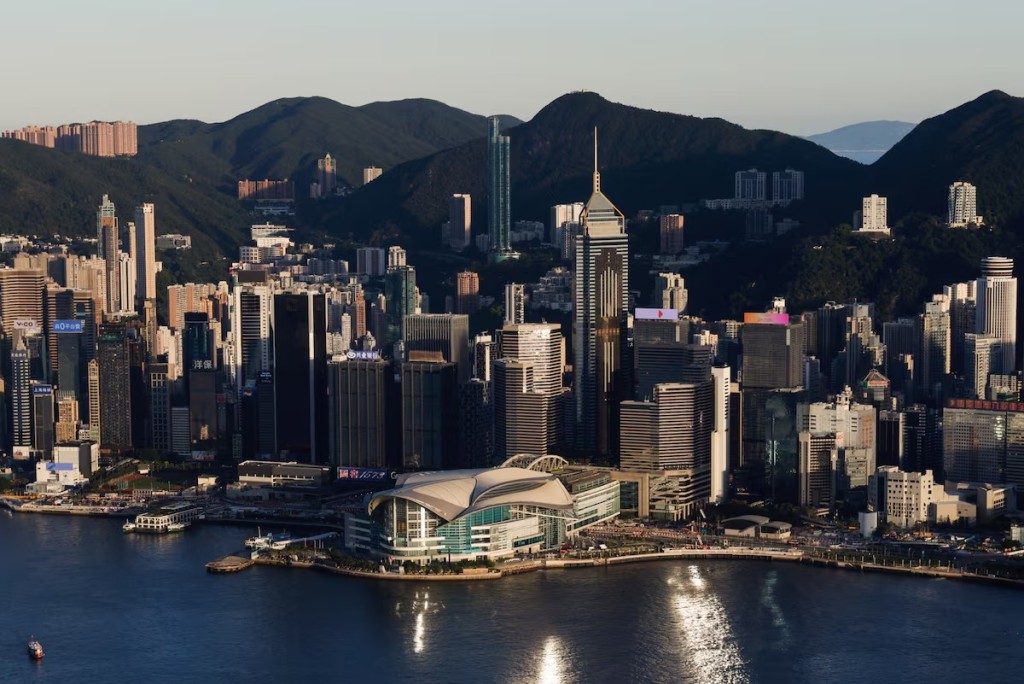
Hong Kong is one of the last handful of bastions where a low-tax regime is maintained without targeting global income.But, as the mainland begins to crack down on the super rich with a view to recovering fortunes from their overseas assets, will Hong Kong also come under pressure to expand its tax regime in light of dwindling income from land sales and other existing sources?
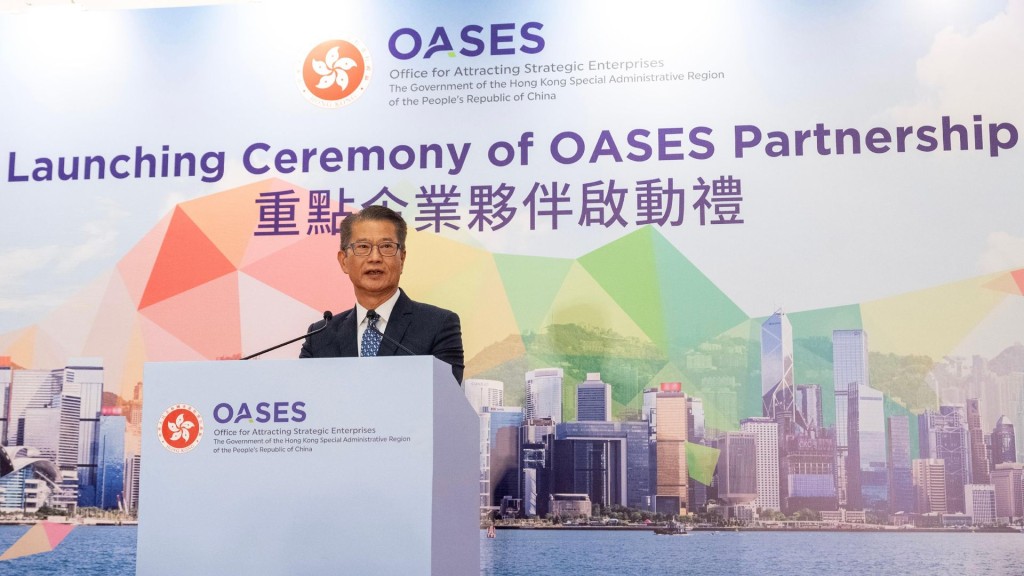
It is hoped that Financial Secretary Paul Chan Mo-po will not bow to the pressure since a low and simple tax regime is what this financial center is best known for, but the issue will no doubt continue to hang over the city until it is able to improve its economy.According to the report, the ultra rich being contacted in the mainland are being informed that they face levies up to 20 percent of their investment gains. Those with past arrears will also be penalized, with the final amount being negotiable.
Although there has been no official confirmation, the report is likely to be credible in light of past crackdowns on celebrity entertainers accused of using double contracts to hide their true worth.It is believed that, as the central government has to borrow trillions of yuan from the public to finance local government operations and infrastructure investments after boosting the stock markets, local cadres will continue to dig alternative wells for water.
So, who will be the next after the obvious - but previously overlooked - target of the super rich?