Stocks in the mainland and Hong Kong mounted a steep climb over a matter of a few days.
The successive announcements, first by the People's Bank of China, to increase liquidity supply and then the Politburo to commit to rolling out fiscal measures to stimulate consumption and stabilize the property sector have truly driven the whole nation into a feverish state.
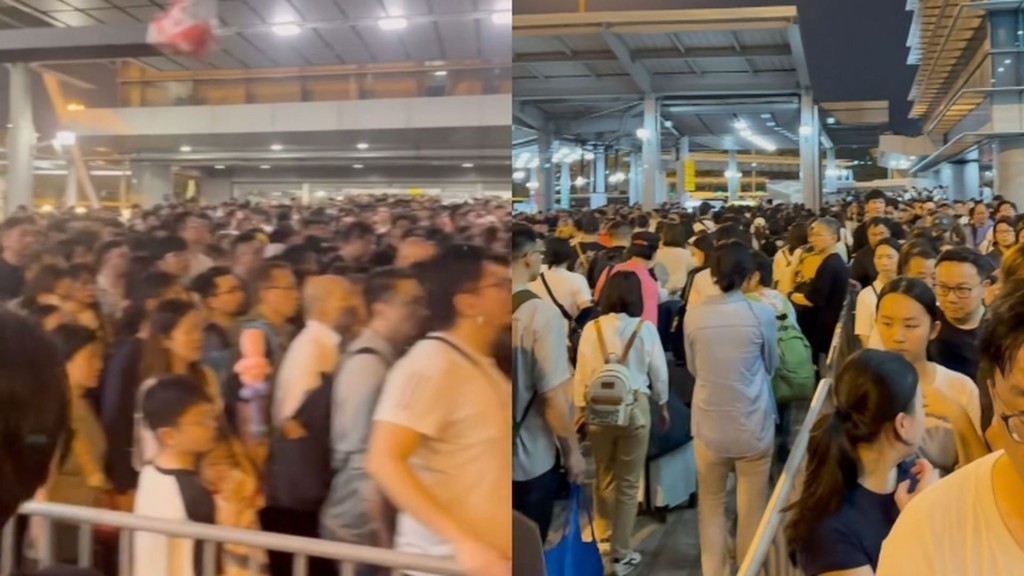
Reports that many people, mostly of young age, queued up to open brokerage accounts to join the financial feast caused many jaws to drop.
This stock surge was quickly likened to the major, but unsustained, rally in 2015.
Very often, it can be far too easy to draw a comparison even when the fundamentals may not be the same.
In 2015, a surge in optimism was spurred by government measures that included restrictions on short selling and support for brokers to buy shares.
These and other policy directives led to a rush of retail investors going into the market prior to an abrupt crash later that year.
The market then was highly leveraged.
As an old piece of wisdom says, history does not repeat itself readily though it rhymes and - despite a sense of deja vu - the rally this time around could be different.
As with most rallies, the latest was spontaneous, but the volume was extraordinarily large.
On Monday, a day before the week-long National Day holiday period in the mainland, stocks in both Shanghai and Shenzhen continued to surge as trading hit 2.58 trillion yuan, beating the last daily record of 2.37 trillion yuan set in May 2015.
Trading was so vigorous that morning that the volume easily surpassed the 1 trillion yuan mark in 35 minutes after trading opened.
In Hong Kong, a new record was also set with more than HK$500 billion worth of stocks traded.
A question arose: where did the huge amount of money come from since such a magnitude of trading could not be achieved by retail investors alone without corresponding surges from other sources?
While mainland institutions are known to have been instructed to help shore up the shares, changes in foreign exchange rates suggested capital has also been flowing in from outside the mainland and Hong Kong.
As market indexes rose, both the Hong Kong dollar and yuan strengthened against the US dollar, suggesting an increase in demand for both.
There is no question that capital has been flowing in.
Investors, both domestic and overseas, are delighted by the stimulus and thrilled to join the feast that everyone has been waiting for in a frenzy driven by instinct.
However, it is uncertain whether or not the pick up in the stock market will be sustained by economic growth to be reflected in company results in the months ahead.
It's a question that requires close monitoring.
So, will real economic activities intensify to benefit factory outputs and corporate earnings? This is the major concern.
Nonetheless, the feast is on and investors - individual and institutions alike - are just too happy to bother too much about what is going to happen months down the road.