Read More






Defying the demographic cliff: restoring hope
06-10-2026 04:56 HKT

Three arrested over missing fire door frames in public estate lift overhaul
16-10-2026 20:10 HKT
Unlike the city's charge-per-bag waste disposal policy that has drawn mixed reactions from society, it appears that the latest initiative to get rid of plastic tableware will be launched without any unexpected incidents.
Also, hotels cannot provide free plastic products such as toothbrushes and combs. Many hotels have already replaced these with wooden ones.
Society has clearly reacted differently to the two major policies.
The reason the public is more concerned about the "pay-as-you-throw" scheme than the other one is because the former is more complicated in practice - it's not that the public does not support the environmental cause behind the policy.While a policy has to be sound as a cause, it should also be simple to execute. The pay-as-you-throw scheme has turned out to be not as simple as just buying labeled bags as it also involves building management.
When frontline cleaners are told they could also face criminal liability, who would not be wary?Although most residents will dump household waste in designated bags and the chance is low that cleaners would actually face criminal charges for handling waste dumped in non-designated bags, the legal burden is unnecessary and erodes support for the scheme.
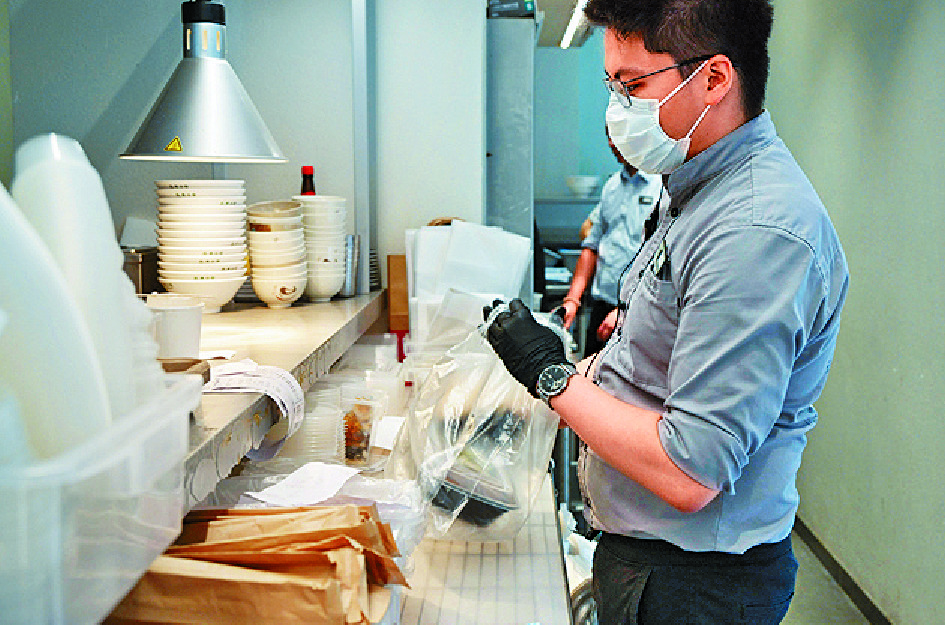
In contrast, the ban on plastic tableware does not confuse businesses or customers. As long as practical substitutes for plastic kits are available, it involves little change to the way a restaurant operates and how the public consumes meals.The ban is being upheld in two stages. The first, starting today, deals with plastic products with plenty of known alternatives. Additionally, there is a six-month grace period to let operators use up their plastic inventories.
Products such as cup and food containers currently with only limited alternatives will be targeted in the second stage so that operators have more time to source substitutes.It is essential to phase in changes to avoid confusion.
Prior to the ban, authorities created an early online platform to provide information of suppliers for operators to compare and source supplies.This was backed by numerous visits to restaurants, retail outlets and hotels to explain the policy.
While businesses are concerned about operational costs, the cost of non-plastic substitutes is expected to drop as more switch to the non-plastic versions.It would be a pity if the other scheme to charge per bag were to be ditched due to improper planning that should have been readily overcome.
Don't complicate a policy when it can be simple.It is hoped that environment minister Tse Chin-wan can draw on the experience from the plastic tableware ban to fix difficulties arising from the pay-as-you-throw policy that had resounding support in the legislature when it was passed in 2021.
This was contrary to a pro-establishment lawmaker's claim that it was advocated by the radical opposition in the past.