Read More
Former chief executive Carrie Lam Cheng Yuet-ngor could have readily helped to set a good example on public finance as the current government grapples with a widened fiscal deficit and a slowdown in economy.
ADVERTISEMENT
SCROLL TO CONTINUE WITH CONTENT
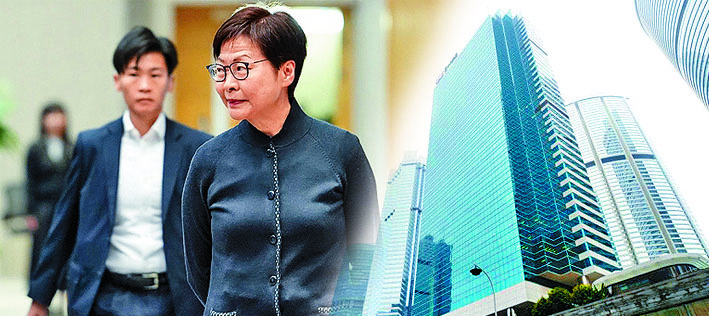
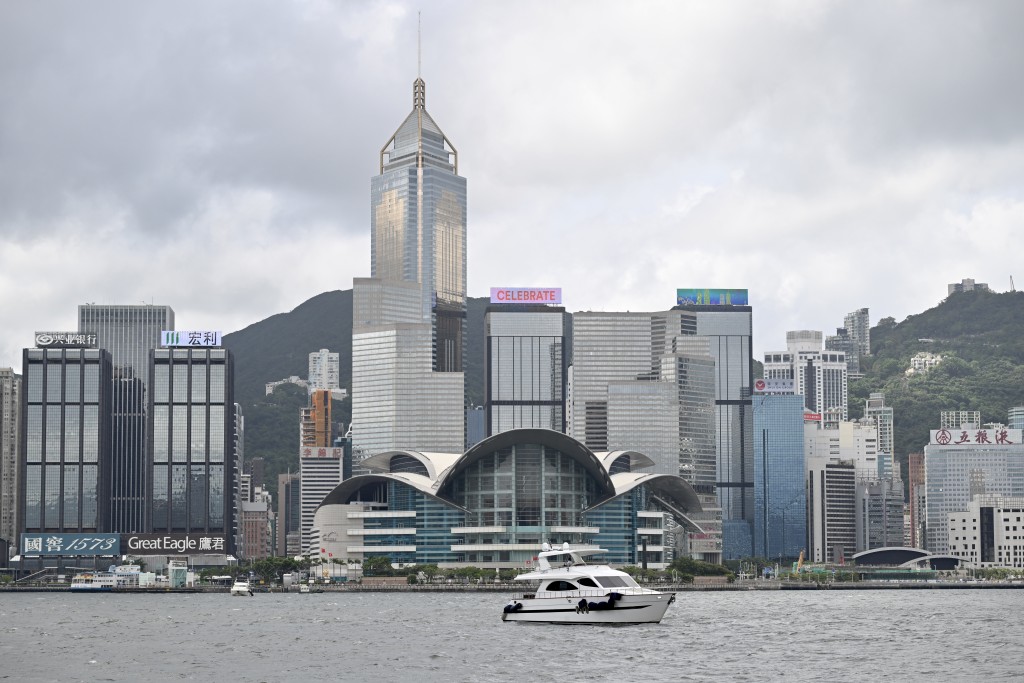
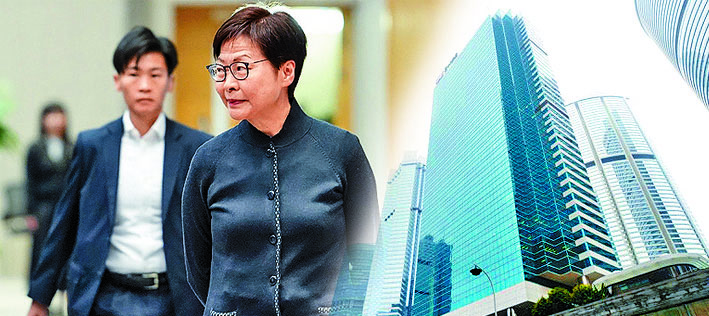
Besides lawmakers being astonished to learn Lam's office on Level 8 of One Pacific Place in Admiralty has cost taxpayers more than HK$22 million over the space of 21 months, the revelation by the government's Administrative Wing has also caused many a head to shake.
And Director of Administration Millie Ng Kiang Mei-nei's defense that it was necessary to rent such a premium office to reflect the immediate past chief executive's privileged status will only cause more eyeballs to roll.
Although it may be a political arrangement to extend their public lives, former chief executives are privileged to be served by an office and staff.
It was because of this that a Grade I historic building in Mid-Levels was converted into an office for former chief executives when the SAR's then-chief executive Tung Chee-hwa was about to step down.
There was already a row when Lam refused to move to the tailored office to share space with her three predecessors, namely Tung, Donald Tsang Yam-kuen and Leung Chun-ying.
Instead, she chose an address in Admiralty's prime office tower.
According to the Administration Wing, this office that is exclusively used by Lam accounted for 44 percent of the total expenditure related to all four ex-chief executives in the last financial year. It is not difficult to imagine how waste is being generated.
While the office now serving the three chief executives preceding Lam is staffed by one team of civil servants, Lam's office at One Pacific Place is staffed by a separate team at a time resources could have been shared for greater efficiency.
If Lam's office is symbolic of something, it can only be a symbol of waste of public resources during difficult times.
The contract has been signed for three years. What does the administration plan to do when the contract is due?
Whether it is renewed or not, it is bound to incur further cost to the public purse.
The office question was relatively simple when Tung stepped down as the SAR's first chief executive due to "leg pains."
At that time, he was the only retiring chief executive and converting the historic building on Kennedy Road was enough to meet the need.
Twenty seven years after the handover, the number of retired chief executives has increased to four and the number will grow further in light of the extended life expectancy enjoyed by Hongkongers.
This is a matter of concern.
Will the director of administration announce say that it will locate space at yet another premium office tower to be the office of John Lee Ka-chiu, who will have to retire one day? Will the cost of running the offices continue to pile up?
It may be true that a similar arrangement is in place in some countries for their government heads after retirement. But Hong Kong is very small and it is inconceivable to have so many of these in such a tiny city.
It is high time for policymakers to find a proper and lasting arrangement.