Read More
It's no secret that the government is running out of money.
ADVERTISEMENT
SCROLL TO CONTINUE WITH CONTENT
In the face of a shortfall of more than HK$100 billion - together with a pessimistic outlook for the coming year - it is absolutely right for Financial Secretary Paul Chan Mo-po to order policy bureaus to produce plans to cut back spending.
Nonetheless, a proposal that dominated news headlines for the past two days could be flawed even though it seems to make good sense on the surface.
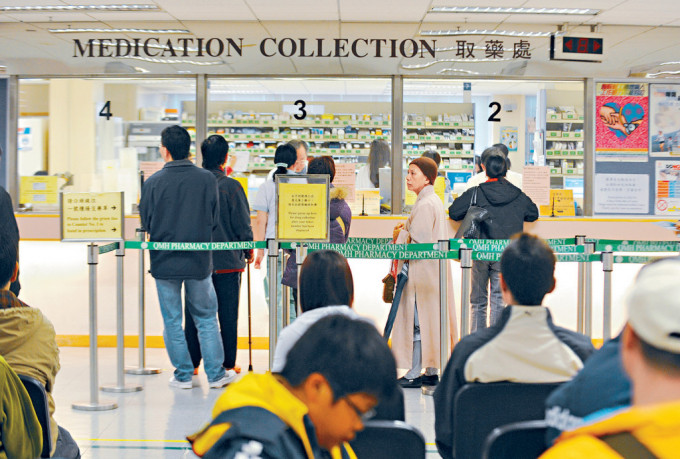
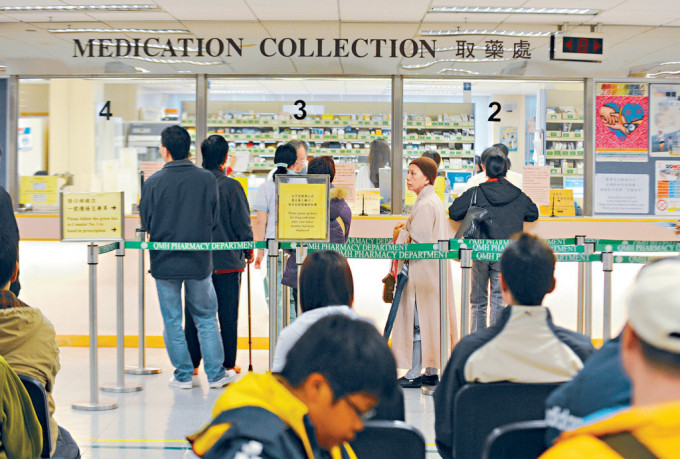
It was suggested that Hongkongers who have emigrated for a number of years would not be allowed to use local public medical services as local residents are able to.
In other words, the next time they return here to attend medical appointments at public clinics or hospitals, they should be charged a fee like foreigners.
Who wouldn't hesitate to echo the idea? For example, medical sector lawmaker David Lam Tzit-yuen was one of them.
While saying these emigrants were most welcome to enjoy the medical benefits if they returned to Hong Kong for good, Lam agreed a review may be needed to differentiate those emigrants from locals.
Apparently, it is still an early idea and a policy decision is not expected soon. However, imagine who would be most affected if the idea became policy.
Rather than those leaving in the past several years, the most affected would be those who had left Hong Kong in their prime decades ago and are now retired. The medical needs of these early emigrants are also the most apparent.
I do not know how lawmaker Kitson Yang Wing-kit arrived at the estimate that about 200,000 Hongkongers have left the city permanently. I believe the number must be much higher if those leaving in the 1970s and 1980s are included.
Those joining the early waves of migration were mostly villagers affiliated with local clans in the New Territories.
Many of them have continued to maintain a firm relationship with their clans or representatives in the Heung Yee Kuk.
Despite having lived overseas for many years, many are patriotic and identify themselves with Beijing - unlike many of those who have left on the BNO or other visas after 2019.
It is true that the groups leaving after 2019 also included a number of elderly who speak little English and continue to rely on Hong Kong's public health services for scheduled medical follow-ups.
If they were treated like foreigners when they returned to Hong Kong to see doctors, it would not surprise me in the least if many returned to Hong Kong for good because of their health concerns.
But this would unlikely be true among the younger ones who have already got used to the way of life of different cultures.
Unlike their parents or grandparents, they rarely go to Hong Kong for medical services because, as fluent English speakers, they are able to navigate through their local health systems.
So will the proposal help the government save money if implemented?
I seriously doubt it.
Those already dependent on the city's public health system will likely return for good. They can then claim other social benefits too, including public housing and allowances for the elderly.