Read More
The policy address may be best described as a population policy.These are closely aligned with Beijing's overall objective to reverse a falling birthrate across the country and forge strategic ties with countries along the Belt and Road.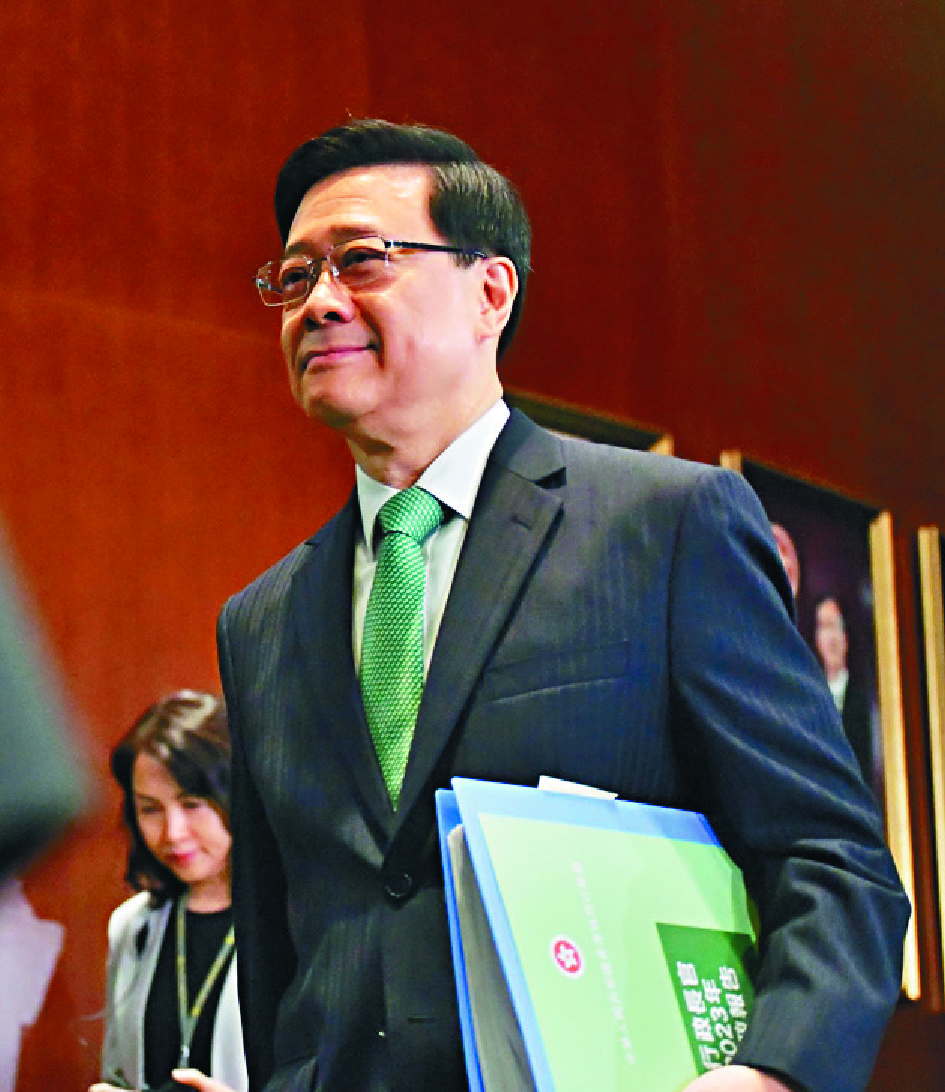
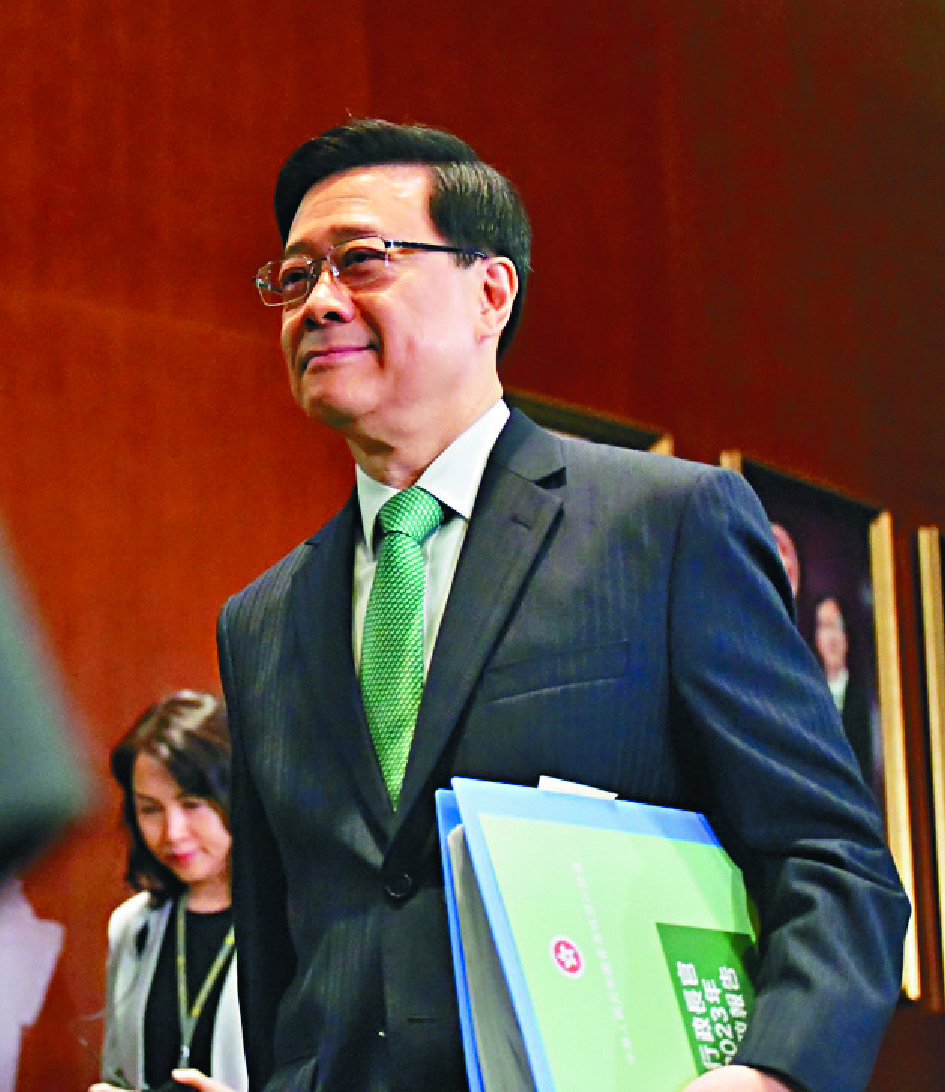
Of all the policy speeches heard over the years, this one given by Chief Executive John Lee Ka-chiu was undoubtedly the longest, loaded with incentives to encourage childbirth and people - mainly from the mainland and Belt and Road countries - to move to the SAR.
ADVERTISEMENT
SCROLL TO CONTINUE WITH CONTENT
While foreign companies are welcome to re-domicile in the city, Lee devoted a major part of his speech to integrating Hong Kong and the Belt and Road via a population policy.
As reported prior to the address, the chief executive is forking out a nominal sum of HK$20,000 subsidy to couples with newborns.
The promised amount is not enough to settle a private hospital bill but it is supported by attractive offers to give these families some housing privileges, including a shorter wait for public housing and a special quota for them to secure HOS flats along with years of related tax deduction.
Will Hong Kong's young couples bear more children because of these incentives?The government will review the HK$20,000 subsidy after three years - but perhaps it need not wait that long to know the outcome as statistics will begin emerging a year after its introduction.
The main thrust of the unspoken population drive is in a basket of measures aimed at drawing mainlanders and Belt and Road nationals to the SAR.Even if local parents respond positively to the incentives, the city will still have to wait 20 years or more before the children reach adulthood. But new blood from elsewhere offers an instant supply to replenish the manpower loss due to emigration and a record-low birthrate.
By deferring the buyer's and non-residential stamp duties, the government has effectively abolished both taxes for non-resident buyers on the assumption that they will remain in Hong Kong long enough to become permanent residents.The investment in a new hub for higher education, doubling of admissions of non-local students by universities with enhanced and dedicated scholarships and the revival of an investment visa scheme for individuals investing HK$30 million in stocks, funds and bonds are all aimed at drawing outsiders to the city.
It is believed that the revived visa scheme will be attractive to many mainlanders and a number of South Asia nationals.The Hang Seng Index opened high by more than 470 points in anticipation of economic stimuli.
However, most of the gains evaporated as the speech was being delivered, with the index managing to close above 17,000.As said, it was more a speech about the population than budget - the population policy is too long term for the market.
Meanwhile, it is curious that Lee seemed to be placing greater emphasis on the Northern Metropolis than the Kau Yi Chau artificial islands - in this last speech, he managed to mention both with equal emphasis.Could he be trying to give a hint on the prospect of the artificial islands?