Read More
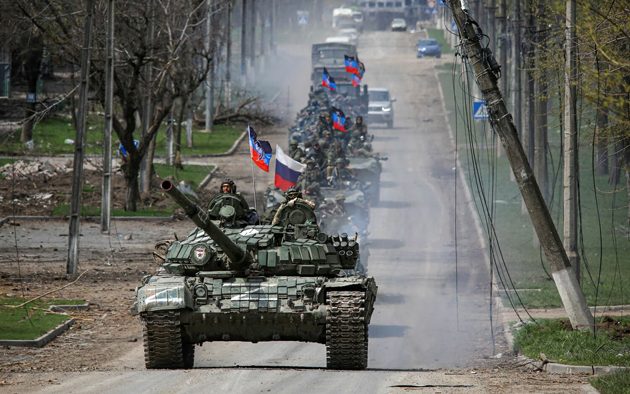
Without publicity, Ukraine has launched its much anticipated counter-offensive.
ADVERTISEMENT
SCROLL TO CONTINUE WITH CONTENT
Except for those closely involved in intelligence or the war, outsiders do not know the latest progress.
If the first half has also been a social media war, it has suddenly become quiet. When the media has got something to report, it is already delayed.
When Ukrainian President Volodymyr Zelensky confirmed the launch of the counter-offensive, the push was already well underway.
By the time Sky News reported on Ukraine making the first "localized" gains and liberating several villages in the Donetsk region, the troops had probably advanced further towards the east and the south.
Apparently, Ukrainians living in the affected areas have been heeding their government's appeal not to discuss the war that is raging on the ground, fearing that such talk could reveal their soldiers' movement to the enemy.
However, a consensus seems to have formed even among the Russians themselves: defeat for Moscow is imminent.
Even Russian President Vladimir Putin has openly admitted his invasion of Ukraine has caused Russia to suffer heavy losses.
It is only a matter of time before the war is over - the sooner the better to prevent as many deaths as possible.
Even though heavy fighting is reported on the frontline, countries directly or indirectly involved in the war - as well as nations proclaiming to be neutral - have started planning for the post-war situation.
This can be best reflected by the dilemma facing South Africa.
The country will host the BRICS summit in August and Putin has a standing invitation to visit the country.
However, as a member of the International Criminal Court, Pretoria is obligated to arrest the Russian president if he sets foot in the country.
World governments are assuming that Russia will be defeated later this year and are mulling how to protect their best interests in a post-war era.
The ruling African National Congress of South Africa, which has maintained a close relationship with Putin over the years, is also under pressure to plan for a reduced - if not disintegrated - Russia after its war in Ukraine.
The dilemma is evident in Pretoria's struggle to find a balance between inviting and not inviting Putin to the summit.
For the first time since 2018, South Africa was not invited to a G7 summit this year.
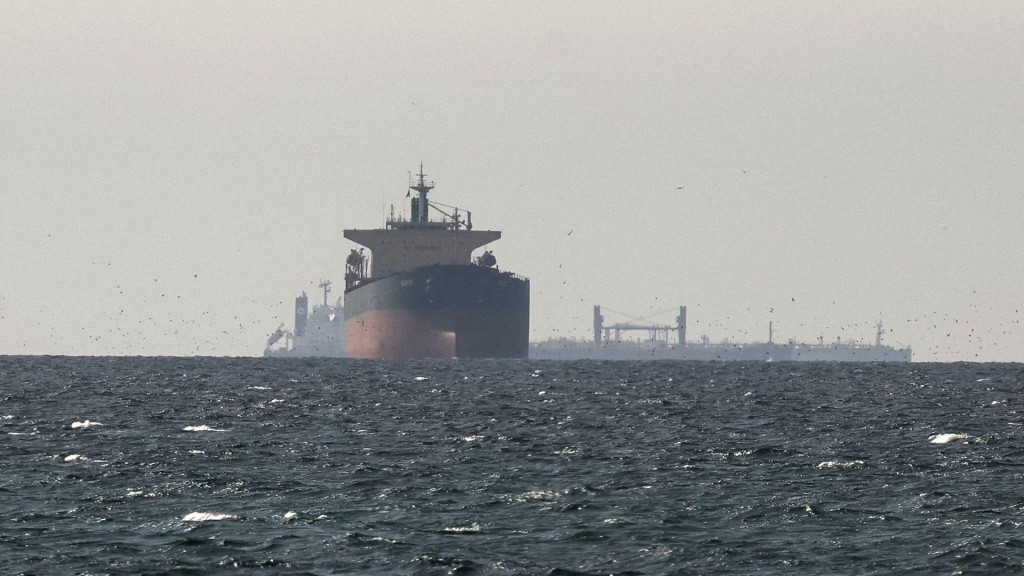
Prior to that, US ambassador to South Africa Reuben Brigety claimed Pretoria had loaded weapons and ammunition on to a Russian vessel, prompting South Africa to undertake to investigate the incident.
Despite its close relationship with Putin, Pretoria is also desperate to find a solution to defuse a crisis and prevent it from blowing up before August.
There is a suggestion that, instead of hosting the summit, South Africa could relocate the event somewhere outside the country, thereby passing the hot potato to somebody else.
Will the BRICS summit take place outside South Africa?
We don't know. But South African politicians are preoccupied with the country's interest after the war - and they are not alone.