Read More
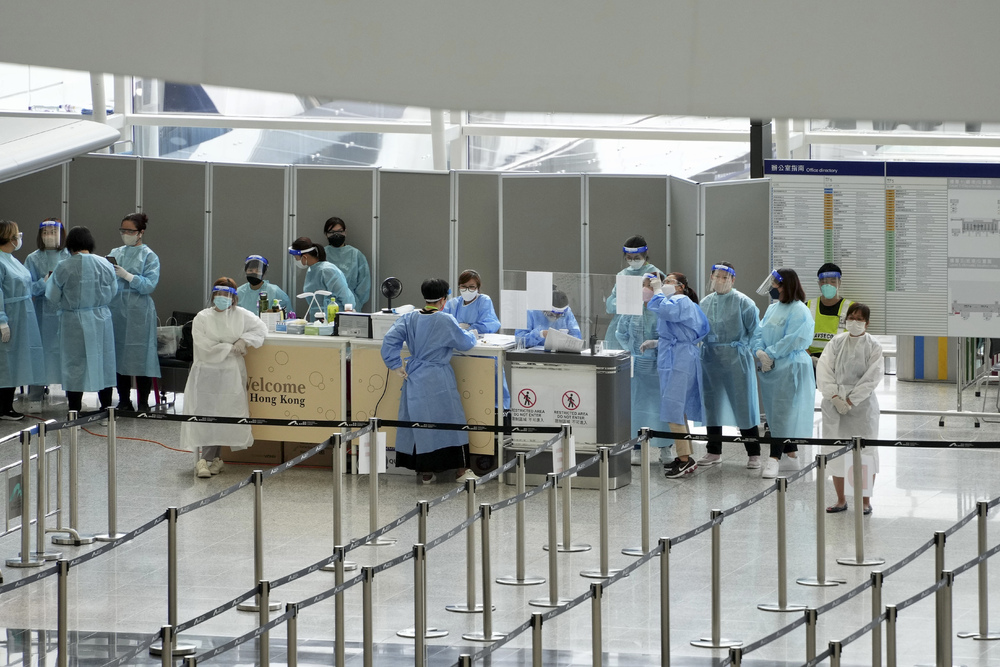
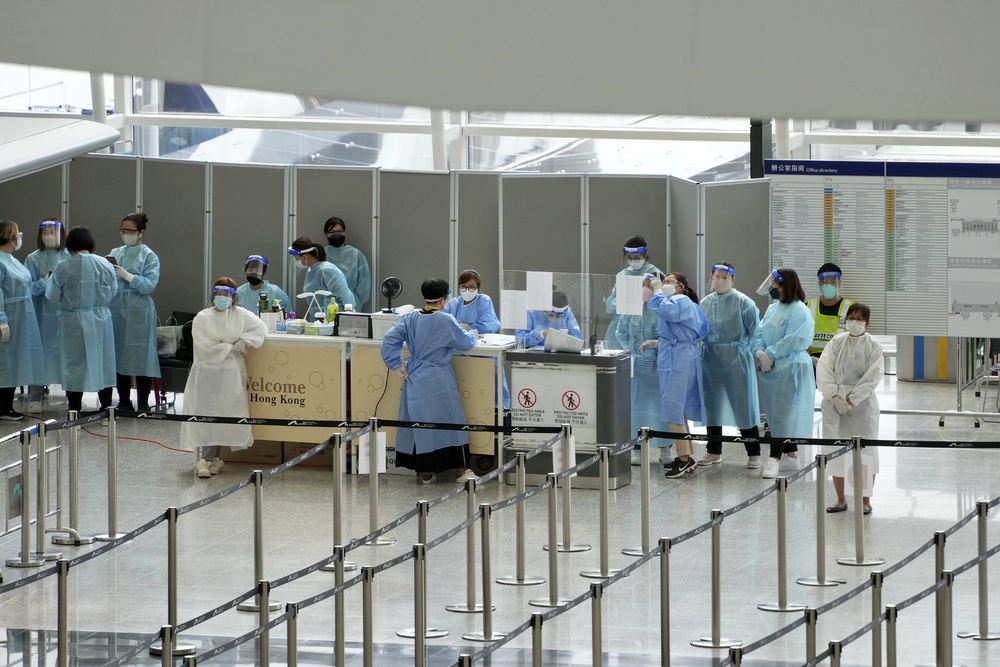
It's now more likely than ever that the so-called "3+4" quarantine policy will be replaced by "0+7" in light of not only Chief Executive John Lee Ka-chiu's public comments but also those of Hong Kong and Macau Affairs Office deputy director Huang Liuquan.
ADVERTISEMENT
SCROLL TO CONTINUE WITH CONTENT
Perhaps the most significant thing Huang said on the SAR's Covid policy was that it is indisputable for Hong Kong to adjust its pandemic control according to the situation.
It is clear in Huang's remarks that Beijing has allowed Hong Kong a free hand to pursue a policy that is suitable for the city.
If Huang's comment is read together with the chief executive's remarks that his administration is looking into the possibility of adjusting the "3+4" quarantine policy for arrivals, one can be fairly confident - finally - that the long-standing policy to put travelers in quarantine hotels is coming to an end.
Long overdue, sure, but also better late than never.
How soon will that out-of-date policy come to an end? The sooner the better is the only answer.
Around Hong Kong is a rapidly changing situation in which regional competitors are wasting no time to step on the gas to consolidate post-Covid recovery. And no one is waiting for the SAR to wake up and get ready.
A number of governments have or are in the process of reviewing their immigration policies so as to attract talents from other parts of the world. Some also offer incentives for multinational companies to move their offices there.
On August 11, even Macau passed a bill to create a new legal framework to attract overseas talent under three categories - highly qualified talent, talent of excellence and highly specialized talent.
The administration in Macau knows the gaming hub cannot rely on casinos forever and has to diversify its economy in the longer term. Of course, this is a path easier said than done but still a road the enclave must pursue.
Meanwhile, Singapore reportedly acted fast to invite the representatives of a Hong Kong-based recycling plant to visit the city-state and discuss setting up operations there. The plant had been informed by the Hong Kong Science and Technology Parks Corporation that the lease of its Yuen Long plant would be terminated.
It is all but clear the post-Covid challenges facing Hong Kong are multiple.
While other governments have abandoned their restrictions, Hong Kong's current quarantine policy is like a self-imposed cage isolating the city from the rest of the world. As Huang said, it is indisputable to change the policy according to the situation.
The steps on the stairs are heard and, hopefully, a timely decision will be made to make this happen as soon as possible.
Nonetheless, this should only be the beginning of a lasting exit from pandemic control. As Hong Kong Society for Infectious Diseases vice president Wilson Lam Wai-shun said, the government can consider making steps more progressive than "0+7".