Read More


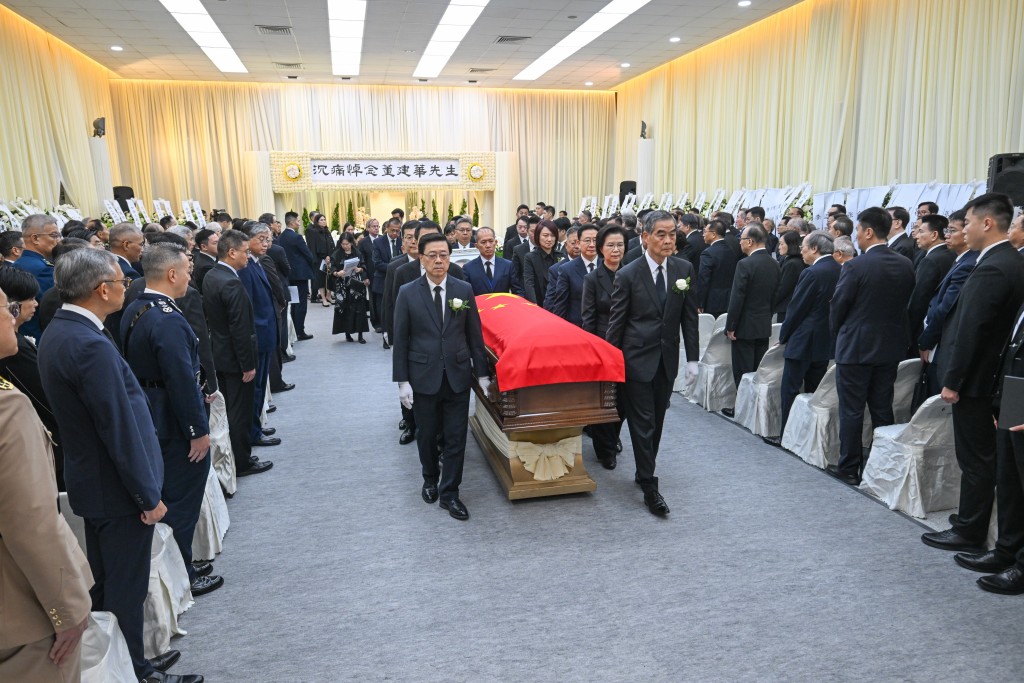
John Lee and CY Leung lead pallbearers for Tung Chee-hwa
20-09-2026 15:54 HKT

HKO forecasts showers Tuesday, tracks possible cyclone east of Philippines
21-09-2026 17:31 HKT
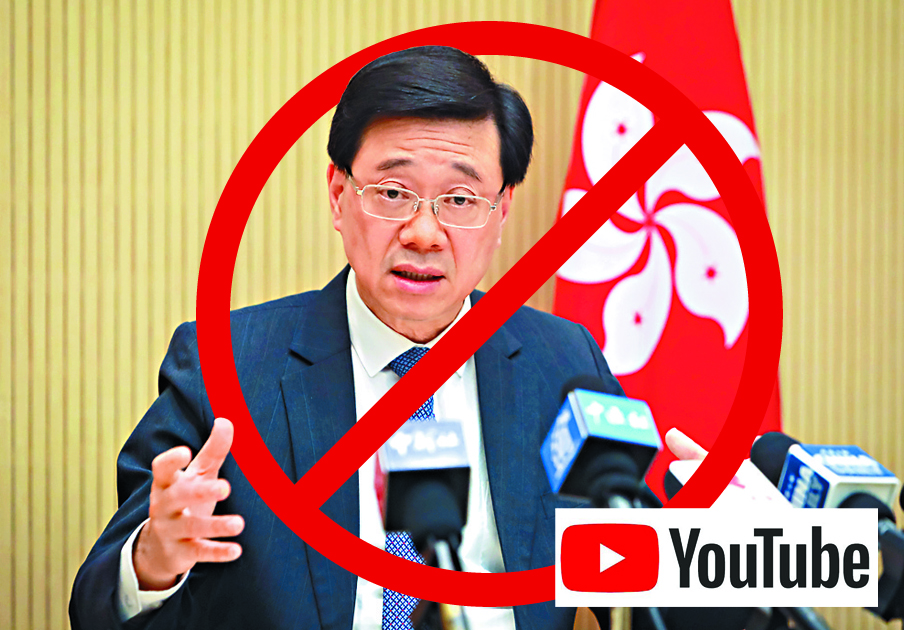
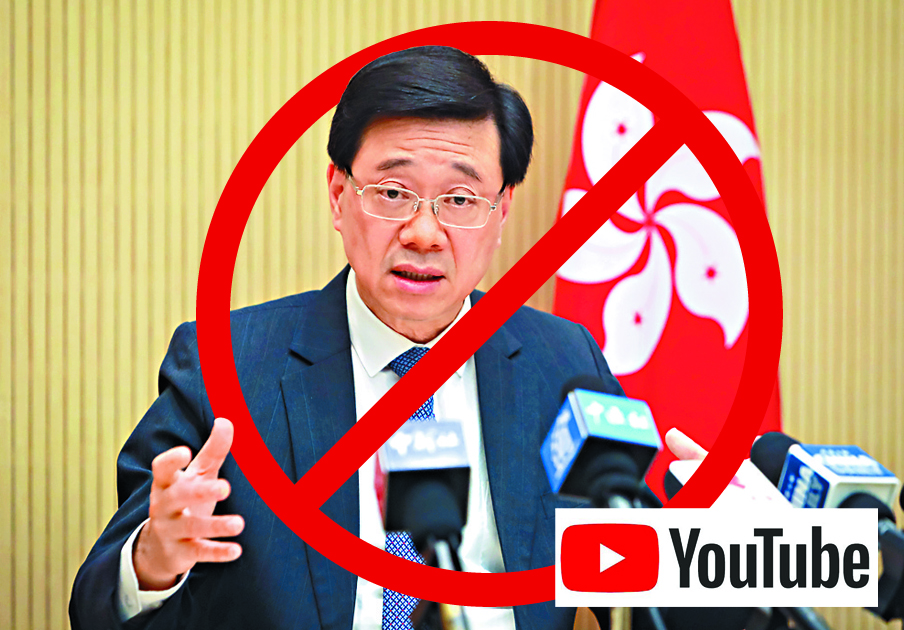
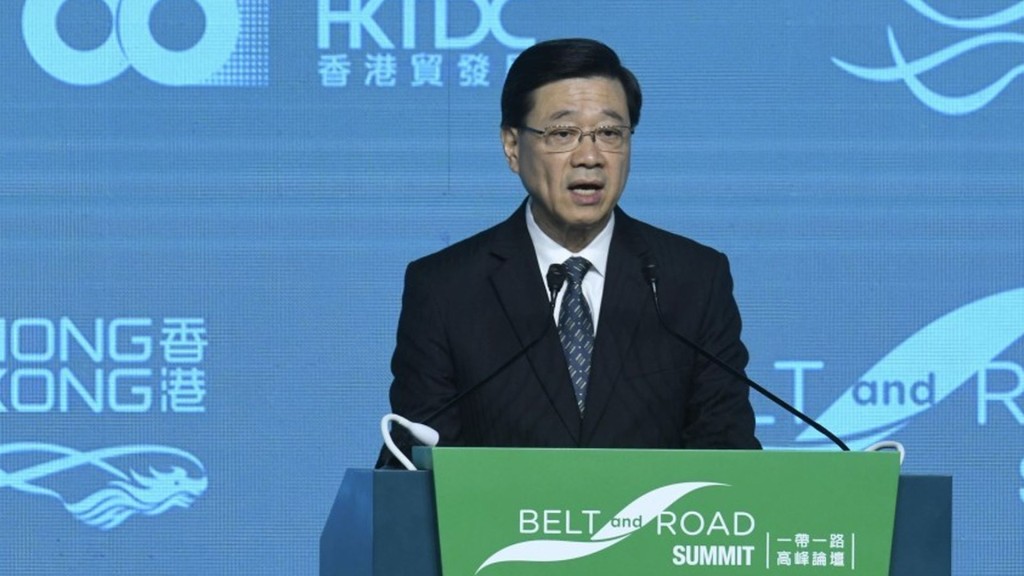
Chief executive-in-waiting John Lee Ka-chiu has been on the US sanctions list since 2020 - a fact the public would have forgotten if his YouTube channel had not been taken offline.
Lee is among more than a dozen local and mainland officials being sanctioned by Washington. Others include Lee's current boss Carrie Lam Cheng Yuet-ngor and his campaign office director Tam Yiu-chung.
Most people have forgotten about the sanctions because the curbs are either nominal or insignificant in effect.
It may be true that Lee and others cannot enter the US or use the services provided by some banks or credit cards issued by certain financial institutions but, in practice, their normal life is largely unaffected.
The decision to take the incoming chief executive's channel offline was made by the platform's owner, Google.
In contrast to other American social media platforms, including Facebook, Instagram and Twitter, Google appears to have been more proactive all along in responding to requests from the US administration.
For example, Facebook - which also owns Instagram - was categorical yesterday that it would not follow suit. Mark Zuckerberg is more conscious than Sundar Pichai, Google's chief executive officer, of the market that China offers.
Nevertheless, the move may still surprise some Beijing critics.
It has been known for a while that the YouTube operation in Hong Kong regularly "yellow flags" videos uploaded by commentators who are known for criticizing Beijing, among other content. Once a video is labeled yellow, ads are removed from it and the channel host cannot share revenues generated.
The decision to remove Lee's YouTube channel was most likely made by senior executives at headquarters rather than their representatives in the East.
It is clearly a political decision given that sanctions are political in nature.
Tam, who is also a target of the sanctions, hit back saying that, if the US administration accused Russian President Vladimir Putin of meddling in US elections, it would be doing likewise to Hong Kong's chief executive elections via YouTube's compliance.
Tam was speaking the truth when he said the loss of one YouTube channel will not stop Lee and his team spreading messages to the masses.
Yesterday, Lee was still able to appear on YouTube channels run by others. For example, a video of Lee declaring his candidacy could be viewed on Bloomberg Quicktake: Now. A so-called exclusive interview with Lee on his confidence in rebuilding trust between community and police was available on "dotdotnews."
A search for Lee also returned loads of YouTube videos about him.
If Lee's Facebook page has been spared by Zuckerberg, will Twitter also depart from the US administration to keep Lee online?
Even if it followed the example of Google, it would have little effect on Lee or other individuals, let alone Beijing's policy towards Hong Kong.
It is questionable if the SAR would act against Google in revenge in the absence of anti-sanctions legislation retaliating against companies complying with US sanction orders.
Will Beijing revive the plan after shelving it half-way in the legislative process?
The YouTube incident has helped to bring up an issue people have almost forgotten about.