Read More
The massive slump in oil prices is unprecedented but there's at least one thing standing tall in the SAR - petrol prices at filling stations.With the current unparalleled oil crisis, the outstanding question is the same old familiar one: will oil companies cut prices accordingly?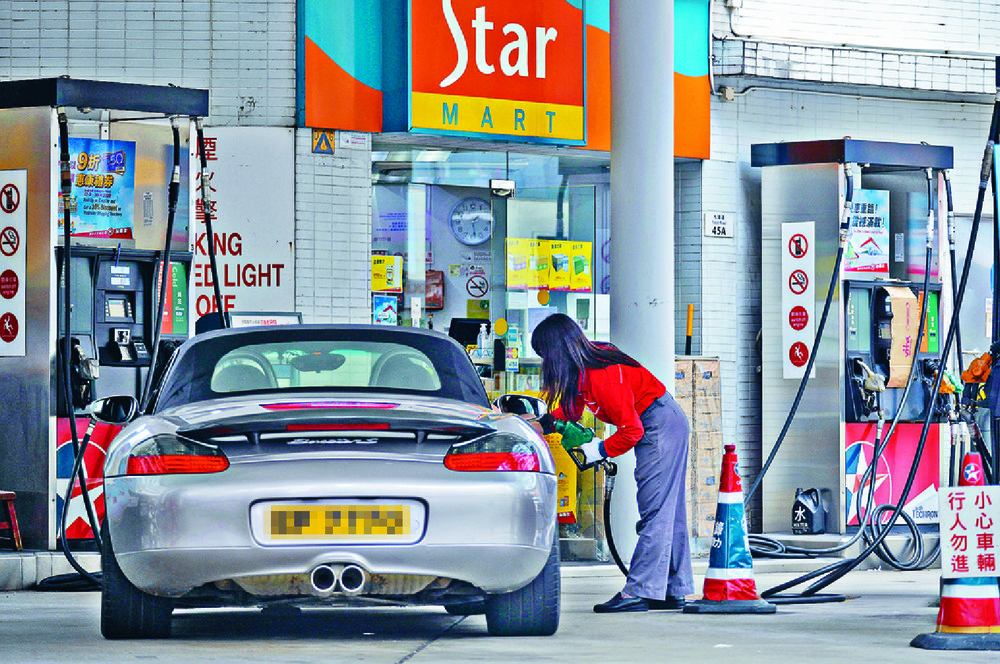
The extraordinary strength of the local oil market in resisting correction is beyond belief - so notorious that even the government has been powerless to fix it.
ADVERTISEMENT
SCROLL TO CONTINUE WITH CONTENT
Not yet - because we still have to dig deep into our wallets to fill up the tank with the world's most expensive petrol.
What could be more absurd as oil becomes an investment nobody wants, with investors theoretically having to pay purchasers to take off their oil contracts and when trading in oil-linked financial products quickly becoming a killing field?
Environment Secretary Wong Kam-sing has reluctantly agreed to attend a Legislative Council panel meeting next week. It's more than certain that he will face a barrage from both opposition and pro-establishment lawmakers.
Don't be surprised if Wong sings the same old song that's been heard again and again over the years. But he should know that consumers are tired of the monotonous melody forced upon them.He had better compose something new for the meeting, bearing in mind that Chief Executive Carrie Lam Cheng Yuet-ngor said just a day or so ago that she has now assembled a forward-looking team after sacking a few of Wong's cabinet peers.
Wong may pull along Competition Commission chief Anna Wu Hung-yuk if he doesn't want to face the lawmakers alone.No matter what, he has to be aware that - when even Bank of China had to suspend new trading positions on its crude oil futures products amid the scariest oil crash of all time - the status quo is totally unacceptable.
Figures cited by GlobalPetrolPrices.com show Hong Kong was selling the world's most expensive petrol as of the middle of this month, with an average of US$2.16 (HK$16.74) per liter versus US$1.40 per liter in Singapore and Britain and US$0.59 in the United States.While it's understandable that a substantial portion of the price is paid to the government as tax due to the city's sky-high land premium, it's still not convincing that oil companies cannot do more to lower prices to truly reflect the unprecedented oil crisis.
A long-standing issue with the price consumers pay in Hong Kong is the opaque price structure here.Although it's appreciated that oil companies may need to keep some commercially sensitive information to themselves, the price structure is excessively shielded from consumers, which is grossly unfair.
Hong Kong imports its oil from refinery facilities in Singapore. The issue is: while refining costs, fuel tax and land charges may be stable, the cost of crude oil fluctuates.So, how much does the crude account for the HK$16-plus per liter paid at filling stations?
Assuming that it's about half the amount, oil companies should have shed a few more dollars from their listed prices. The saga boils down to an absence of effective market competition.