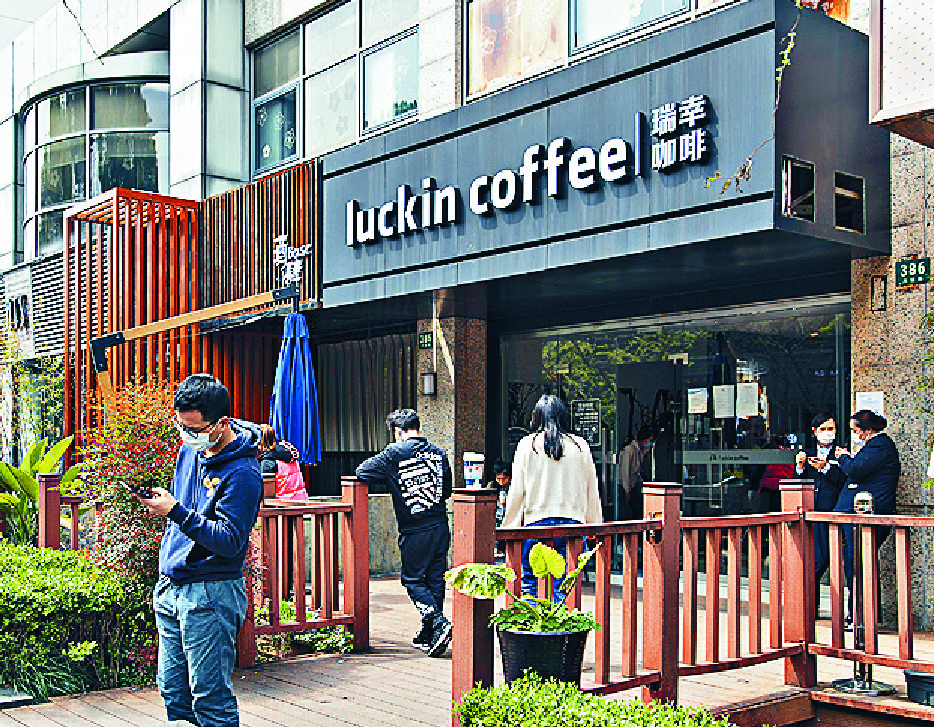
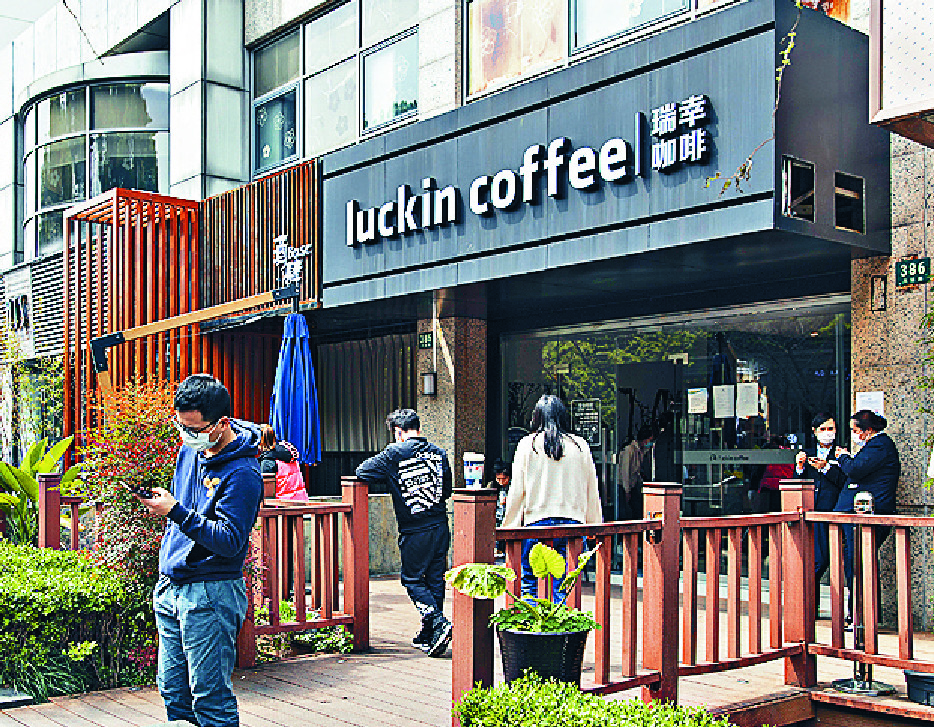
The blatant fraud by Chinese beverage chain Luckin Coffee is bound to have a profound impact on the anticipated homecoming of mainland companies currently listed in the US.
The Luckin incident has cast a long shadow over Chinese companies. As the Sino-US trade war enters the second phase, how far should investors trust these companies' balance sheets when they apply for second listing in the SAR?
The Hong Kong Stock Exchange and the Securities and Futures Commission must exercise the greatest scrutiny before giving the green light to the applicants.
The incident also cast a bad light on the listing mechanism in Wall Street, where it has not been uncommon to see systemic fraud involving not only Chinese but also American companies such as Enron in 2001.
Wall Street must also tighten vetting of listing applications.
Nonetheless, while class action is a common means in the US for investors to protect their interests, that is not the case in Hong Kong. Policymakers must bear in mind that local investors rely on the integrity of the industry and the regulator for protection.
Luckin Coffee was hailed with national pride when the startup company, with less than 10 stores in 2017, landed at the speed of light on Nasdaq within 18 months, fast becoming known as the "Starbucks of China."
Its achievement seemed miraculous but it was, in fact, nothing but a piece of trickery aimed at fooling the audience. The magic wasn't real.
Luckin's rapid rise was only possible through offers of big discounts to customers. For example, for every cup purchased, customers were reportedly given vouchers for three free cups - a de-facto money-incinerating business model.
Hence, according to published reports, revenues were booked four times for every cup sold. To bridge the accounting gap, operating expenditures were enlarged to match the book. The magic was that the coffee chain still appeared to maintain strong revenue growth.
Luckin would have been able to keep playing the trick if Muddy Waters Research had not released an investigative report on the company.
Chairman and co-founder Lu Zhengyao was quick to blame his chief operating officer and some employees for the fraud and pledged a full investigation. But it is only incredible that the chief operating officer could have created a bubble of 2.2 billion yuan (HK$2.4 billion) on his own.
After its listing, the company's share price rose to a high of more than US$51 (HK$395) in January before crashing in a free fall to US$5.38 last weekend.
Those smart enough to jump ship at the prime time and hedgers short selling the company have already pocketed huge profits. There must be a criminal investigation into this glaring fraud.
Curiously, there's an ironic side to the incident.
Mainlanders continue to rally around the company of which they are so proud. An online survey by Sina Tech shows that over half of 80,000 respondents accepted Luckin's apology and would continue to view the company as a national champion as long as it corrected its mistakes.
As some fans wrote, it has reaped rewards for Americans, not Chinese.
How pathetic.