Most of us use the MTR and its escalators every day, but we may not be aware that quite a large proportion of incidents arise from the improper use of escalators.
In Hong Kong, over 95 percent of escalator incidents are caused by improper use.
In MTR stations, over half of such incidents are caused by a loss of balance, large pieces of luggage or passengers, especially the elderly, being knocked over by people walking on escalators.
Common problems include carrying heavy goods, catching footwear or other materials on the escalator and tripping while walking up or down when it is on the move.
MTR Corp perennially encourages passengers to err on the side of caution and safety, which can be seen in warning notices it posts near escalators.
The most frequent misuse remains that of people walking on a moving escalator.
In an apparent attempt to improve throughput during rush hours, there used to be a "left moving, right standing" policy rule for MTR escalator users.
However, that saw people in a rush race up and down, sometimes pushing the unwary and resulting in trips, falls and injuries.
From 2006, the subway operator has rightly been reminding all passengers not to walk on moving escalators.
With everyone following the rule of standing on both sides of escalators, it will not only increase throughput during rush hours but also significantly enhance safety.
This suggestion follows latest international practices, with cities in Japan already enacting legislation to forbid such behavior.
They also warn passengers to wear proper footwear and avoid touching side brushes or panels with their feet.
Escalators are designed with moving stair pieces driven by a chain conveyor.
To allow smooth movement, a small gap invariably exists between them and the fixed sidewall.
Loose slippers and other footwear can sometimes get caught in these moving gaps.
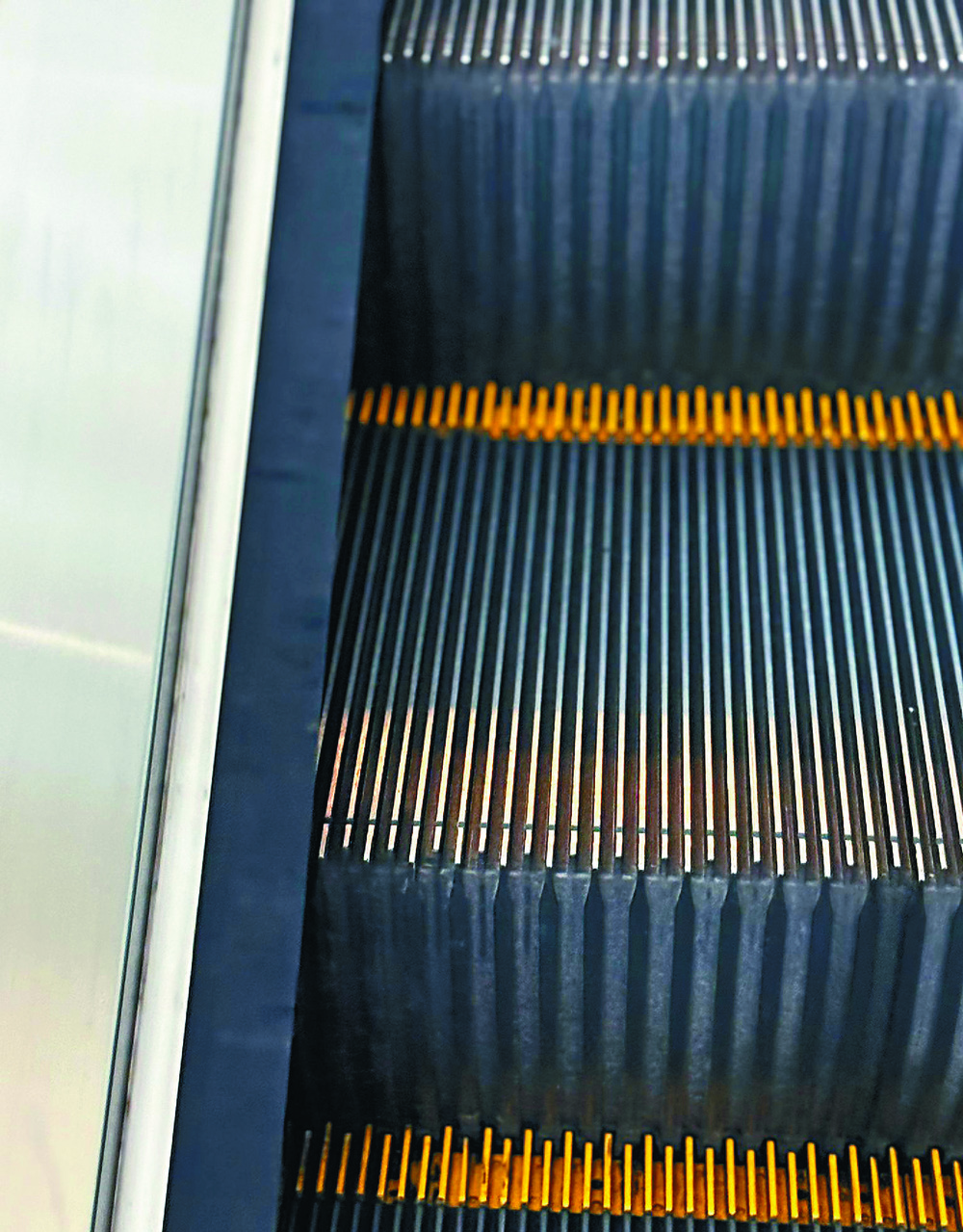
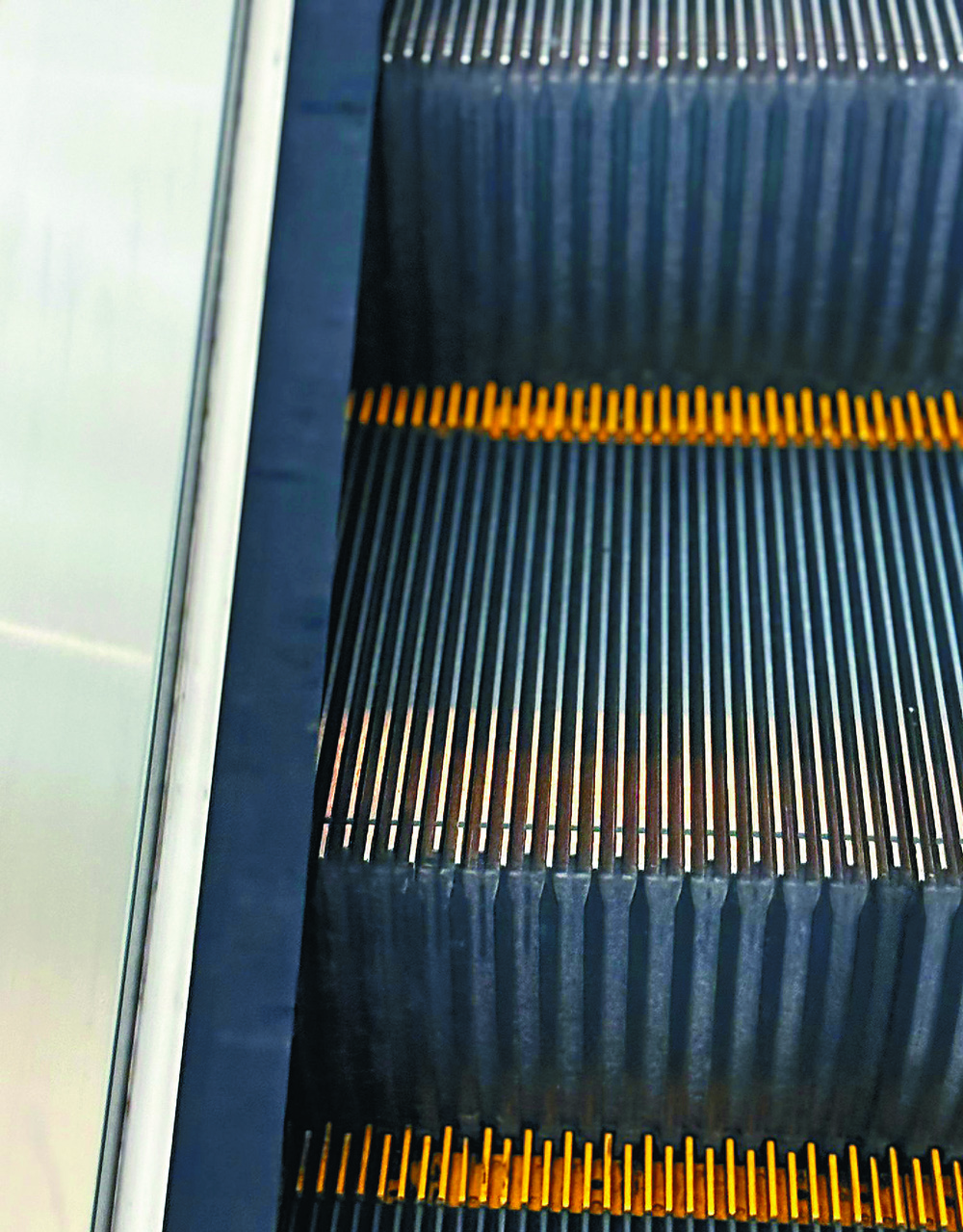
A brush system is installed to cover this gap and to discourage people from placing feet near the edges, but carelessness and curiosity may see some do so against and beneath the brushes, causing the moving stair pieces to jam against the side walls, rolling the loose footwear into the gap and tripping the foolhardy.
Other causes of jams include dropping metal objects that get caught in the stairs' combs.
Railway system escalators are designed for heavy-duty use and can carry two persons per step, but walking, running and heavy luggage pieces sharply increase stresses and cause premature wear and tear, resulting in breakdowns and more frequent maintenance.
Another undesirable practice is the carrying of large backpacks on trains.
Backpacks free up one's hands, especially for phones but, in congested trains, reduce carrying capacity as a person hefting one and using the phone occupies three times the space of an ordinary passenger.
Even worse is when passengers with bulky backpacks move around on a train.
I have seen an incident where someone swung around on a train with a badminton racquet in his backpack and its handle slapped another passenger in the face.
Protruding objects or buckles on the backpacks of people moving about in confined spaces often catch on other commuters' clothes.
I often need to push up against backpack-toting fellow commuters on trains to avoid potential damage to my suit and tie, though my defensive action draws unwelcome stares.
In many other major cities, people are encouraged to carry backpacks in front so any sweeping movement in tight quarters can be seen and therefore controlled to minimize disturbances to others.
This practice should be followed out of courtesy and for the safety to others.
We enjoy a high standard of safety in our efficient public transport system, thanks to effective design and planning all the way from system to component level.
Our efficiency and safety standards lead the world. We should be proud of that but must work hard to keep up those standards for our own benefit and wellbeing.
Veteran engineer Edmund Leung Kwong-ho casts an expert eye over
features of modern life
The brush system that the MTR installed on its escalators is designed to keep feet away from the sides.