Read More


Night Recap - September 20, 2026
5 hours ago


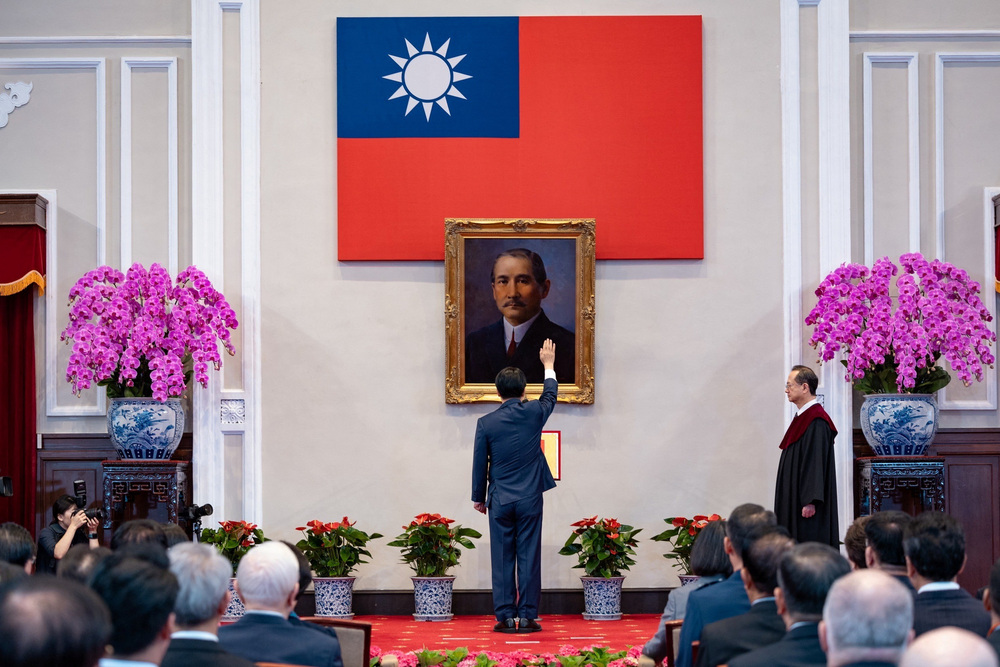
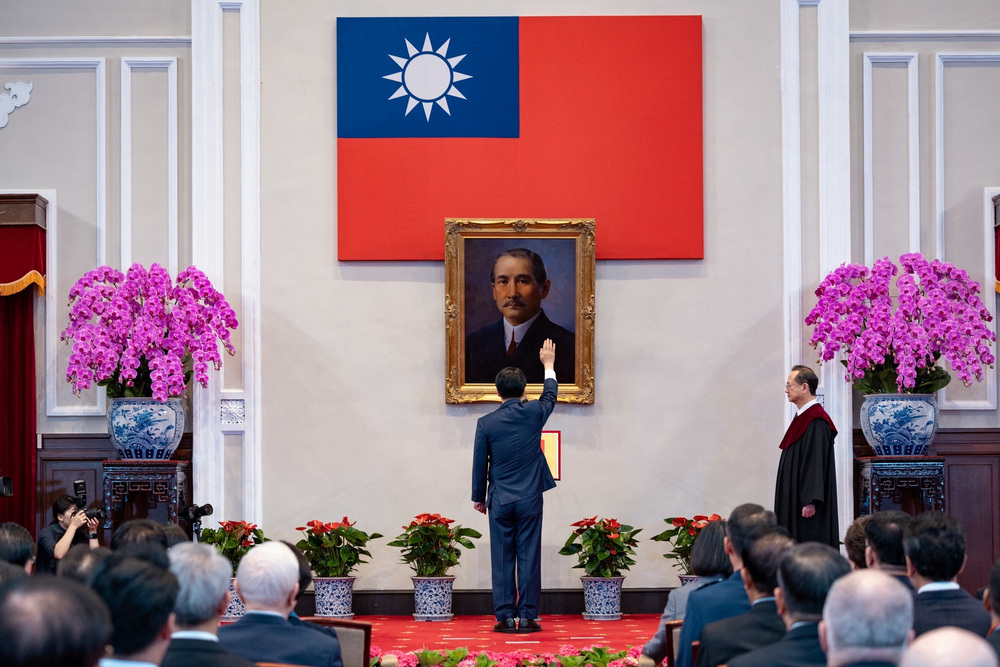
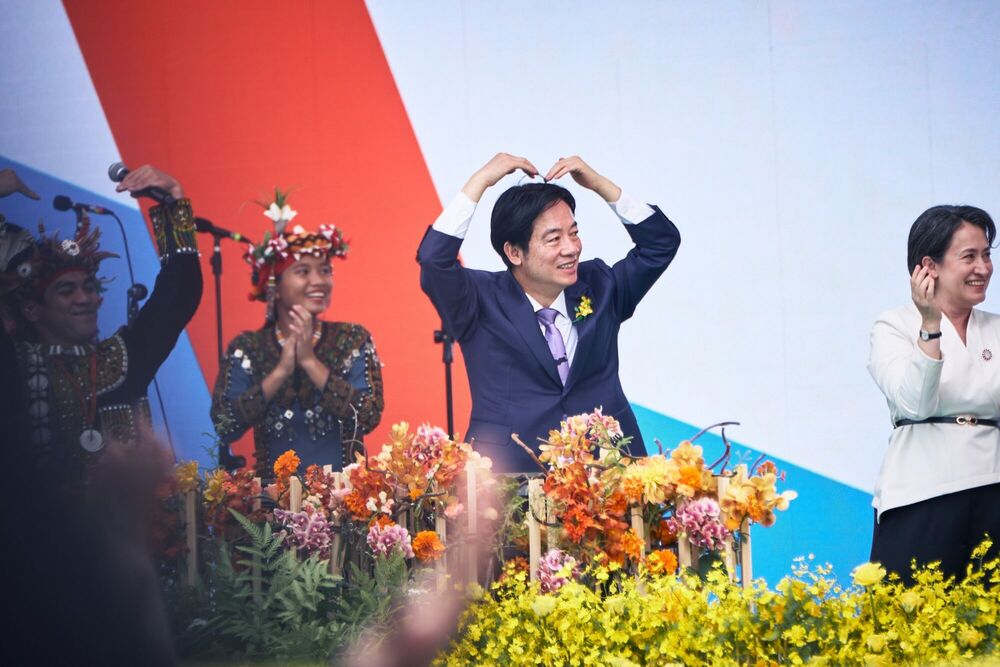
New Taiwan President Lai Ching-te yesterday vowed to defend the island's democracy as he called on China to end its military intimidation of the island.
Beijing, which has in the past branded Lai a "dangerous separatist," responded hours later, saying his speech had sent a "dangerous signal."
Lai, 64, said a "glorious era of Taiwan's democracy has arrived" and thanked citizens for "refusing to be swayed by external forces" and for "defending democracy."
He added: "In face of the many threats and attempts of infiltration from China, we must demonstrate our resolution to defend [Taiwan] and we must also raise our defense awareness and strengthen our legal framework for national security."
Having previously described himself as a "pragmatic worker for Taiwan independence," Lai has moderated his rhetoric on the issue in recent years.
Yesterday he said his government would "neither yield nor provoke, and maintain the status quo" - a balance that preserves Taiwan's sovereignty while not declaring formal independence.
"I also want to call on China to cease their political and military intimidation against Taiwan."
Lai said he hoped China would "choose dialogue over confrontation" and called for Beijing to restart tourism and allow Chinese students to study in Taiwan.
Hours after his speech, Beijing's foreign minister Wang Yi said "China's unification is irreversible." He added: "The secessionist behavior of 'Taiwan independence' [forces] constitutes the most serious challenge to the international order, the most dangerous change to the status quo in the Taiwan Strait."
Beijing's Taiwan Affairs Office said Lai's speech sent a "dangerous signal."
Domestically, Lai faces another challenge after his DPP lost its majority in the legislature in the January elections, meaning it will be hard for him to push through his policies.
Many Taiwanese are less worried about the threat of conflict than they are about soaring housing prices, rising costs of living, and stagnated wages.