Read More



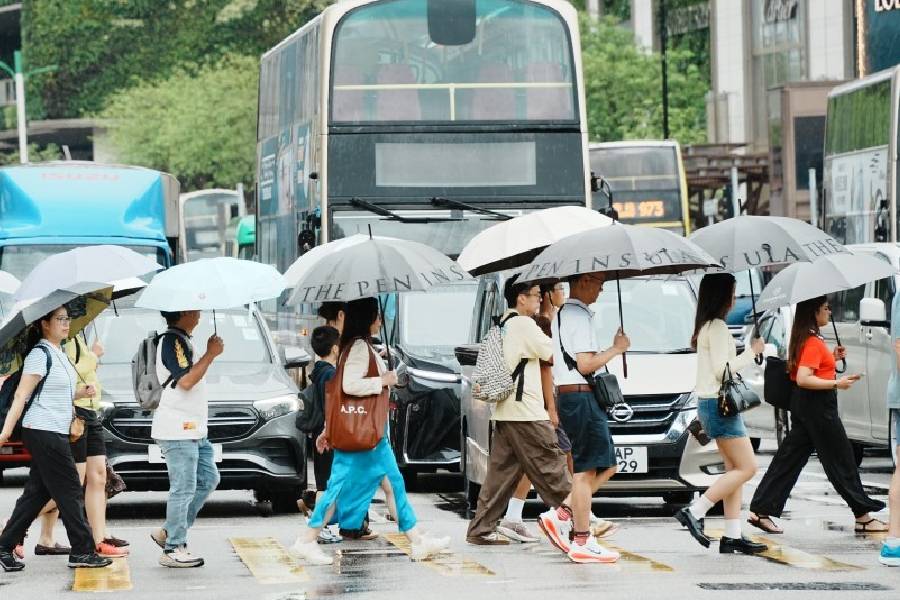
Amber rainstorm warning issued at 11am
9 hours ago




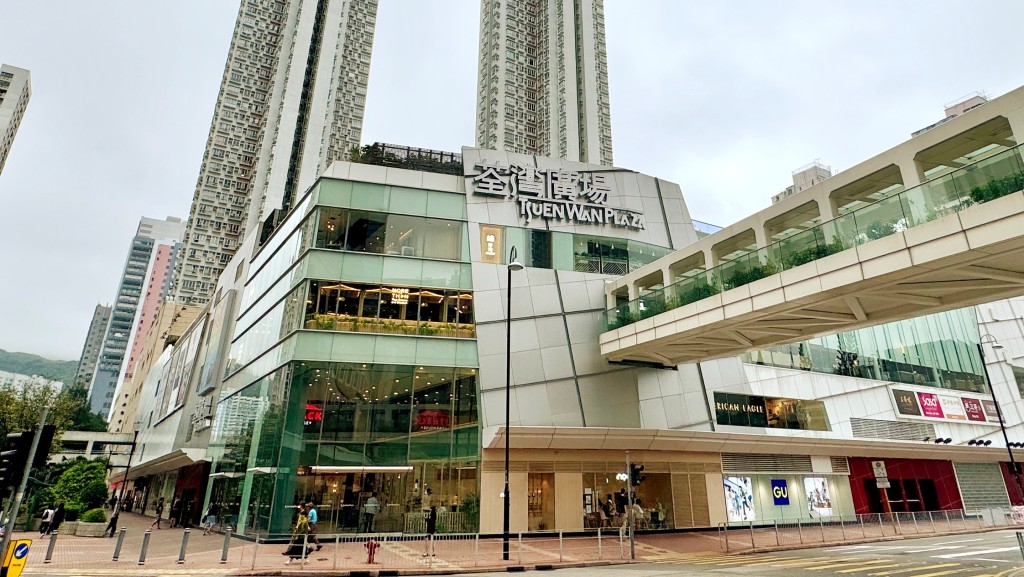
Man steals $22,000 Chanel handbag from Tsuen Wan Plaza shop
03-04-2026 20:43 HKT


Iran demands transit fees in yuan, stablecoins for Strait of Hormuz passage
03-04-2026 02:45 HKT
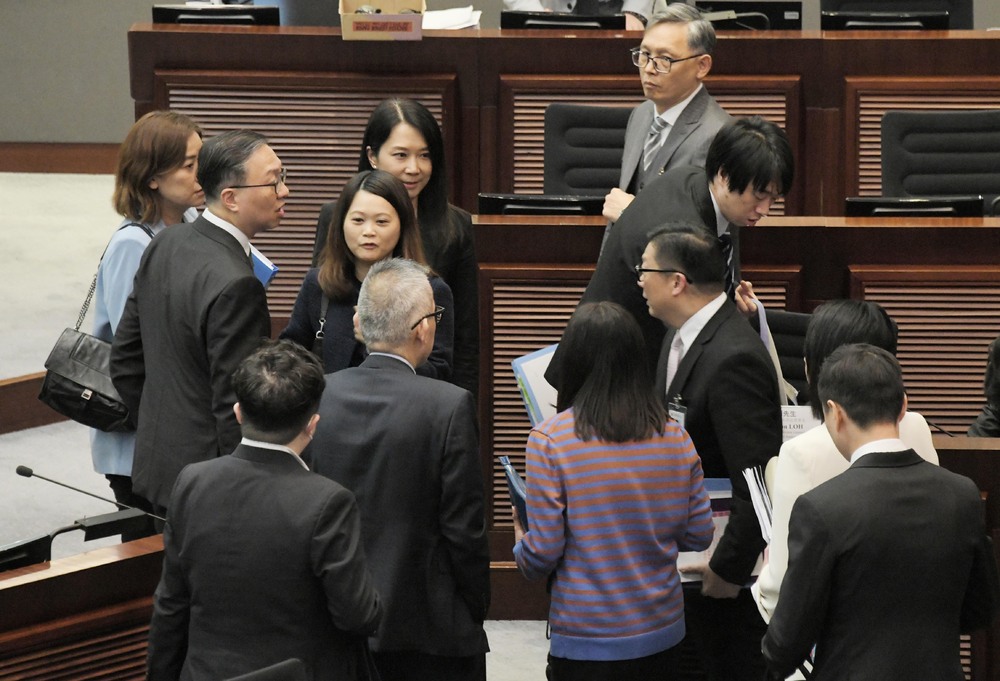
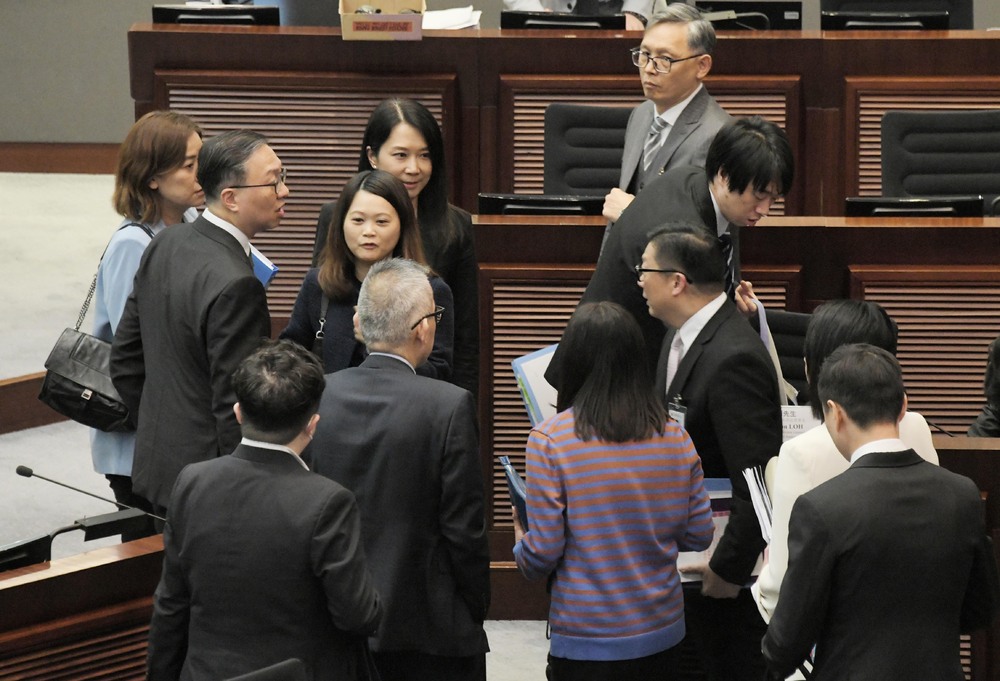
The administration has no intention to ban any social media platforms after the enactment of Basic Law Article 23, Secretary for Justice Paul Lam Ting-kwok says, as a summary of opinions collected during a consultation period last month is made public.
This came after Bloomberg published a news article under the heading "HK says Telegram and Signal should be prohibited in Article 23 proposal," while adding that the "public consultation listed Facebook and YouTube ban."
The reports are based on the summary of opinions delivered to a joint panel for the Basic Law Article 23 legislation, signifying that some people proposed to ban Facebook, YouTube, instant messaging apps Telegram and Signal as they have become a "hotbed of crime."
Some suggested that the national security law violators should be kicked out of their public rental housing flats.
The Bloomberg report drew fire from the administration and lawmakers.
"The legislation is not taking aim at social media platforms per se, but those using, abusing and misusing these platforms to spread speeches endangering national security," Lam said.
"Hong Kong relies on the free flow of information. Despite our effort to safeguard national security, these advantages should be upheld."
Hong Kong Island West lawmaker Regina Ip Lau Suk-yee, who is also Executive Council convener, and New Territories North West lawmaker Holden Chow Ho-ding, of the Democratic Alliance for the Betterment and Progress of Hong Kong, lashed out on Bloomberg for "spreading fake news."
Secretary for Security Chris Tang Ping-keung said: "I hope Bloomberg can correct their fake news to prevent their credibility from being affected."
In a statement, the administration said it "strongly disapproves and condemns the false reports by Bloomberg.
"The one-sided report handpicked three entries of submissions received among all others and completed it with a biased headline, attempting to mislead the international community and Hong Kong citizens."
Lam also said the administration is considering allowing public interest as a defense against "theft of state secrets" after the law is enacted.
"To avoid the abuse of the exemption clause, it will be written very clearly, while the defendant will be bearing the burden of proof, which means they have to provide the reason for committing the crime despite knowing it is against the law," Lam said.
Federation of Trade Unions president Stanley Ng Chau-pei disagreed and said the exemption clause is a "logical fallacy," as national security should be "the biggest public interest."
There will be exceptional situations where disclosing national secrets will spark different levels of security risk, Lam said, adding it will have to be determined individually.
The administration is considering imposing a higher penalty for offenders who collude with external forces, stipulating measures that can prevent acts of abscondment and procuring the return of absconded persons to Hong Kong to face judicial proceedings.
"If everyone proactively cooperates, I think the legislation can be done in a few weeks, which is early to mid next month," Lam said.
In Beijing, Vice Premier Ding Xuexiang urged Hong Kong to enact Article 23 soon, saying that it is "a common aspiration of the people."
michael.shum@singtaonewscorp.com