Read More

Night Recap - July 17, 2026
4 hours ago

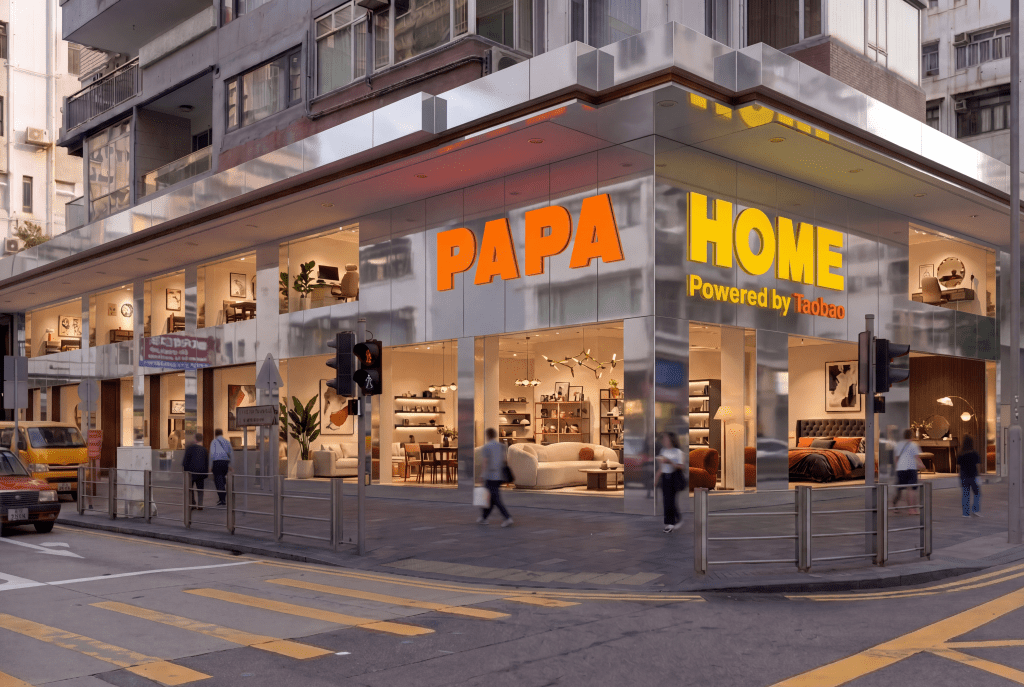
Taobao-backed PapaHome to launch massive lifestyle flagship in Causeway Bay
16-07-2026 19:12 HKT
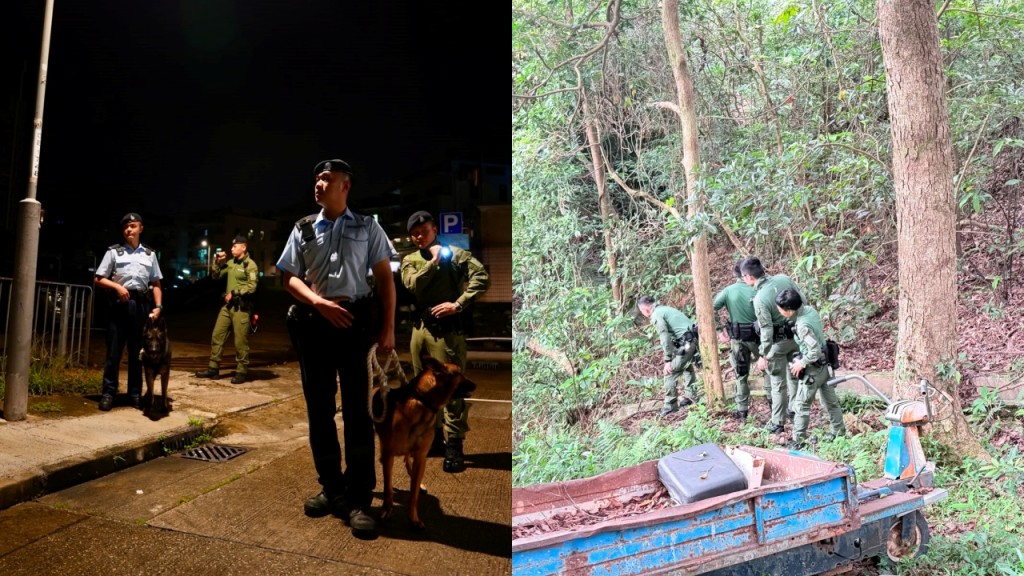
Police launch anti-burglary operation in Tseung Kwan O and Sai Kung
16-07-2026 03:17 HKT
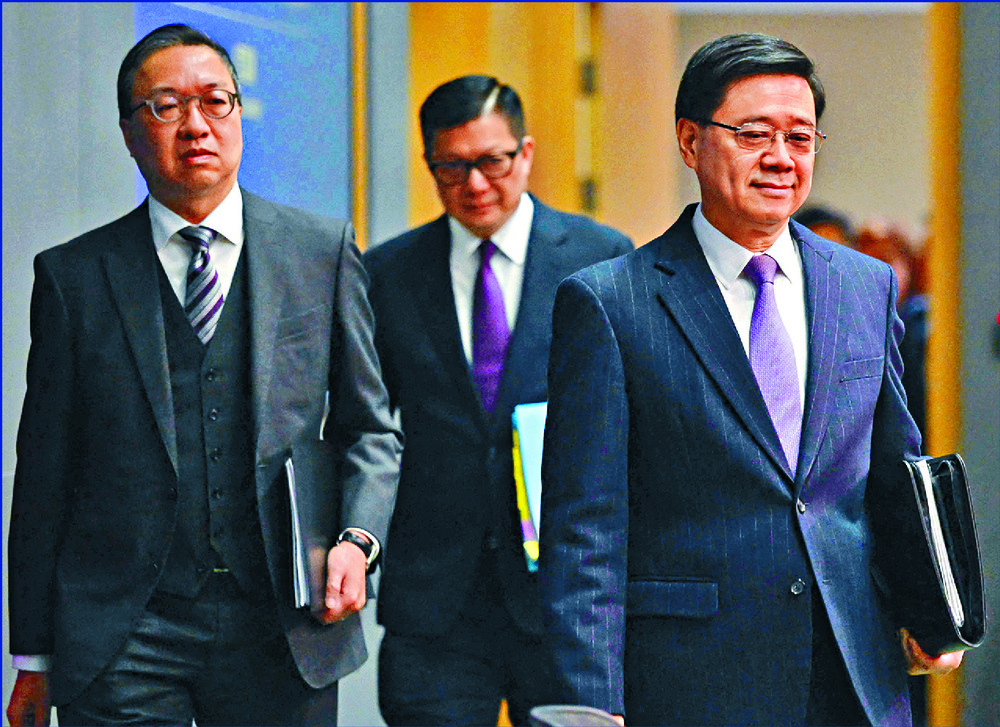
Hongkongers arrested after the enactment of Basic Law Article 23 will not be taken to the mainland but will stand trial in the SAR, Chief Executive John Lee Ka-chiu said as he unveiled a consultation paper on the new law and a 30-day public consultation.
Unlike the failed attempt to enact Article 23 in 2003, the consultation will last for only 30 days until February 28.
Kick-starting the second attempt to enact the law, Lee insisted the legislation does not have any provision to send Hongkongers to stand trial in the mainland.
"The legislation that we are proposing will not involve people arrested in Hong Kong to be transported back to the mainland," Lee said. "We have made this point very clearly. The current legislation deals with activities happening within Hong Kong, and offenders will stand trial in Hong Kong. These are all in accordance with Hong Kong laws."After the announcement of the start of the consultation period, the Hang Seng Index plunged 402 points, but Lee brushed off claims the enactment would have a negative impact on the local economy.
"The fluctuation in the stock market can be affected by various factors, but without a safe and stable environment no matter what the 'positive factors' are they are all fake," Lee said. "They are just castles in the air."For example, you will not invest in places currently involved in war."
On whether authorities will give a green light to a mass protests opposing the enactment, Lee said Hongkongers will continue enjoying the rights and freedoms enshrined by the Basic Law after the law is enacted."We will respect and safeguard the freedoms and rights lawfully enjoyed by the people of Hong Kong and by the organizations in Hong Kong. These standards are international standards, which are covered in the Basic Law," Lee said.
The Basic Law, the national security law, the International Covenant on Civil and Political Rights as well as the International Covenant on Economic, Social and Cultural Rights already state the standards of Hongkongers' rights and freedoms, he added."Cases that are trialed in a Hong Kong court have to ensure these standards have been met," Lee added.
While facing scrutiny by Hongkongers and people overseas, Lee said: "We are confident, we are proud, and we stand high because the principles we adopt conform with international standards, and we are doing it in exactly the same way other countries are doing."He also said the administration is open to views as well as any kind of information and opinions during the consultation process.
"Our whole consultation process will be open," Lee said."We will be conducting different sessions to explain our proposal, and we welcome views, whether those views are related to points we make in the consultation document or beyond.
"Our aim is to be able to compile an effective law so as to ensure that we can protect our national security comprehensively, including the threats we think we are facing now and also potential threats that we may face in the future."Lee said Hong Kong cannot afford to wait any longer before enacting the law as "the threats to national security are real," adding that the legislation aims to protect the city from bad-mouthing and political attacks from the West.
"That is exactly why I want the government to be up and in full gear to explain what we are doing here, loud and clear, confidently and rightly, to tell the world we are just protecting ourselves from your attacks. Don't attack us," Lee said."I think eventually when people see this law will bring security and stability they will love it."
Zheng Yanxiong, director of the Central Government's Liaison Office in Hong Kong, said at his office's Lunar New Year reception that the enactment of Article 23 reflected the unity and solidarity of the nation."Development and security are the two wheels of a chariot and the two wings of a bird," he said.
"They can only work together. Citizens will only work well when they live well. Hong Kong will only prosper once it is safe," Zheng said.michael.shum@singtaonewscorp.com