Read More







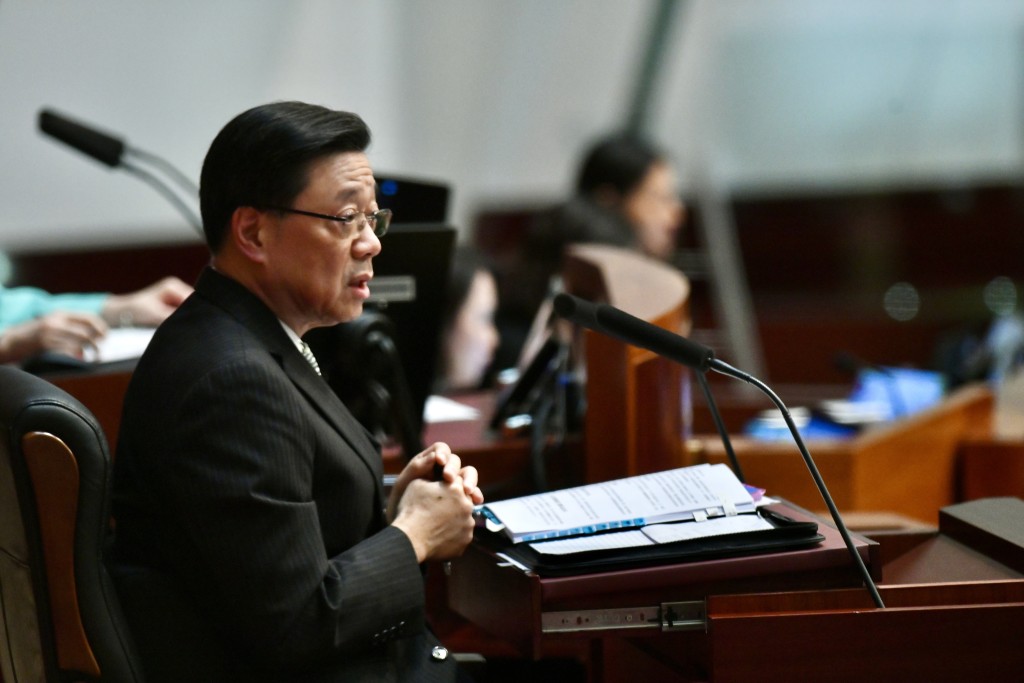

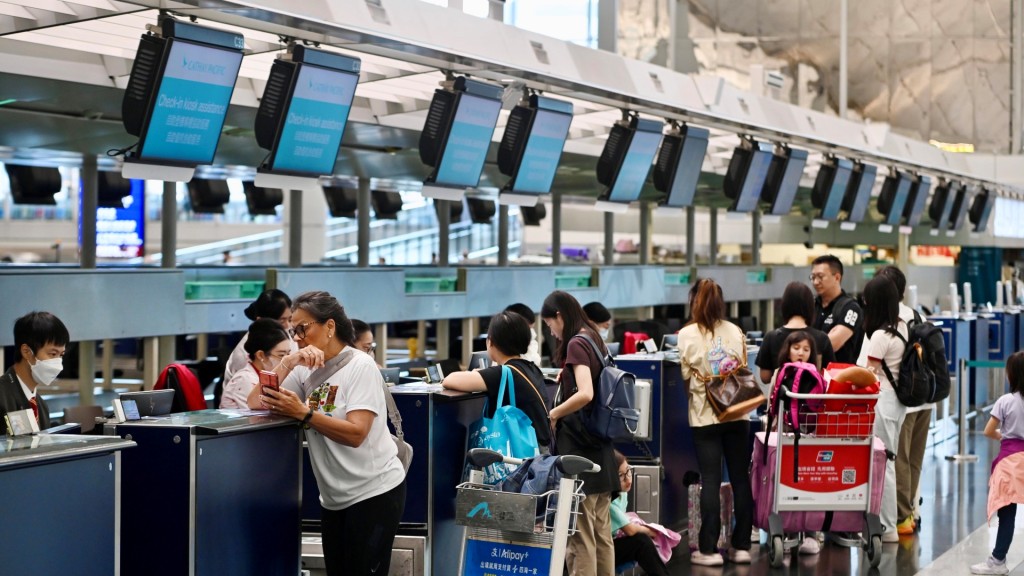


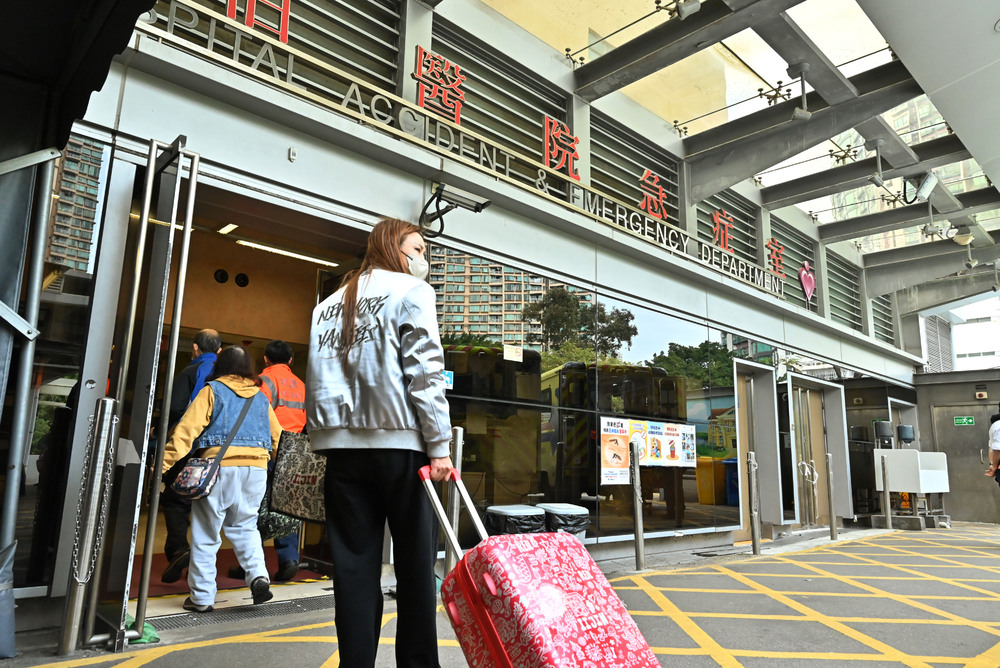
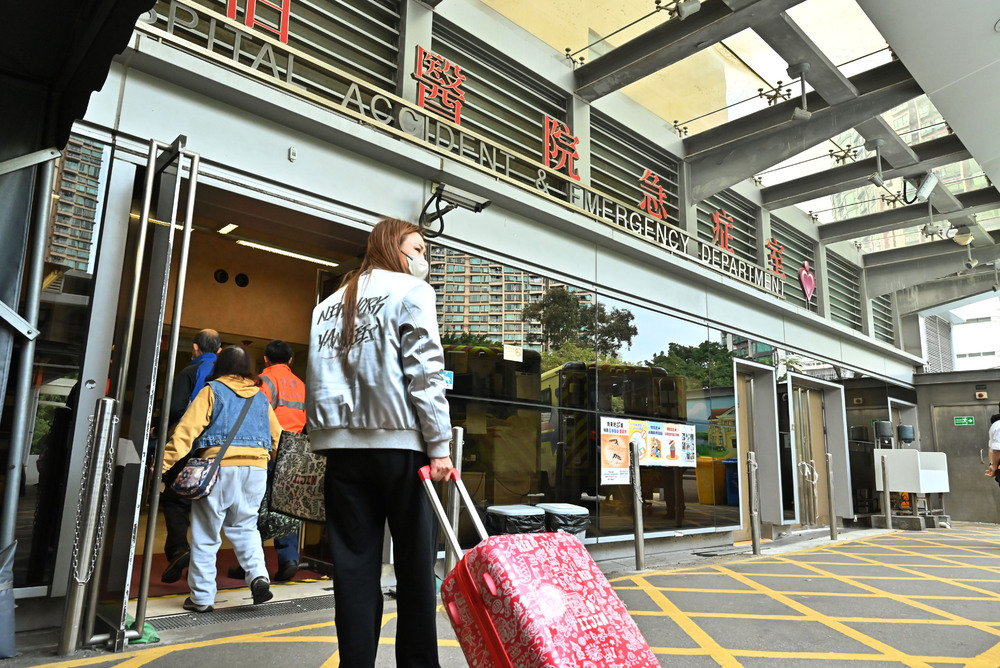
Emigrants are returning to Hong Kong for cheaper medical services, public hospital officials told legislators in urging the administration to be aware of the situation and counter abuses.
It is understood such people moved overseas years ago and no longer have connections in the SAR. But as officials did not strip them of permanent resident status they enjoy public medical services.
Frontline medical workers at public hospitals noticed the trend as they had to request records from overseas institutions, and many patients suffer from serious illnesses, including cancer. Patients include the elderly, those in their 40s or 50s, and retired civil servants.
It is understood politicians have discussed the trend, but no meetings or discussions have been held on the issue.
Medical and health services sector legislator David Lam Tzit-yuen welcomed emigrants using medical services - as long as they return to reside here.
He said the administration should think on how people with foreign nationalities and who lived overseas for a long time and only pay taxes to foreign governments should be treated compared to Hongkongers.
"No place would allow people who left for decades to continue to enjoy the same benefits," Lam said.
New People's Party legislator Judy Chan Ka-pui said services should benefit residents only, noting that those who left a long time ago did not receive consumption vouchers.
Chan said the administration should conduct an analysis to find out whether there is a gray area of abusing public medical resources.
But Election Committee sector legislator Rebecca Chan Hoi-yan said authorities have to be careful in determining whether a Hongkonger living overseas should be regarded as an emigrant as there is no restriction on multiple citizenship in the SAR.
"Should parents staying overseas for years to take care of their children studying abroad be seen as emigrants?" she asked.
The public health-care system now subsidizes 90 percent of medical costs for Hongkongers, she said, and officials should assess the administrative reasoning for charging those who have moved overseas.
"For example, the government could require patients to declare their place of residence and find out the proportion of emigrated patients before coming up with policies."
The private medical sector said the trend is not new, and some patients consult private doctors before transferring to public hospitals.
Samuel Kwok Po-yin, president of the Association of Private Medical Specialists of Hong Kong, said many patients who returned from Canada were aged over 50.
"Most hospitals in Canada are public and people didn't get a chance to visit private doctors there, so they returned to Hong Kong," he said. And many patients had cancer, and some would undergo medical examinations in Hong Kong.
Stephen Chan Lam, a Chinese University Department of Clinical Oncology professor, said private hospitals have been receiving more patients who emigrated.
"There are patients in their 30s or 40s as well as elderly patients," he said. "Some will queue for treatment at public hospitals after undergoing exams in the private sector."
Chan also said patients in Britain and Canada have to be referred to specialists by a general practitioner, and some cancer patients who do not want to wait for a long time tend to return to the SAR for treatment.
"Hong Kong leads the world in the treatment of nasopharyngeal cancer, liver cancer and bile duct cancer," he said. "Foreign doctors will also advise patients to return to Hong Kong for treatment."
Oncologist Li Yu-chung said apart from Hongkongers now living in the West some are in Thailand, Indonesia and the mainland, and they also return for treatment.
The Health Bureau said all HKID holders are eligible for public medical services even if they have been gone for years. And health authorities have a mechanism to review the charges at public hospitals, it said.