Read More
The financially strapped West Kowloon Cultural District Authority has been cutting costs like stemming "rivers of blood" as it awaits approval of development proposals, board chairman Henry Tang Ying-yen says.
ADVERTISEMENT
SCROLL TO CONTINUE WITH CONTENT
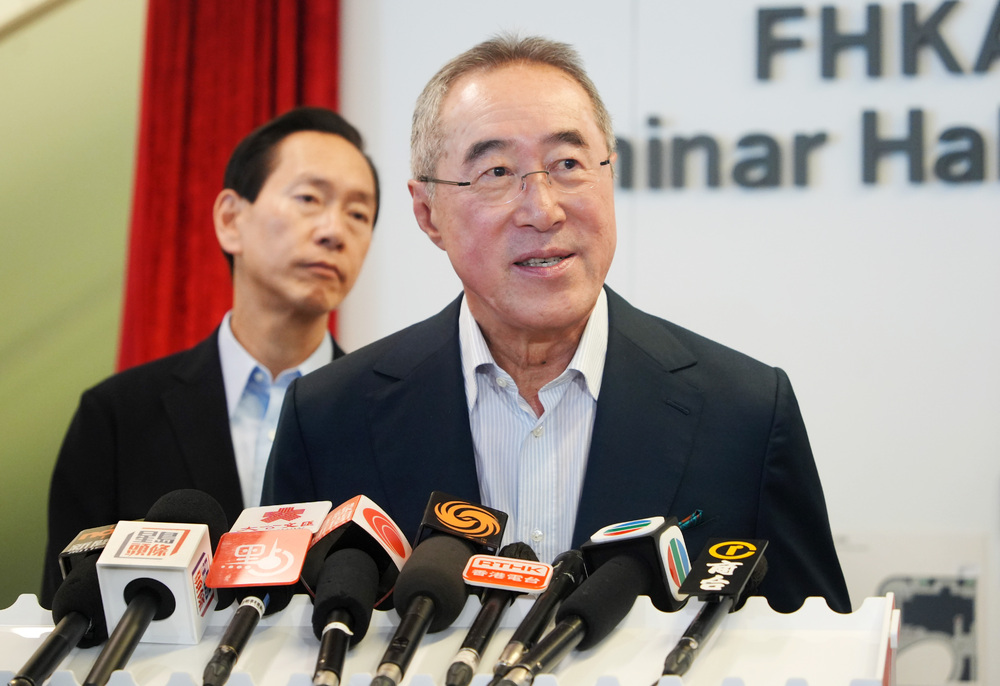
Tang said after a naming ceremony at the Xiqu Centre yesterday that proposals include short-, middle- and long-term solutions to help the cultural district achieve its goals of self-financed and sustainable development.
That follows it using HK$21.6 billion of government funding allocated in 2008.
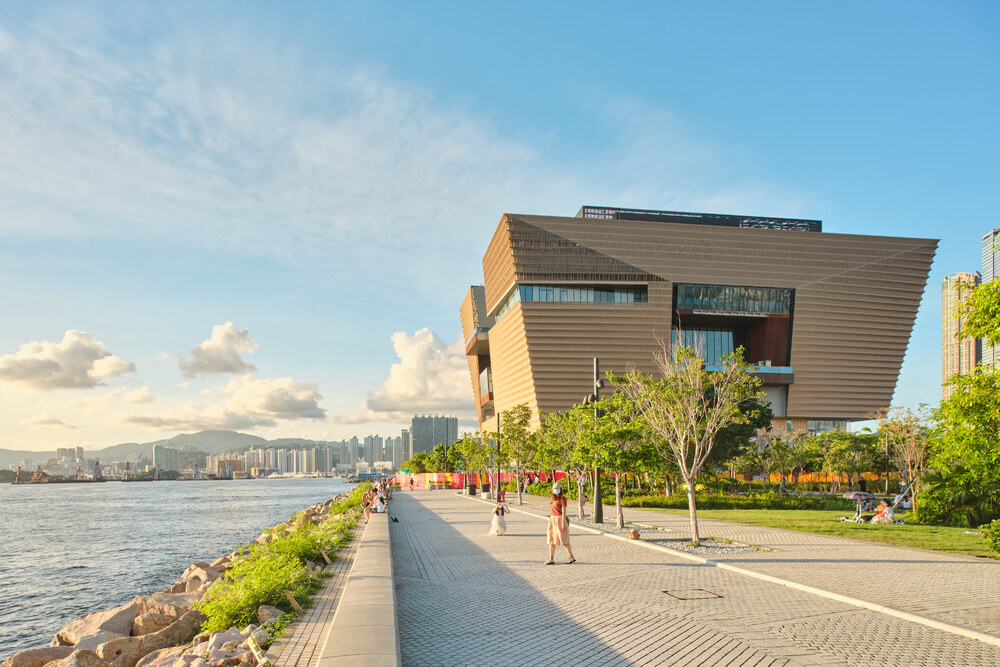
On cutting operation costs, Tang said it is expected that its available capital will all be spent by March 2025, and by then the Palace Museum and the M+ Museum will no longer be able to organize more exhibitions and events.
So there are proposals for land and property-related measures to help its finances, Tang said.
"We don't want to ask for government funding every year either, so at that time we plan to subsidize the operation of cultural and artistic facilities with hotel projects, residential developments and commercial space," he said.
"Land is our only resource. We must think out of the box to use the land to bring us enough capital for future operations. I personally don't prefer a 'piecemeal' approach but rather solving the problems completely."
Despite saying all cultural and performing arts facilities in the world require government backing he said the WKCDA will not seek more support from public funds, adding that its facilities have a cost-recovery rate of around 50 percent.
"We have decided not to ask for government funding any more as we don't want to compete for resources with the community," he said, noting more than HK$700 billion was spent during the three-year pandemic - about half of the city's fiscal reserves.
When asked about a timetable to disclose ideas to the public, Tang responded: "Since we have submitted proposals the onus is now on" the Culture, Sports and Tourism Bureau.
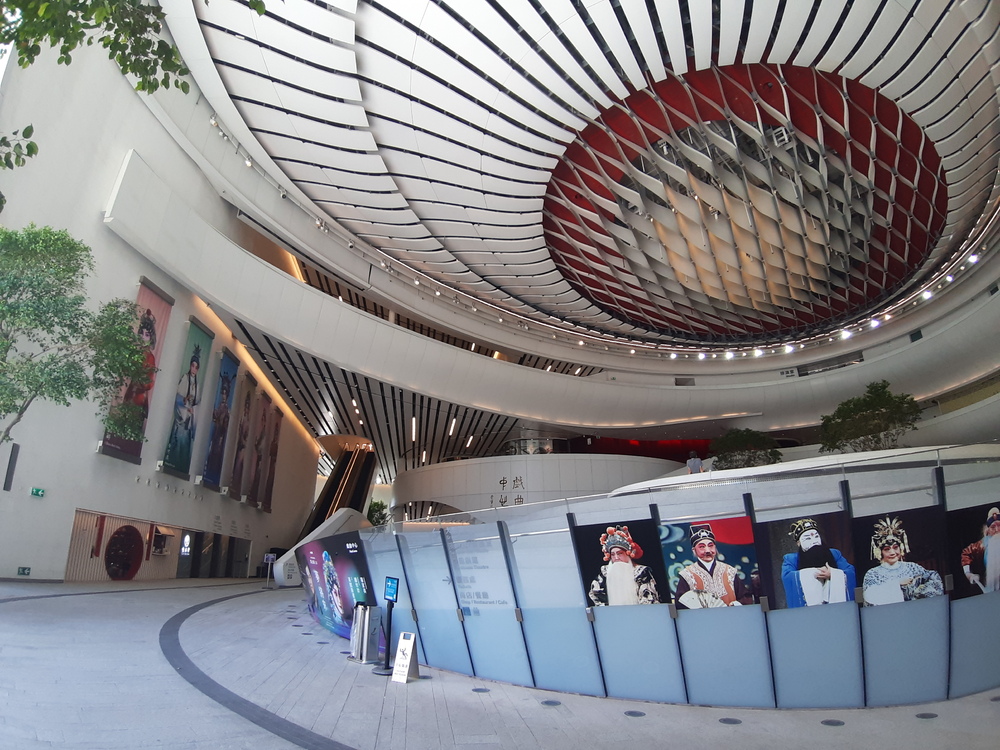
The Seminar Hall at the Xiqu Centre has been renamed the FHKA Seminar Hall for the Friends of Hong Kong Association.
Tang, who is the association's honorary life president, said the FHKA has sponsored a number of the Xiqu Centre's productions.
The center has been a key facility to promote Cantonese opera, and it also draws on support from the mainland.
Bernard Chan Charnwut, vice chairman of the WKCDA, noted at the ceremony that the administration granted a one-off HK$21.6 billion fund for the district's development in 2008, and the district had been self-financed since then.
Donations have been a major source of capital, Chan added, and these have accounted for a third of revenue, though the district had a sixfold increase in donation revenue in the past fiscal year.
The administration had in 2016 granted the WKCDA development rights pertaining to the commercial property portion of the district, meaning revenue from hotels, offices and residential buildings would go toward funding cultural facilities.
A Culture, Sports and Tourism Bureau spokesman said the administration is highly tuned to the district's financial situation.
Authorities have asked the WKCDA to propose more measures to enhance facilities while checking what has already been proposed, he added.
The administration also revealed it aims to grant the WKCDA development rights pertaining to the commercial property portion of the cultural district in the 2016 policy address, which the spokesman said reflected official support for the long-term development there.
WKCDA chief executive Betty Fung Ching Suk-yee said last month that building homes would not be the answer to the district's financial ills.
Although the authority had reduced costs over the years, she said, the district had seen a HK$1.07 billion operating deficit in the previous fiscal year and is still suffering from hard times.
The WKCDA borrowed HK$4 billion from a bank last year, and the loan period ends in March 2025.
Fung said the authority will apply for extending the loan period, while it will also consider ways to increase revenue such as sponsorships and issuing bonds.
eunice.lam@singtaonewscorp.com
Editorial: Theatrical black hole with no bottom in sight
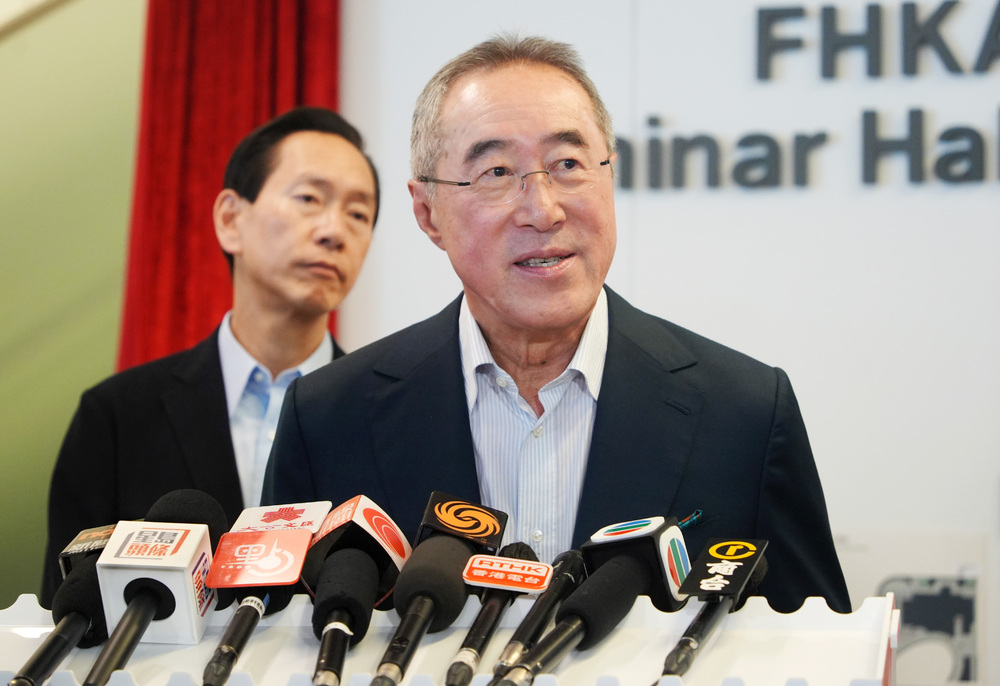
Henry Tang and Bernard Chan, far left, talk about measures that could help the hub – which includes the Xiqu Centre and Palace Museum – achieve sustainability. SING TAO