Read More









Six senior counsel appointed
31-03-2026 13:54 HKT

Approval granted for Kai Tak’s six-stop Smart & Green Mass Transit System
31-03-2026 16:27 HKT
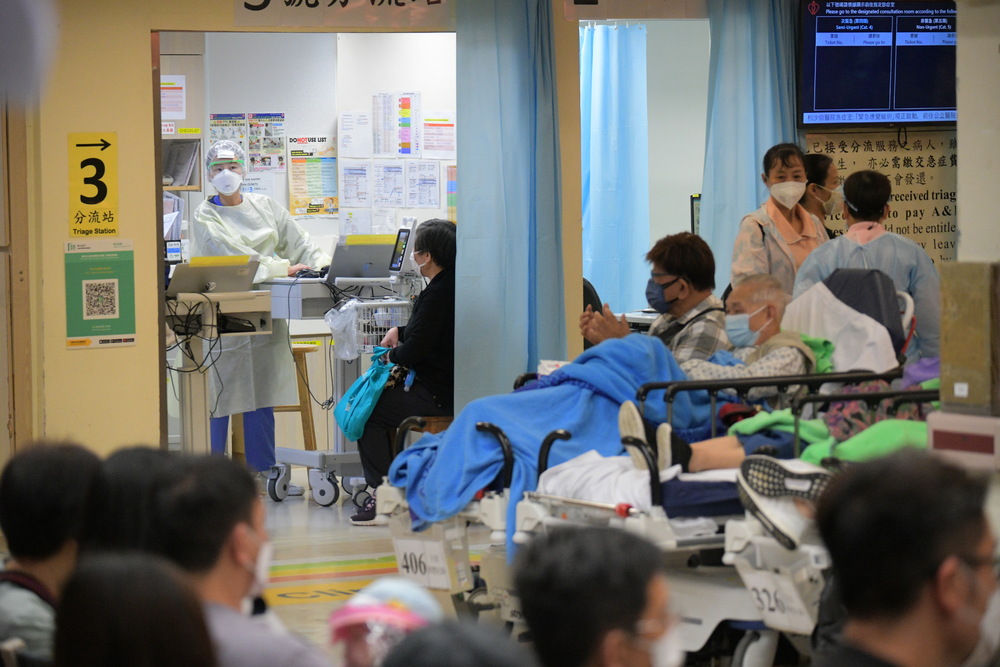
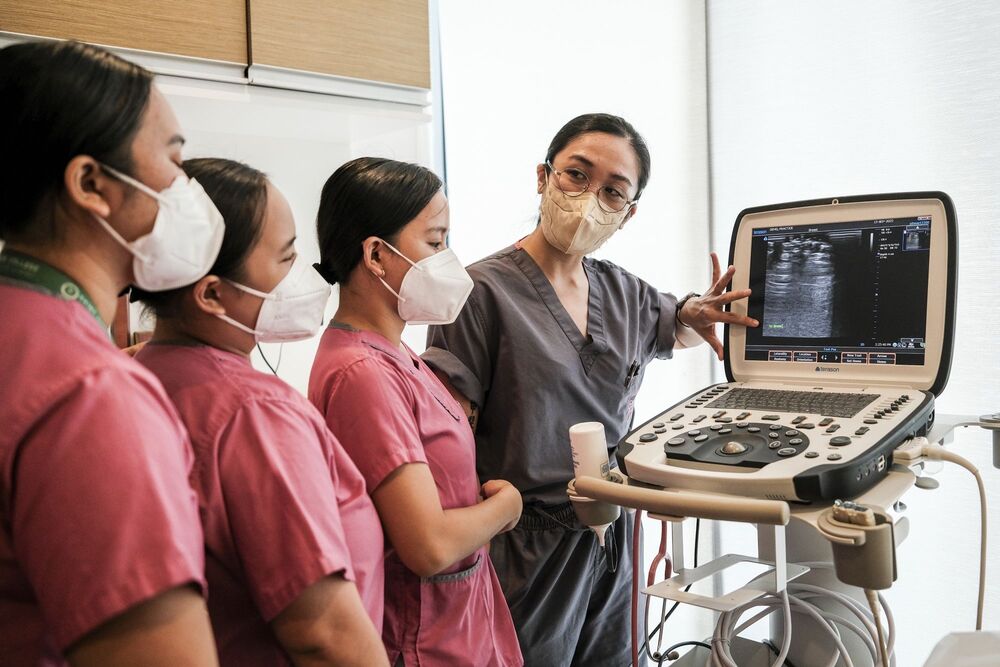
Mainland and overseas nurses may be allowed to practice fully in Hong Kong without a licensing exam after working in public hospitals or clinics for a "certain number of years," the government has proposed to solve the city's serious nurse brain drain.
The relaxation came after Hong Kong in 2021 passed a bill to open the gates for nonlocally trained doctors, including those from the mainland.
Only two to 25 people pass the nursing exam each year, which is the only current pathway for nonlocally-trained nurses to fully practice in Hong Kong.
The health authorities' Health Care Manpower Projection in 2020 said the city was already facing a serious shortage of nurses of 3,405 that year, and the number was expected to increase to 5,060 in 2040.
In December last year, Hong Kong had 66,492 registered and enrolled nurses, the Health Bureau said in a paper submitted to the Legislative Council panel on health services yesterday. It wrote: "The attrition rates of nurses in public health care are escalating. Moreover, the nursing workforce has been facing an aging issue."
A review in 2017 found more than 30 percent of nurses were 50 years old or above, meaning many of them may be retiring soon.
"Locally trained health-care professionals should continue to be the bedrock of our health-care workforce," the bureau said. "But the government cannot solely rely on increasing the number of local training places to address the manpower problem."
The bureau proposes to amend the Nurses Registration Ordinance to open three new pathways for nonlocally trained nurses - who can be nonpermanent residents in Hong Kong - to fully practice in the city.
But the paper did not mention any quota, specific requirements of eligibility, or how long "certain years" means.
The first pathway is special registration or enrollment for mainland and overseas nurses to serve in medical institutions under the Hospital Authority, Department of Health and any other organizations specified by the health secretary.
Those who have worked full-time in these institutions under special registration "for a certain number of years" and were confirmed by their employers that they had satisfactory and competent performance will be eligible for full practice in Hong Kong without having to pass the licensing examination.
"Apart from public health care, the social welfare industry also faces challenges in recruiting and retaining nursing professionals," the bureau wrote.
About 4,400 nurses were employed at care homes for the elderly and disabled last year. But with a revised law requiring the institutions to increase manpower from 2028, they will need to hire 480 more nurses from that year.
To ease the pressure, the bureau also proposed a new pathway of limited registration/enrollment to admit nonlocally trained nurses to the Nursing Council of Hong Kong, care and nursing homes, as well as social service units vetted by the director of social welfare. The third new pathway is temporary registration for nurses from other jurisdictions to perform academic exchanges and clinical demonstrations for a short period in Hong Kong.
The bureau said it will consult the nursing, medical and health, as well as social welfare sectors, patient groups and training institutions on the proposal, with a target to submit an amendment bill to the Legislative Council in mid-year.
College of Nursing Hong Kong president Ellen Ku Wai-yin said opening gates to nonlocally trained nurses was not bad news, but admitted it would take time for them to familiarize themselves with practice in local hospitals.
"Nursing is an international profession. We can work in different countries as long as we have the qualifications because the knowledge is universal," she told The Standard.
"But it will take time for us to learn the cultural difference and the practice to handle patients in different countries.
"I am not worried about their abilities. But we will need to look at the supporting arrangements from the employers to help them adapt to the environment in Hong Kong hospitals."
The chairman of Hong Kong Patients' Voices, Alex Lam Chi-yau, welcomed the move. But he raised concerns on assessments of qualifications. Nurses in some countries are not necessarily degree holders.
He suggested authorities take reference to special registration for nonlocally trained doctors and only grant them full registration after five years of public service.
Currently, nonlocally trained doctors from 75 nonlocal universities, including three mainland institutions - Fudan University, Shanghai Jiao Tong University, Wuhan University - and 72 overseas universities are allowed to register exam-free in Hong Kong.
Health authorities are aiming to attract 100 nonlocal doctors to ease the manpower shortage, but only a dozen doctors have applied to come to the Hong Kong so far.
Jane Cheung, Eunice Lam and Wallis Wang
Editorial: Facing triple taboo in medical brain drain