Read More
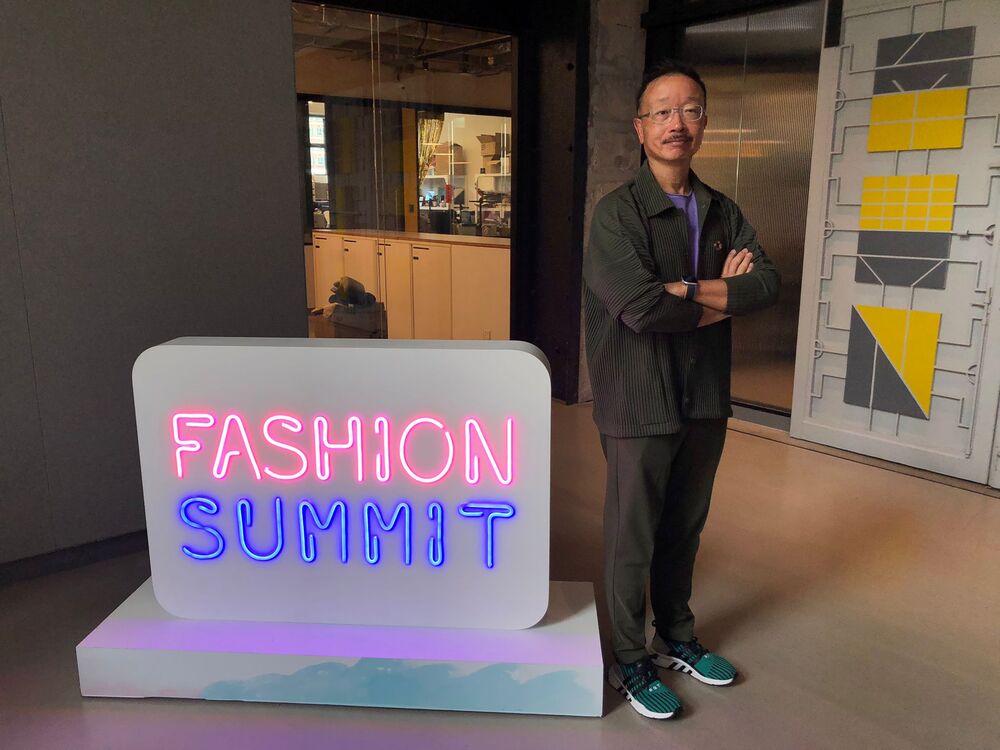
Algae has the potential to replace plastic in fashion packaging, but lack of uniform global regulations and mass production is holding it back, says Thomas Wong Cheung-chi, chairman of the Institute of International Sustainable Development.
ADVERTISEMENT
SCROLL TO CONTINUE WITH CONTENT
The city has "all the financial, geographical and legislative infrastructure to support research into using algae as a biomaterial," Wong told The Standard after speaking at the Hong Kong Fashion Summit, where environmental friendly packaging was one of the focuses
Wong said Hong Kong's highly accessible coastline will aid with algae production, but as "algae grows fast with very little conditions required," lab-grown algae could be a solution as well.
Algae is a highly renewable biomaterial that absorbs carbon dioxide and works against ocean acidification, he said.
Many foreign products such as abrasives, cosmetics and food additives, as well as nutritional supplements, already utilize the versatile plant, but a lack of mass production makes importing products from overseas difficult.
Wong said local research into using algae as a biomaterial is still insufficient due to lack of funding and interest.
Hong Kong biotech firm Geb Impact Technology Co Ltd developed advanced technology to rapidly cultivate microalgae last year in the hopes of creating plant-based protein.
Researchers from the marine science department of the University of Science and Technology have also previously done projects based on algae.
According to data from Energias de Portugal, a global electric power distribution company, the daily average volume of solid waste sent to landfills is as high as 14,739 tonnes a day in Hong Kong.
Packaging waste from online shopping exceeds 77 tonnes a day, accounting for roughly 65 percent of household waste.
"A common misconception the public has is that biodegradable material is able to degrade everywhere," said Ken Lam, regional sales director of G-Locs Group in Asia.
"Most so-called sustainable packaging ends up in landfills, which have insufficient water, light and oxygen conditions for decomposing."
Lam added: "A difficulty we have encountered with integrating sustainable packaging into the global stage is the lack of uniform regulations worldwide."
tsdreporter2@singtaonewscorp.com
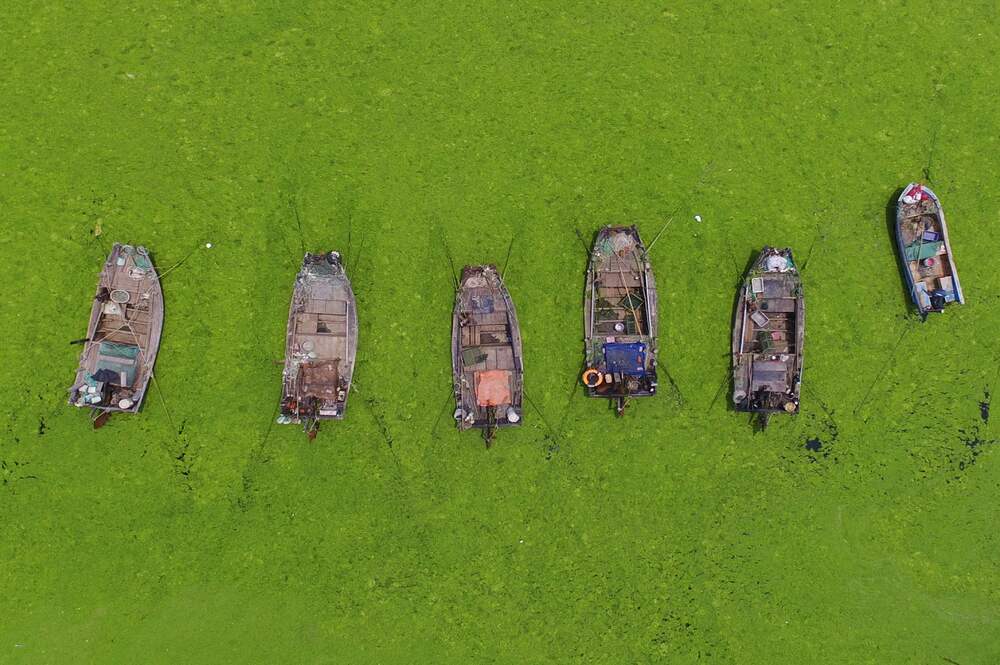
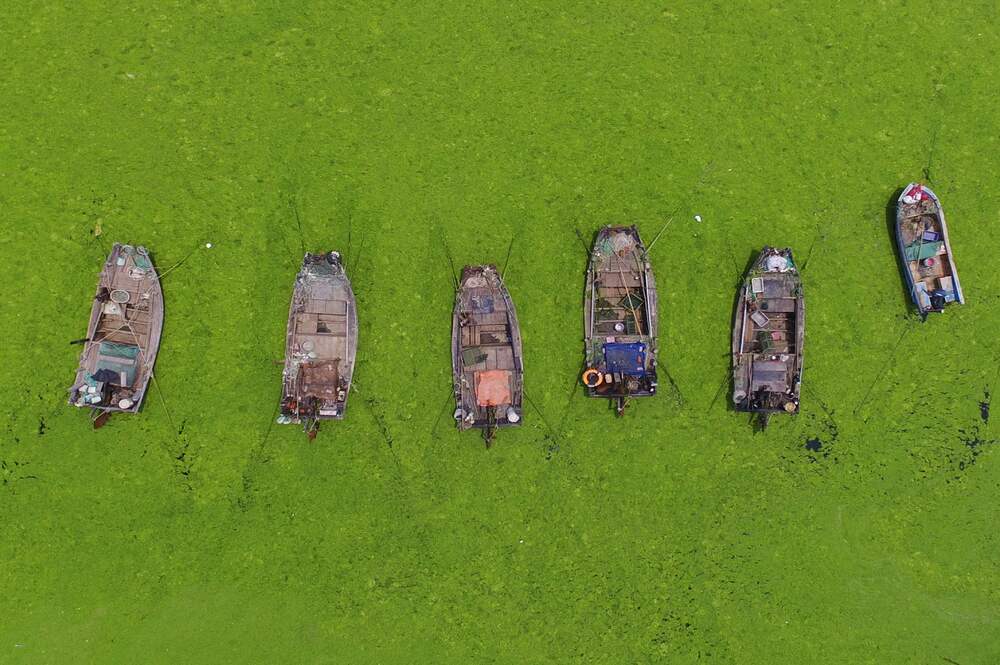
Algae surrounds boats in Qingdao. Thomas Wong says research into algae as a biomaterial needs funding.