Read More
One in eight Hongkongers exhibited symptoms of post-traumatic stress disorder during the fourth wave of the pandemic - and this could climb to two in five in the more severe fifth wave, a survey by Polytechnic University has found.
ADVERTISEMENT
SCROLL TO CONTINUE WITH CONTENT
A research team of the PolyU Faculty of Health and Social Sciences surveyed over 3,011 people by phone and 31 by in-depth interviews from December 2020 to February last year amid the fourth wave, focusing on the psychological trauma caused by the pandemic.
It found 12.4 percent of respondents experienced PTSD symptoms like intrusive memories and over-excitement.
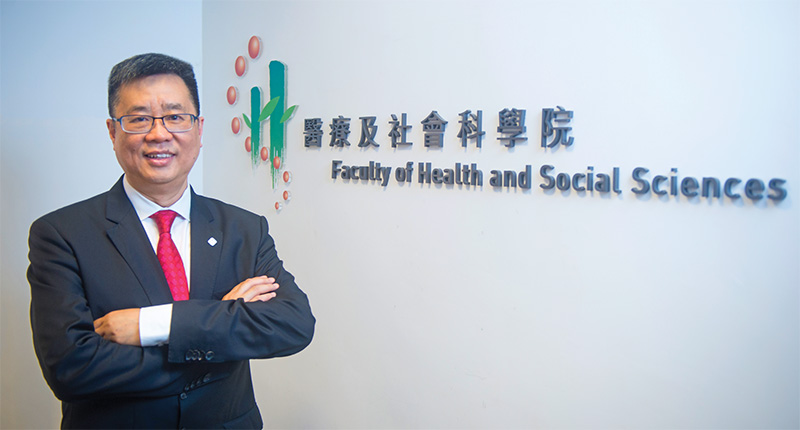
"The [percentage] might climb to 30 to 40 percent after the fifth wave," said faculty dean David Shum Ho-keung, also the team leader.
Shum said the prevalence of symptoms during the survey period was lower than in the early stage of the pandemic in 2020, which meant people had become more familiar with the Covid situation and could cope better with mental problems.
"However, given the outbreaks during this year's fifth wave were more widespread than ever before, it may cause more severe impacts on citizens' mental health," Shum said.
He said being unemployed and having no personal income and also lower educational attainment were associated with a higher chance of suffering from PTSD.
Furthermore, it was found that time spent watching news about the pandemic on television and online was related to the severity of symptoms.
Those who watched pandemic-related news for more than an hour a day were also more likely to have stress symptoms.
"These people would be overly concerned about the news," Shum said. This made it hard to determine what was true, "thus leading to anxiety."
Besides intrusive memories and over-excitement there was also a feeling that the pandemic was not real.
Shum suggested people pay attention to changes in their physical and mental states and seek help from specialists and social welfare organizations if the changes affect their lives.
The in-depth interviews were with 31 people aged above 65 to understand the mental states of the elderly when facing the pandemic.
Judy Siu Yuen-man, associate professor of the Department of Applied Social Sciences, said the elderly generally experienced severe acute respiratory syndrome, also caused by a novel coronavirus in 2003 though Covid was more transmissible.
"Most of them avoided leaving home for exercise and had halted many regular activities," she said, so many experienced worry, helplessness and depression.
Cheung Wah-chun, a 75-year-old woman living alone, said she stayed home mostly during the fifth wave. And without someone to talk to she felt her brain degenerated.
Lam Ka-wing, a social worker at Harmony Garden Lutheran Elderly Center in Siu Sai Wan, said some family members would not allow their elderly to go out and seniors themselves were afraid of being infected.
"Such a situation makes the elderly easily fall into depression," she said.
roxanne.li@singtaonewscorp.com
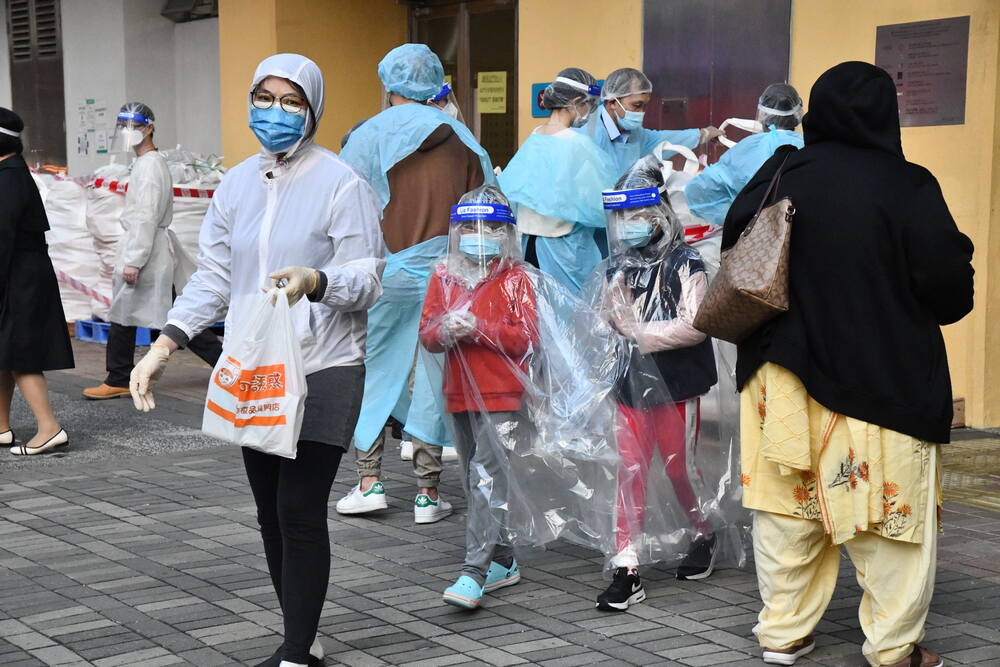
Some people became overly concerned after watching the news, says David Shum.SING TAO