Read More


Night Recap - September 28, 2026
6 hours ago








HK faces week of extreme heat with temperatures soaring to 34 degrees
28-09-2026 03:01 HKT



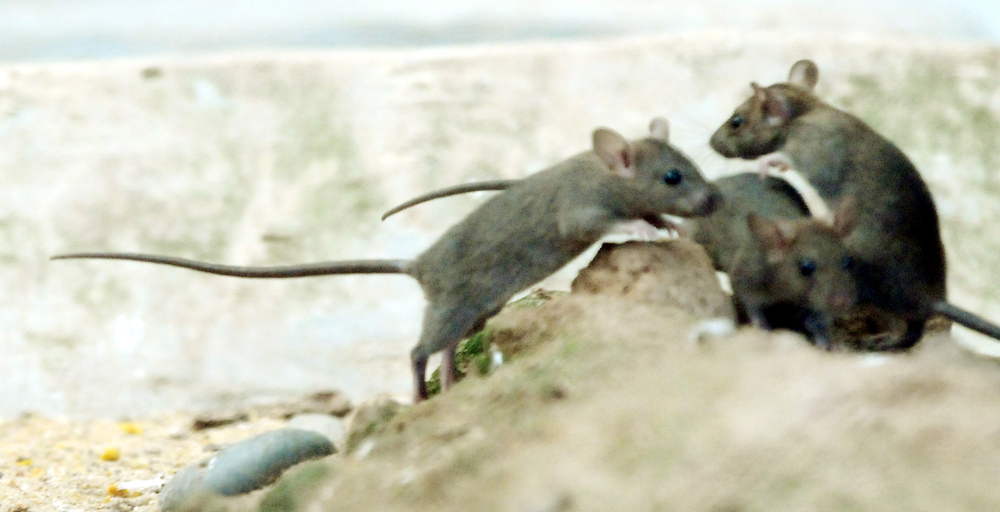
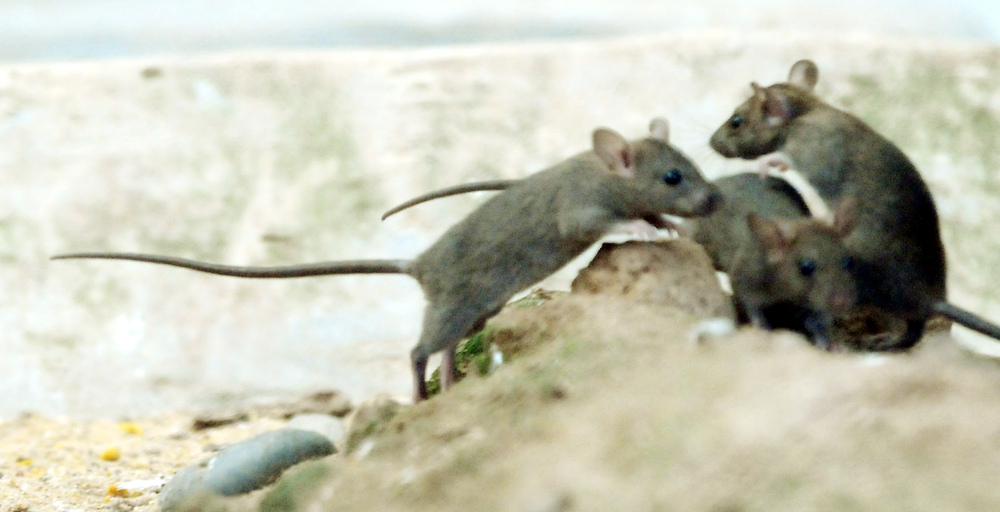
The outlay for hit squads sent to hunt down rats last year makes for uncomfortable reading. For it cost taxpayers HK$720 million to kill or trap just over 67,000 rodents, or more than HK$10,000 for each rat.
The accounts with a nasty bite were presented by the Food and Environmental Hygiene Department to legislators who asked for the figures, which revealed a pack of information about 2021's hunts.
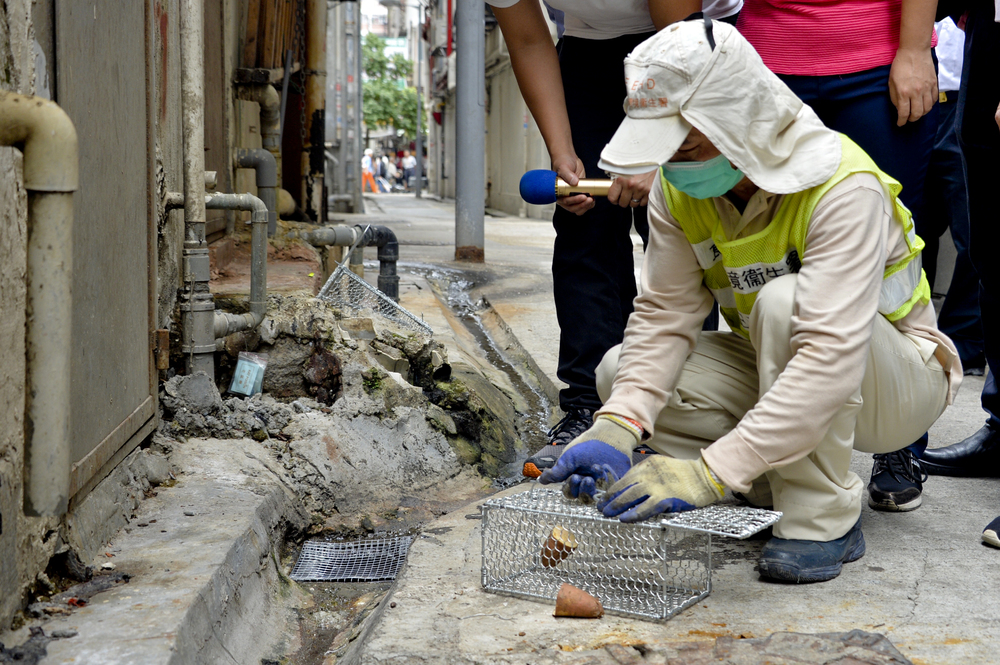
The year saw 109,685 servings of poison offered along withe the setting of 86,164 traps by more than 2,000 hunters.
But the overall tally of 67,182 rats was only about 6,000 more than in 2020. Of them, 33,336 were dead while 33,846 were alive, at least for a short while.
The department also received 11,102 complaints of rodent infestations.
Yau Tsim, Wan Chai and Sham Shui Po faced relatively severe rodent infestation last year.
But problems worsened in Tuen Mun, Sai Kung and Wong Tai Sin, with infestation rates increasing between 0.2 and 3.7 percentage points from 2020.
Overall, though, the infestation rate was 3.1 percent last year compared to 3.6 percent in 2020.
The number of surveyed locations that recorded a level 2 of infestation - indicating a "slightly extensive rodent infestation" - also decreased to three last year from seven in 2020.
Looking back, the 2017/18 financial year saw the FEHD spend HK$569 million on pest control. Expenditure surged to HK$726 million in 2020/21 and then to HK$731 million in 2021/22.
For 2022/23, the department has budgeted HK$751 million, which will cover staff expenses, expenditure on service contracts and other day-to-day running costs.
Around 2,200 workers are employed by pest control contractors, while 745 civil service staff will be engaged in the campaigning.
The department also revealed that total additional funding of HK$500 million will be allocated within two years for the department to enhance environmental hygiene services, according to the 2022-23 budget announced in February.
The additional funding will be used on strengthening measures on rodent control in response to the pandemic as well as stepping up inspections and enforcement actions to raise awareness about hygiene.
"The department will continue to strengthen rodent prevention and control work in public places and conduct targeted street cleansing and disinfection when necessary," the department said.
The FEHD currently assesses rodent situations in districts by referring to data including the rodent infestation surveys, complaints about rodents, views of local communities and regular inspections by front-line staff.
Expert hunters also check by looking for signs such as rodent droppings, gnawing marks and rat holes. Then poisoned bait are laid and traps set.
A high-tech hunting device has also been employed in the form of a thermal surveillance system with an artificial intelligence function that should lead to greater understanding of rat activities, especially in areas with serious infestations.
The department is also working with two local universities to obtain more information on rodent food preferences and introducing poisoned bait that should be more attractive to rats than some of the stuff being laid around at present.
There are also efforts to find systems for more precise surveys.
An integrated management approach to the prevention and control of rodent infestation is following recommendations and technical guidelines of the World Health Organization, the FEHD added.
The first round of an eight-week anti-rodent operation will start next month in the Central and Western, Southern, Wong Tai Sin, Kowloon City, Tsuen Wan and Tai Po districts. A second round is expected in October.