Read More



Amber rainstorm warning issued at 11am
2 hours ago




Iran demands transit fees in yuan, stablecoins for Strait of Hormuz passage
03-04-2026 02:45 HKT

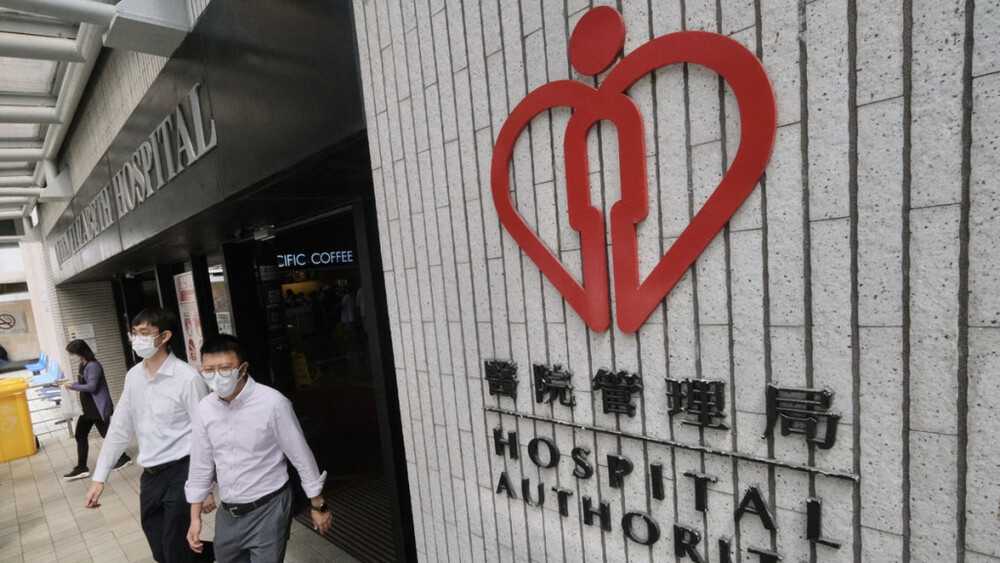
The language barrier will deter foreign specialists from working in Hong Kong hospitals, a patient group leader says, adding a special scheme allowing non-permanent resident doctors to practice here will appeal only to mainlanders.
It follows Secretary for Food and Health Sophia Chan Siu-chee's announced revisions in the Medical Registration (Amendment) Bill 2021 that open the gates at public medical institutions to specialists who are non-permanent residents to solve the brain drain of doctors. The revisions are an extension of the previous proposal to only allow permanent residents.
Chan yesterday rejected criticisms that the revisions were politically driven to import mainland doctors, saying their sole purpose was to alleviate a shortage.
But Hong Kong Patients' Voices chairman Alex Lam Chi-yau, speaking on a radio program, said even after the revisions the scheme lacks appeal as specialists have typically gone through over 10 years of training.
"I doubt many people with the qualifications and experience will be willing to give up what they have established in another country to come to Hong Kong," he said. "Maybe only mainland specialists will consider coming."
Lam added: "Another obvious issue is the language barrier. If the foreign doctors don't know how to speak Cantonese, or even read Chinese, how can they communicate with the patients?"
On the same program, infectious disease expert Ho Pak-leung from the University of Hong Kong said the revisions are not "magic pills" as he believes only a "double-digit number" of doctors who fulfill the requirements are willing to come to Hong Kong.
Ho said certain language requirements should come with the scheme and imported specialists who do not speak Cantonese must take courses to qualify.
"It's the same for Hong Kong doctors who wish to migrate to the United Kingdom - they must also fulfill language requirements or learn English to communicate with local patients," he said. "If authorities don't take the suggestion and put doctors who don't speak Cantonese to non-patient-facing roles, it doesn't solve the problem of manpower shortage."
On another program, Hong Kong Public Doctors' Association president Tony Ling Siu-chi said authorities should improve the working environment, long hours and poor doctor-patient relationship in public hospitals to appeal to foreign specialists.
On another revision to allow permanent residents who obtained overseas medical degrees to take the licensing examination in Hong Kong and receive internship training at hospitals afterward, Ling said graduates in Hong Kong have clinical internships when they are still students, allowing them to work semi-independently as housemen.
But that may not be the case for overseas graduates who do not have much internship experience as students.
"These graduates may not be able to handle patients independently," he said. "The committee overseeing such special registration must act as a gatekeeper to evaluate these graduates' clinical experience to ensure the quality of services delivered by housemen."
The government hopes the bill would be passed by the Legislative Council's end of term on October 30.
jane.cheung@singtaonewscorp.com