Read More











IT manager sentenced to 22 months for stealing $1.2m in Deloitte laptops
21-08-2026 21:49 HKT


Animal lover Jojo remembered for a life dedicated to saving stray dogs
21-08-2026 13:46 HKT
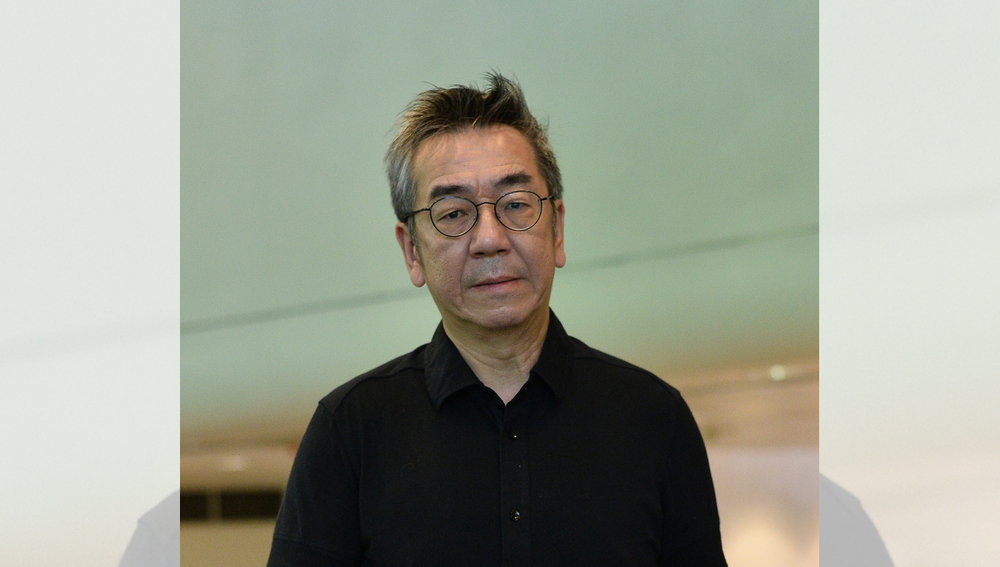
The British government is "helping Beijing and helping Hong Kong" by launching the BNO policy, as it will move people out of the crowded city while leaving its infrastructure intact, commentator Chip Tsao says.
Tsao told RTHK's City Forum yesterday that people should not react too emotionally toward the new British policy.
From an economic perspective, he agreed with economist Francis Lui Ting-ming, saying the policy will be beneficial to Hong Kong and China if up to 300,000 people move out so there would be "a massive manpower replacement."
Lui has previously criticized anti-government protesters and said they should emigrate so Hong Kong could have new blood.
Lui added those who remain here would see more opportunities for promotion, and the emigration trend would create room for mainland talent and international technology professionals to come to Hong Kong.
"I think the UK government must have heard that and offered to help switch human resources," Tsao said.
He said Britain is helping Hong Kong people as property prices could come down when people leave the SAR en masse, causing more people to be able to buy their own home.
The chances of promotion at work will also increase for those who stay behind. And the emigration trend will allow more talent from the mainland to come over.
On the issue of dual nationality, Tsao said the central government will not launch further counter-measures.
Another speaker at the forum, Chiu Yu-lok, a scholar in international studies, estimated that up to 300,000 people will apply for emigration to Britain but over 100,000 might decide to return.
He said also about 200,000 to 300,000 people left Hong Kong during the 1997 emigration but many returned when the political environment stabilized.
The Chinese government has exercised restraint in counter-measures, Chiu said. He believed Hongkongers who obtain the right to reside in Britain will lose their rights to be Chinese citizens and Hong Kong permanent residents.
Their right to vote will also be restricted.
Meanwhile, Midland Immigration Consultancy's senior director of business strategy, Tina Cheng Tin-yan, told the media that fewer than 20,000 people will apply for the new BNO visa in the first year, way lower than the 123,000 applicants estimated by London.
Although the threshold for the new visa is low, Cheng said people need to be financially able to move there as they need to consider other factors, including employment, education and housing.
The biggest incentives for immigrants are the benefits they can enjoy such as the national health service and free education, she said.
Based on previous experience, Cheng said those who did not enter Britain within 90 days of receiving their visas may need to make a new application or submit an explanation to the British government.
But there is no word from London on whether people can apply for the visa more than once.