Read More


Night Recap - April 3, 2026
7 hours ago









Iran demands transit fees in yuan, stablecoins for Strait of Hormuz passage
03-04-2026 02:45 HKT


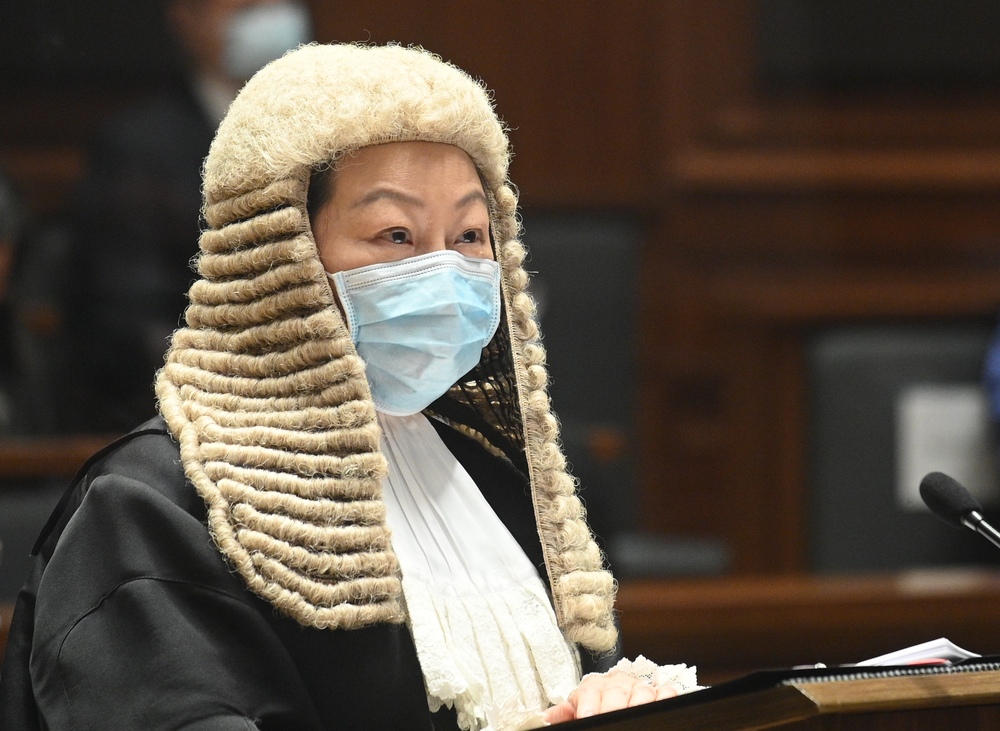
Conscienceless attacks on the Judiciary eat away at society's respect for the law, says Bar Association chairman Philip Dykes.
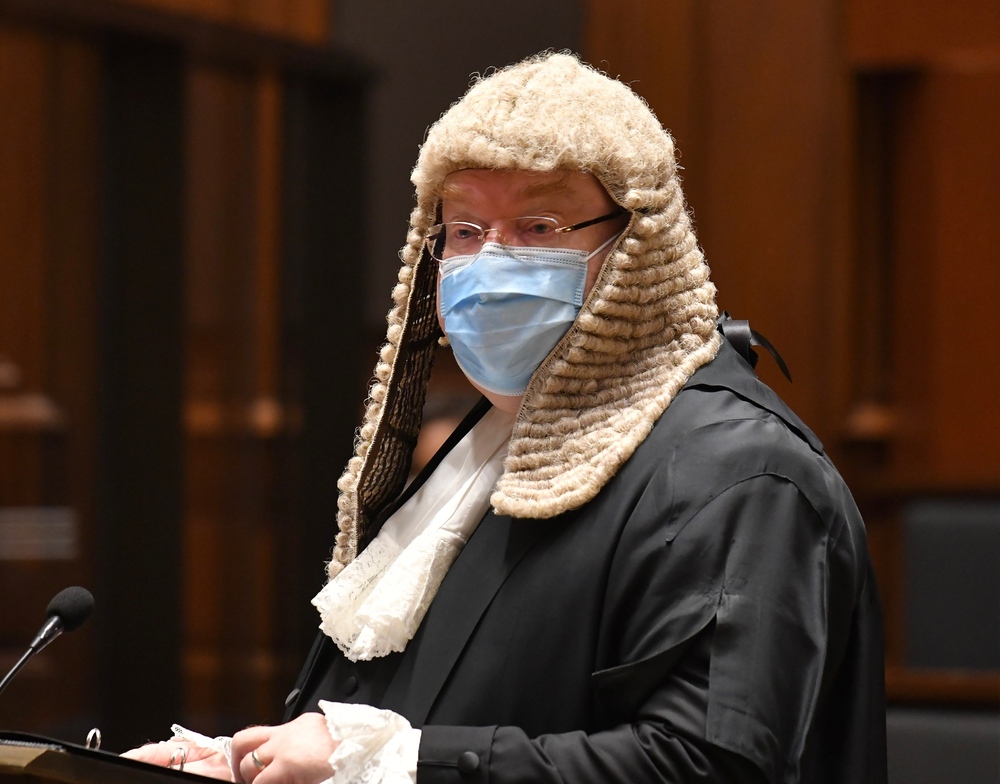
"Attacks like this are pure poison. They undermine people's confidence in the Judiciary because they set at nought the judicial oath," Dykes said at the ceremony to mark the legal year.
"I hope that common sense prevails and that people see that conscienceless attacks on the Judiciary do no one any good. They eat away at society's respect for the law, which is necessary for judicial independence.
"And without judicial independence . . . we might as well pack up our bags and steal away, for Hong Kong is nothing without it."
Dykes said the Judiciary is weaker than other branches of government as it cannot command an army or police or appeal for voters' support and, as such, "must demonstrate its worth in the constitutional order by commanding the people's respect through its commitment to the rule of law."
Dykes added: "When there is a creeping barrage of baseless criticism that supposes that judges are politically biased, incompetent or dishonest, the damage is done not so much to the judges, who have broad backs but to the Judiciary as an institution."
But it is the primary job of the secretary for justice to assure accountability of "authors and publishers of unprincipled attacks on judicial independence," Dykes said.
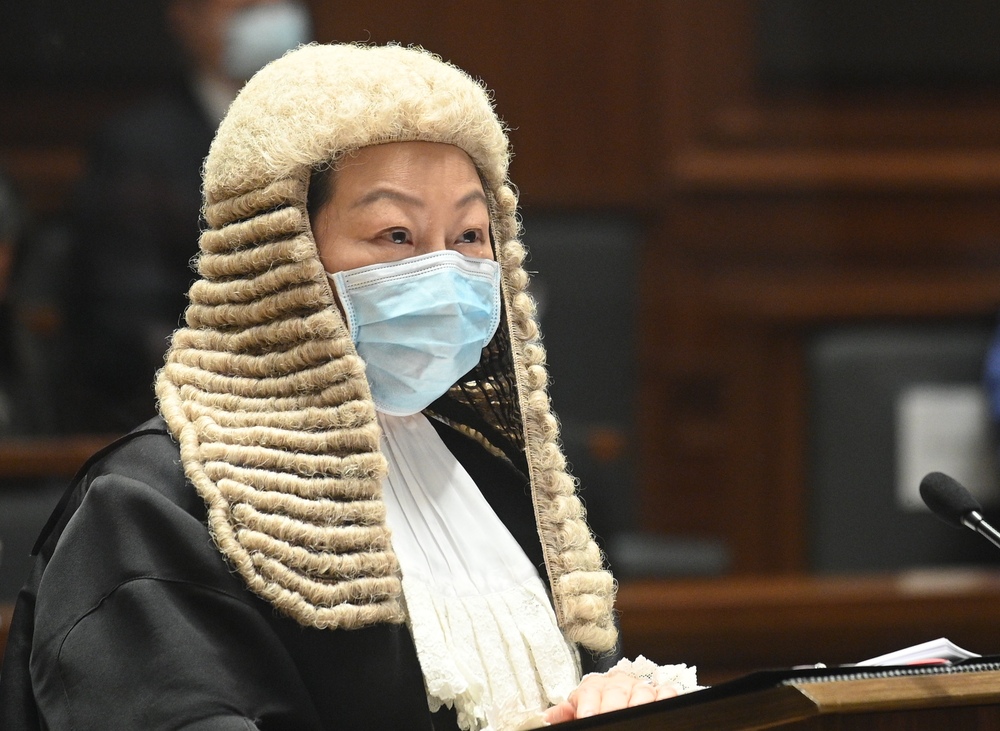
Secretary for Justice Teresa Cheng Yeuk-wah said rational, objective comments and discussions on court decisions are allowed, but added that she noticed some remarks are "nothing like that."
Cheng added: "Any unfair or unfounded remarks with the ulterior motive of exerting pressure or undue influence on our judges in dispensing justice will be to no avail."
She also hit out at "baseless challenges" against Beijing's national security law.
"National security is within the purview of the central authorities. The National People's Congress is the highest organ of state power in the People's Republic of China and its Standing Committee was entrusted to formulate the national security law," Cheng said.
She added that there had been many "unfair and ill-informed" criticisms against the designation of judges by Chief Executive Carrie Lam Cheng Yuet-ngor to handle national security cases.
"It should be reiterated that the chief executive only designates a list of judges in different levels of courts to hear cases involving issues of national security, rather than assigning which judge to preside over a specific case," Cheng said.
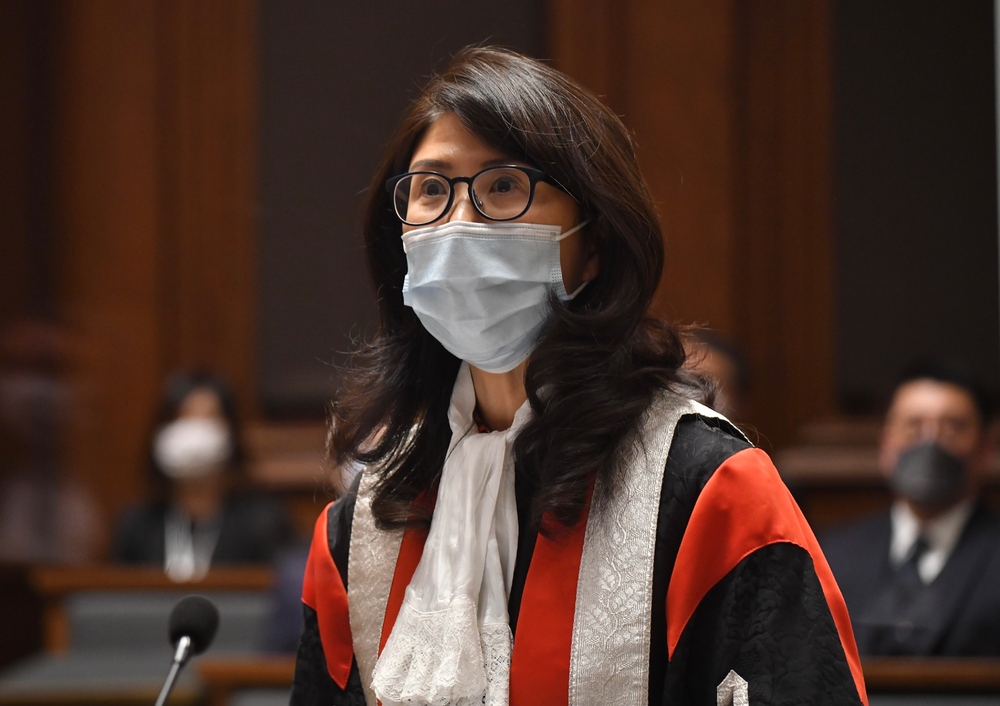
The president of the Law Society of Hong Kong, Melissa Kaye Pang, said the judiciary had "weathered an unprecedented amount of criticisms" last year.
"We live in an era where the public's trust and confidence in the establishment, including the judiciary, is unfortunately fading. Unfair and misinformed criticisms against the judiciary, if not responded to or clarified immediately, will undermine trust in the long term and open the way for measures that may affect judicial independence," she said.
sophie.hui@singtaonewscorp.com