Read More

Morning Recap - October 28, 2026
17 mins ago





Office lottery dispute leads to High Court lawsuit over $33m prize
26-10-2026 17:24 HKT

Engineer loses $8.5m in online romance scam involving fake Taiwanese dancer
27-10-2026 05:47 HKT
The proportion of women among government officials has increased over time, but they remain underrepresented in the legislative and district councils, an Equal Opportunities Commission study has found.
Based on their findings, the EOC suggested the Women's Commission provide support for potential female political leaders and first-time candidates in elections.
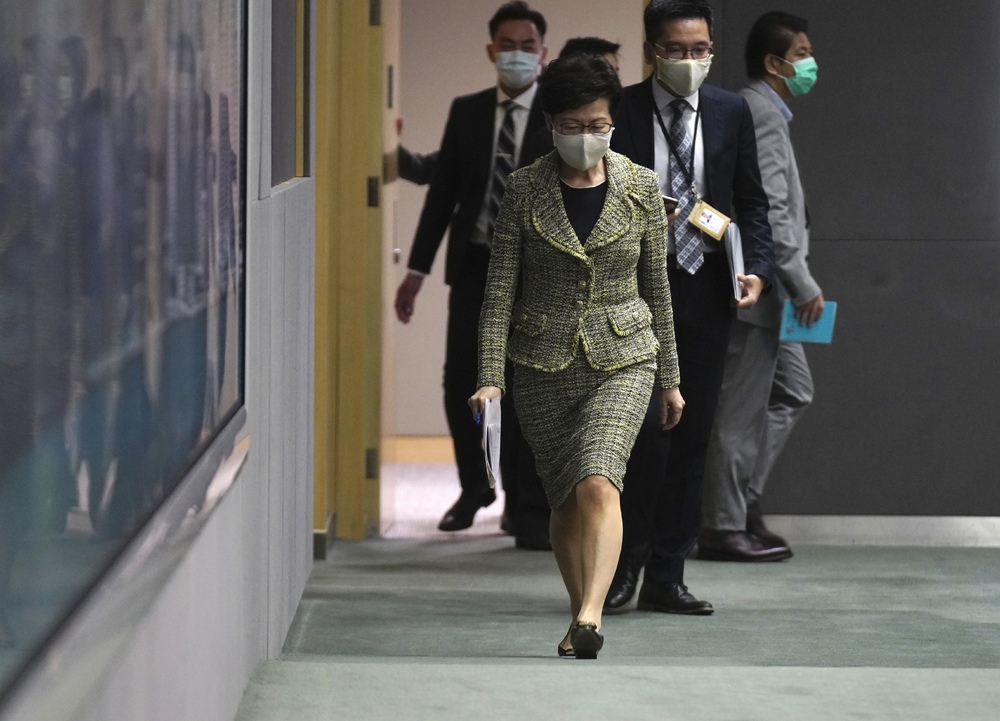
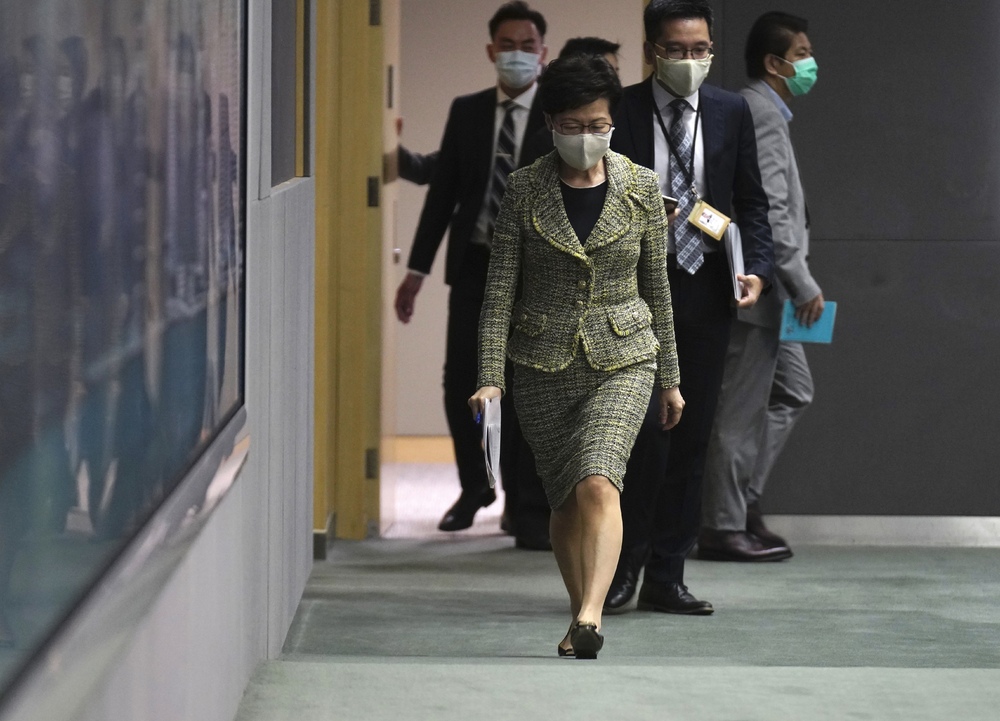
With Carrie Lam Cheng Yuet-ngor as the city's first female chief executive, the study found that the proportion of female directorate officers increased from 9.8 percent in 1991 to 38.4 percent last year.
The percentage of directorate officers grew from 9.8 percent in 1991 to 32.9 percent in 2011, but this upward trend slowed down after that. The EOC also found that 17.1 percent of lawmakers elected in 2016 were female, and 19.5 percent of elected members in the 2019 district councils were women.
"Engaging women equally for decision-making in public affairs is not only a fundamental human right, increasing the representation sphere also helps avoid the marginalization of women," said Gary Wong Chi-him, a member of the EOC policy, research and training committee.
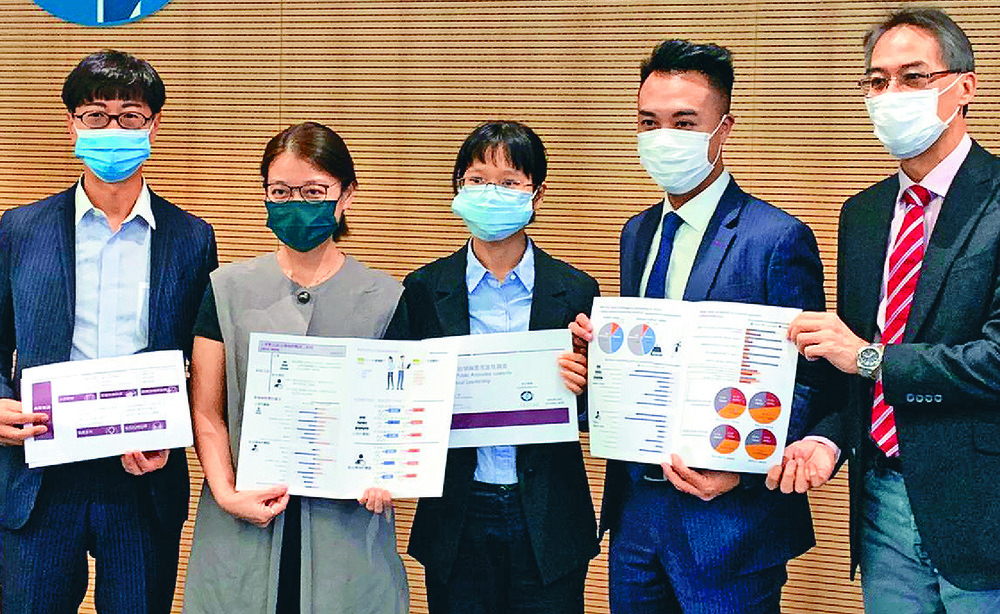
The study, conducted by a research team from the Gender Research Centre at Chinese University's Hong Kong Institute of Asia-Pacific Studies, examined opinions about different policies for increasing female representation in political leadership and eliminating difficulties encountered by women.
A total of 1,003 responses were collected through a telephone survey in addition to 383 online responses from 2018 to 2019.
The telephone survey found that women leaders were seen as compassionate (25.1 percent), collaborative and compromising (25.9 percent), while men were seen as visionary (29.1 percent).
The study also found gender stereotypes still existed regarding perceptions of leaders' performances in different policy areas.
The general public indicated that men were seen to be more capable in dealing with security affairs (71.6 percent), economics, finance and trade (51.9 percent), while women were seen to be more capable in social welfare (42.9 percent) and education (31.5 percent).
The study also found that women were perceived to encounter additional barriers - namely, domestic responsibilities (64 percent), traditional attitudes of gender roles (55.9 percent) and double standards between genders to prove themselves (46.8 percent).
In-depth interviews were conducted with 32 male and female local political leaders between November 2018 to May 31, 2019. They included former, current and potential political leaders from government departments, councils and political advocacy groups.
"Female leaders said they received unwanted public attention with a focus on their body shape and private lives, which have made them extremely uncomfortable," said Sally Lo Ka-wing from the Hong Kong Institute of Asia-Pacific Studies.
maisy.mok@singtaonewscorp.com