Read More



Night Recap - April 3, 2026
9 hours ago


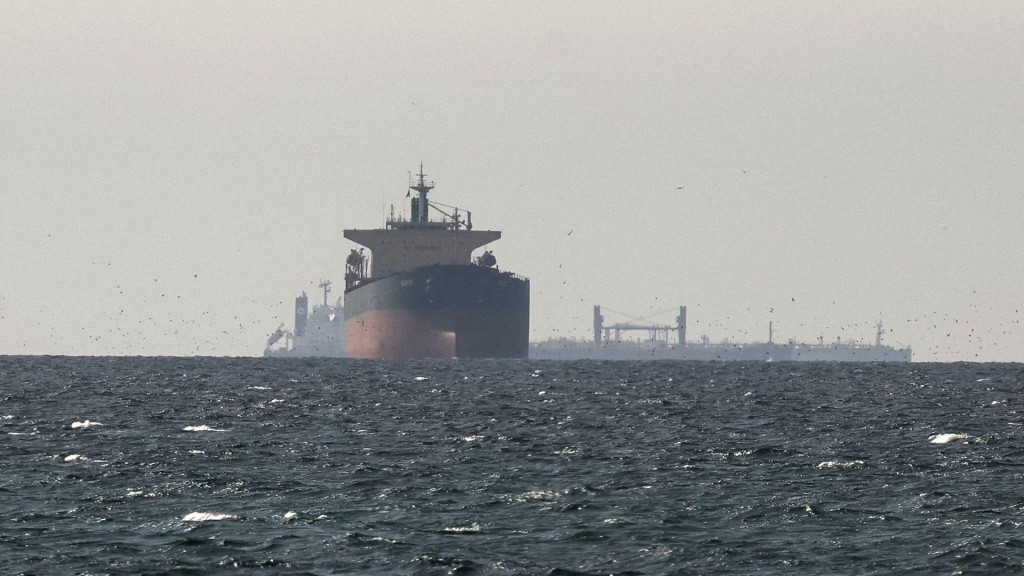
Iran demands transit fees in yuan, stablecoins for Strait of Hormuz passage
03-04-2026 02:45 HKT
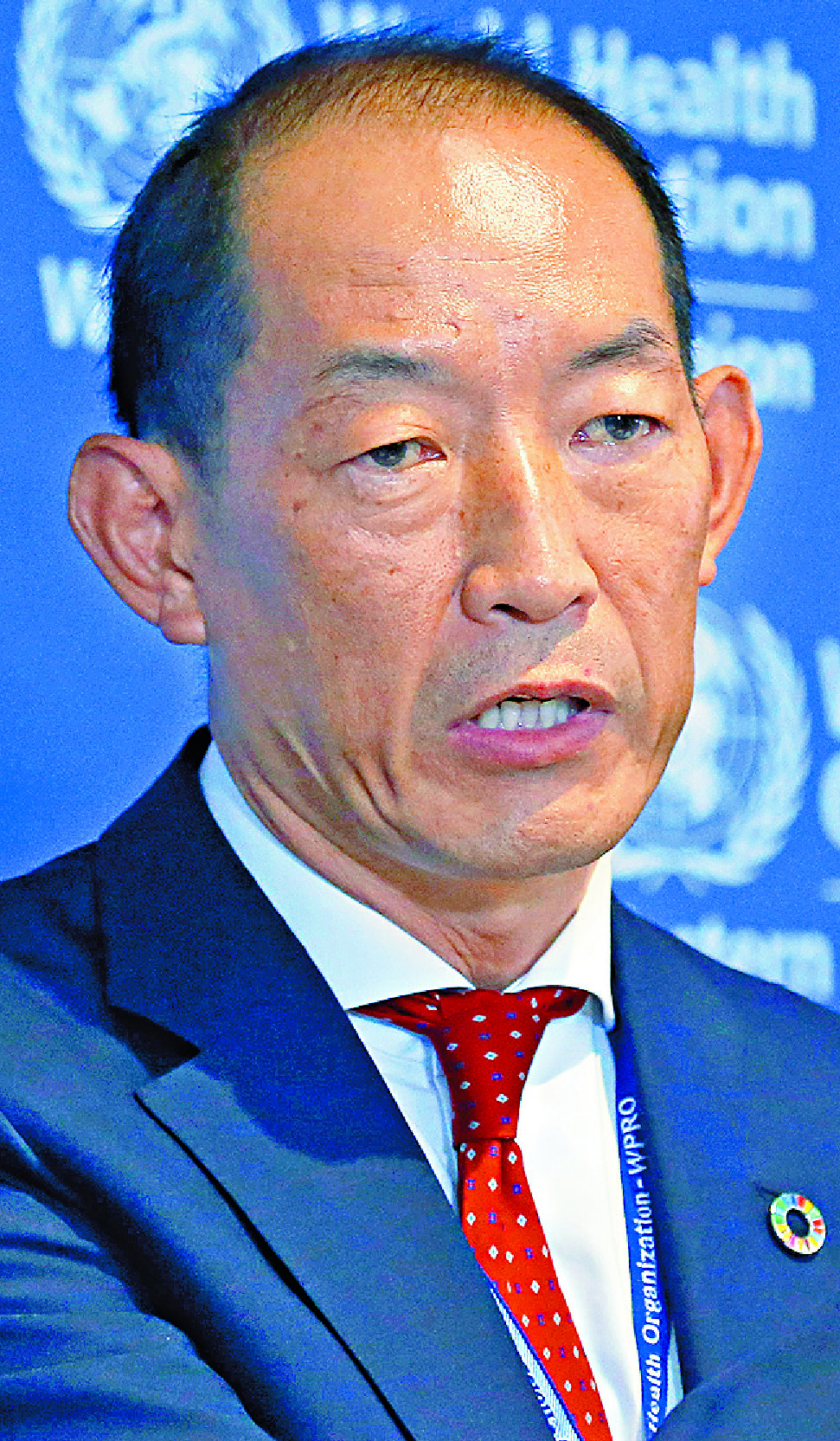
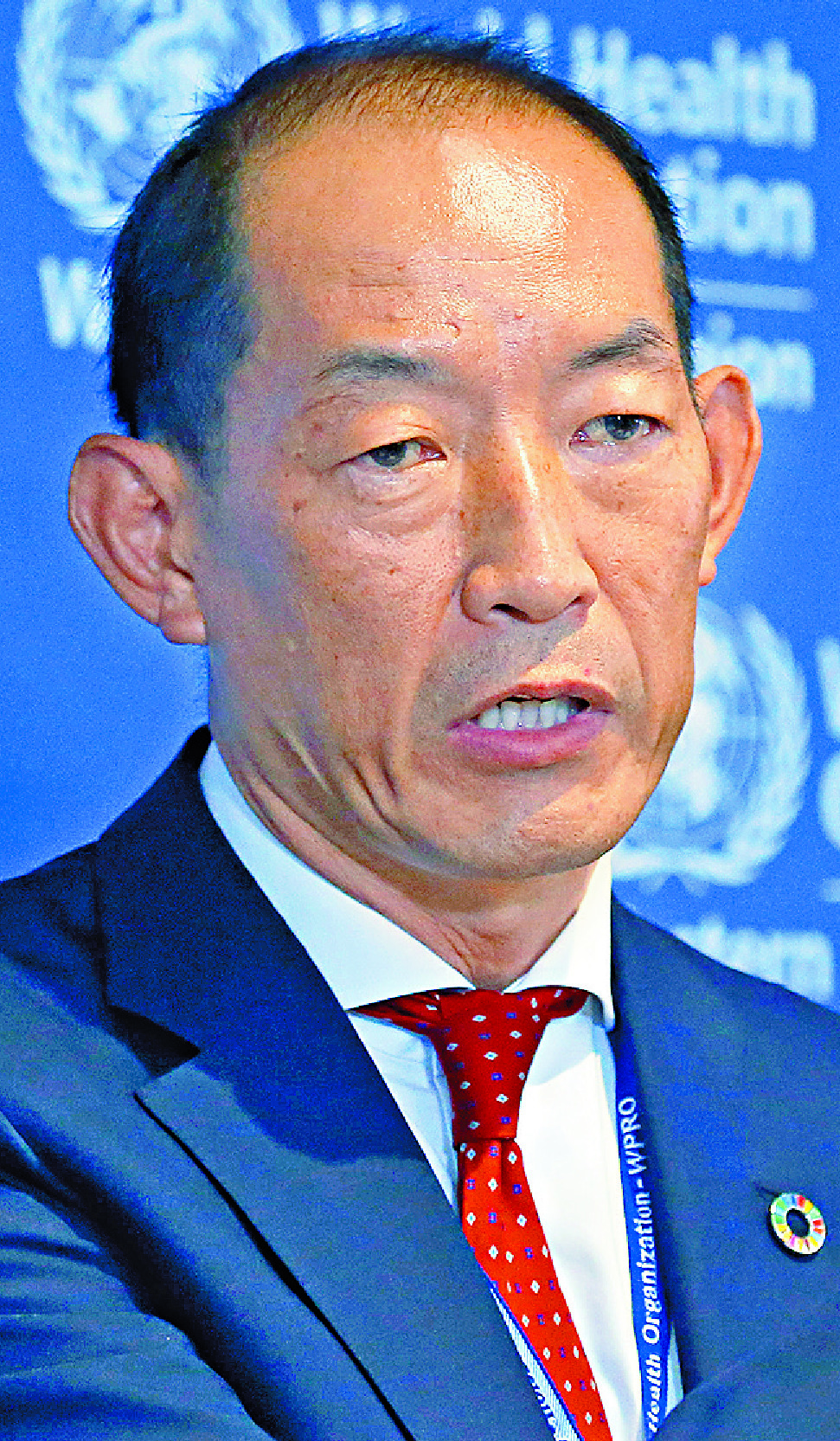
The Western Pacific regional director for the World Health Organization, Takeshi Kasai, says the region's Covid-19 spread is being driven by people in their 40s and under as he calls for a fair distribution of vaccines.
"The epidemic is changing [in Asia-Pacific]. People in their 20s, 30s and 40s are increasingly driving the spread," Kasai said. "Many are unaware they're infected with very mild symptoms or none at all. This can result in their unknowingly passing on the virus to others."
The region, which includes China and Hong Kong, has so far reported 409,589 confirmed cases, with 9,293 deaths for a mortality rate of 2.3 percent compared to 3.6 percent in other regions.
Tamano Matsui, WHO health emergencies program area manager, said the virus has impacted young people substantially in most recent cases.
"For example in the Philippines and Victoria, Australia, more than half of reported cases are people under 40 years old. The same is true in Japan, where 65 percent of people infected from July to August are aged 39 and below," she said.
Kasai said WHO regards vaccines as "global public health goods."
He added: "It would not belong to one country but should belong to every country. Unless every country is protected no country is safe."
The remarks came as US President Donald Trump announced deals worth US$5 billion (HK$39 billion) with three candidate vaccine makers to purchase some 300 million doses. Trump, seeking reelection, hopes to stop the outbreak in America, which has the most cases globally at 5,443,162 and most deaths at 170,548 as of yesterday.
Kasai said the WHO joined other partners in January to launch the Covax Initiative to ensure the creation of safe and effective vaccines.
It also hopes to find "a way to distribute vaccines in a safe and fair manner around the world."
China has seven candidate vaccines that are advancing to phase 2 and phase 3 clinical trials while Japan has five vaccine candidates in various stages of clinical trials, said Socorro Escalante, coordinator for essential medicines and health technologies.
The Western Pacific regional office also has been working with the national regulatory authorities to ensure quicker arrival of vaccines into countries.
"All the stringent regulatory authorities in the Western Pacific - including Japan, China, Australia, Singapore and South Korea - are willing to support the countries with lesser capacity in vaccine assessment," Escalante said.
She said WHO is also aware of ongoing discussions between Moscow and Manila to use experimental Russian vaccines in the Philippines by October.
maryann.benitez@singtaonewscorp.com