I'm tracking my macros."
"I'll pass on that, it doesn't fit in my macros."
"I'm on the Macro Diet."
Macros seem to come up often on the internet and social media devoted to people trying to lose weight, improve health, look better and feel better about themselves. But what the heck is a macro?
With more information than ever available at your fingertips and more diets than you have fingers and toes to count on, it's no wonder you might be confused. As an exercise science specialist interested in health and nutrition, I've got you covered.
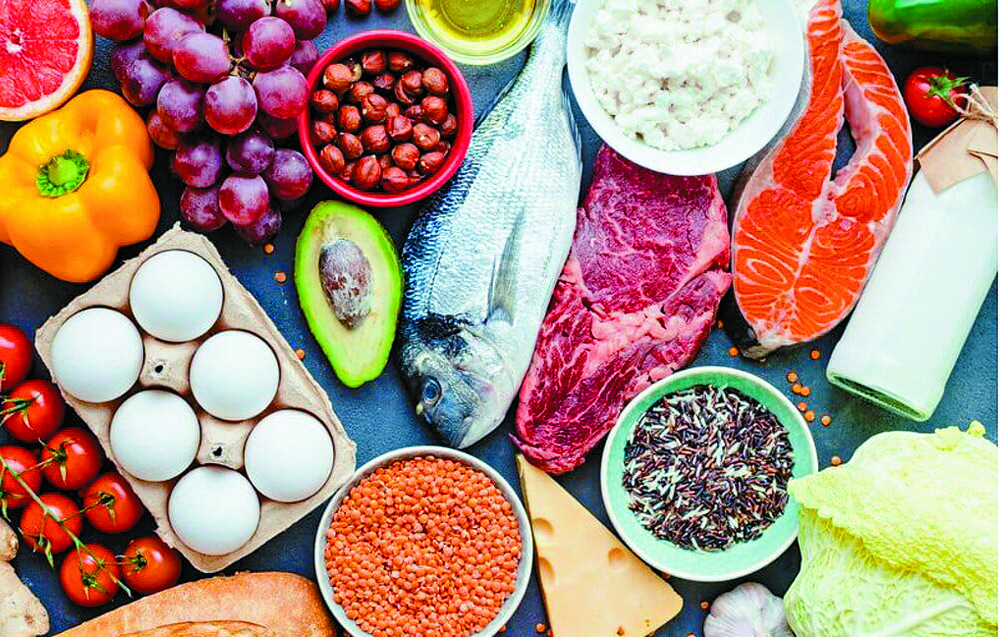
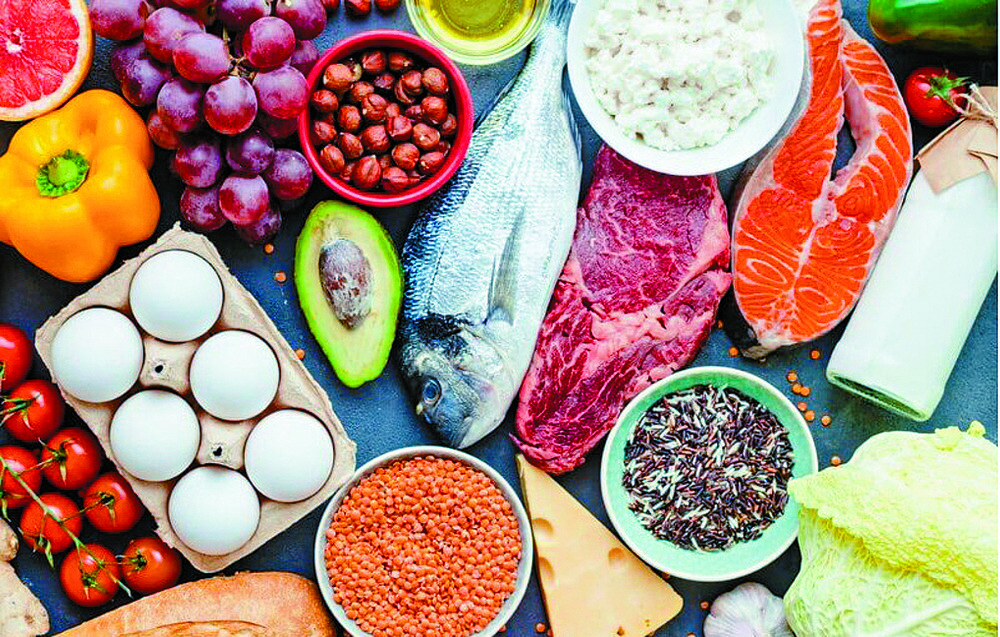
"Macros" is just a shorthand term for macronutrients: protein, carbohydrates and fats. They're the nutritional building blocks that all foods are made up of in various ratios.
If you look at a nutrition label, you'll see that macros are measured in grams. But the calories per gram for each macro aren't the same. Protein and carbohydrates each have four calories per gram, while fat has nine calories per gram.
People rarely eat proteins, carbohydrates or fats in isolation. For example, while chicken is a source of protein, it also contains fat. Almost every food contains more than one macronutrient.
What macros do and where to find them
Beyond its job building muscle, protein also plays other critical roles in the body: as a component of enzymes, transporting nutrients and producing hormones.
Sources of protein include meats, eggs, fish and seafood, and dairy. While animal sources have the highest protein content, plant food sources, such as whole grains, legumes such as beans, and nuts and seeds also contain protein. You don't need to consume animal products to get adequate protein.
The 2020-2025 US federal dietary guidelines recommend at least 46 grams of protein for women and 56 grams for men, although this may be too low for seniors, pregnant and lactating women, and people with high activity levels.
Carbohydrates are the body's preferred energy source. They're found in bread, rice, pasta, fruits, dairy products, legumes and starchy vegetables.
As for fats, there are different types: polyunsaturated, monounsaturated, saturated and trans fat. Polyunsaturated and monounsaturated have the greatest health benefits and are found in things such as nuts and seeds and fish. Omega-3s are essential fatty acids that can reduce the risk of cardiovascular disease and are found in fatty fish such as salmon and nuts such as walnuts.
Artificial trans fats are created by an industrial process. You'll see them listed as partially hydrogenated oils on nutrition labels for fried and baked goods. They increase heart disease and death risks.
Do calories matter?
In a word, yes, calories matter. But calories from different sources do affect the body differently.
For example, 2,000 calories of junk food and soda are not going to help with appetite control the same way that 2,000 calories of fruits and vegetables, whole grains, healthy fats and lean proteins will.
Fiber, for example, is found in fruits, vegetables and whole grains and has been found to be a potent appetite regulator.
The good news is that the most important thing for weight management is caloric balance and consistency.
In fact, evidence suggests there is no "optimal" diet that can be applied to everyone, and that various weight loss strategies - different macronutrient distributions, intermittent fasting and so on - all balance out over the long run.
If you're attracted to a dietary approach that relies on tracking your macros, focus on getting a healthy balance of protein, carbs and fat.
Tyler Garner is a clinical assistant professor at the University of Texas at Arlington
the conversation/associated press
(By Tyler Garner)