Yann Samuell’s new drama sends two unlikely companions along the Camino de Santiago, where exhaustion, silence and unexpected kindness gradually open the way to trust, healing and a second chance.
ADVERTISEMENT
SCROLL TO CONTINUE WITH CONTENT
There are journeys we choose, and others we begin because we have run out of places to go.
In Yann Samuell’s Santiago: The Camino Therapy (Compostelle), the distinction becomes increasingly blurred as two strangers set out on the Camino de Santiago, the centuries-old pilgrimage route stretching across northern Spain.
What begins as an uneasy, almost forced arrangement gradually becomes something more intimate: an 800-kilometer lesson in patience, vulnerability and the quiet ways people can help one another find their footing again.
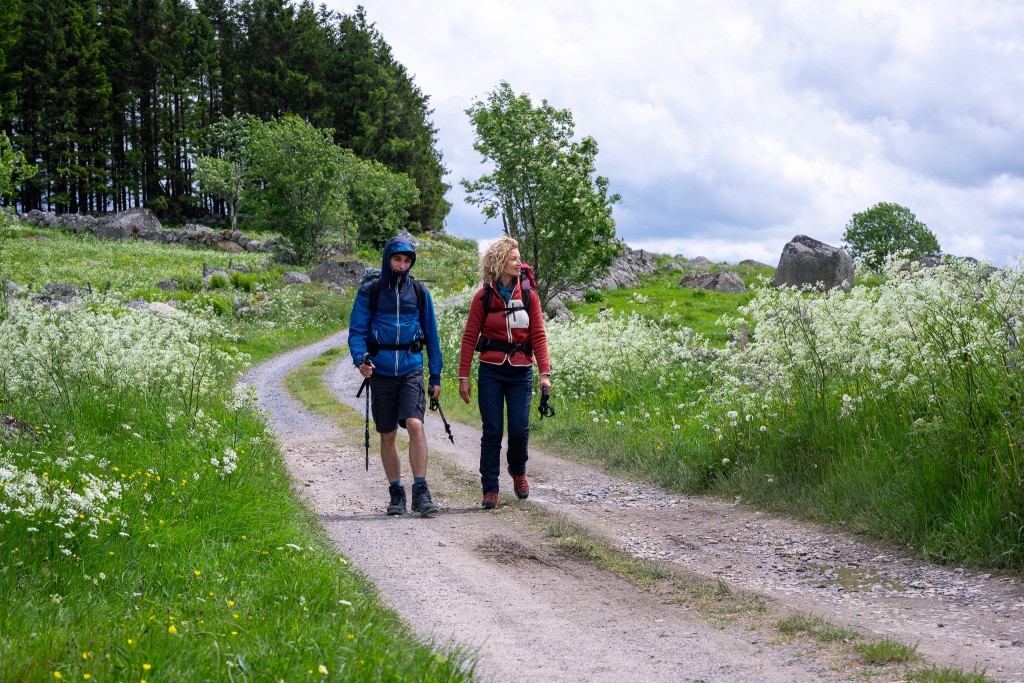
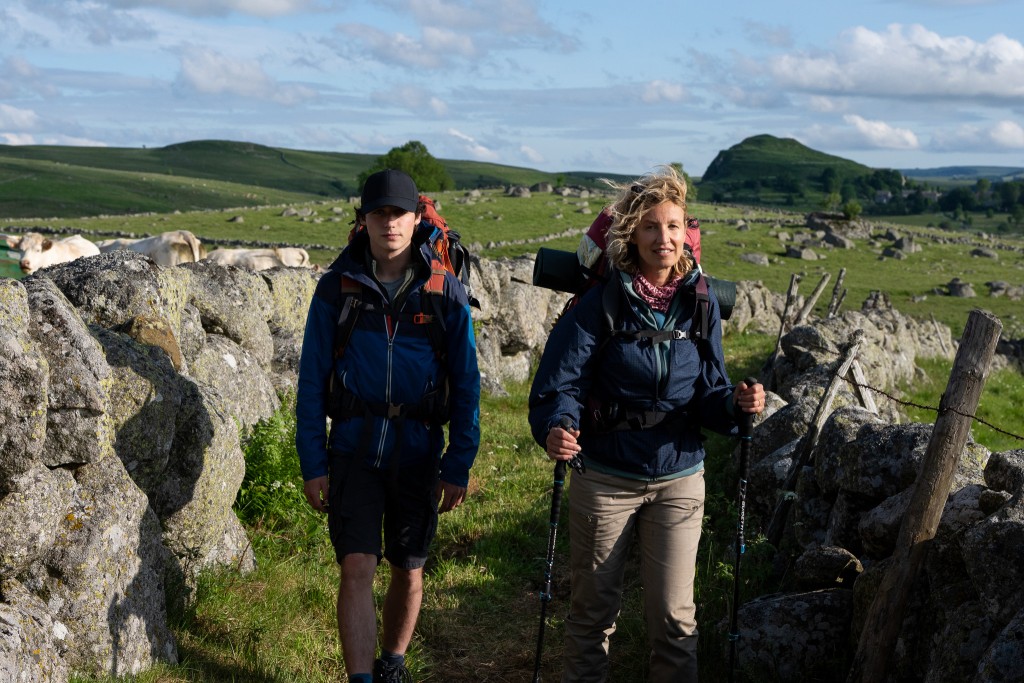
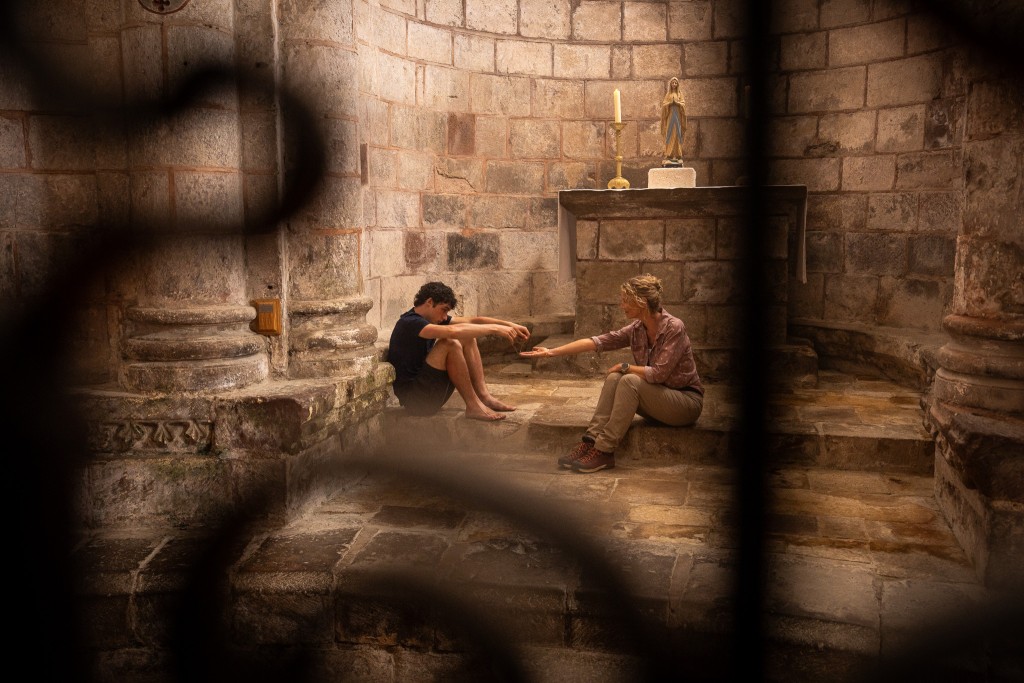
Based on a true story and Bernard Olivier’s book Walk And Forge Your Life, the French-language film follows Fred, a tough, outspoken woman carrying unresolved wounds of her own, and Adam, a rebellious teenager struggling with anger and a deep sense of abandonment. Brought together through a charity program, the pair are tasked with walking to Santiago de Compostela.
They are hardly obvious companions. Their difference in age is matched by opposing temperaments, and tensions emerge almost as soon as they begin walking. Yet there is nowhere particularly easy to escape to on a pilgrimage. Day after day, the road asks them to keep moving together.
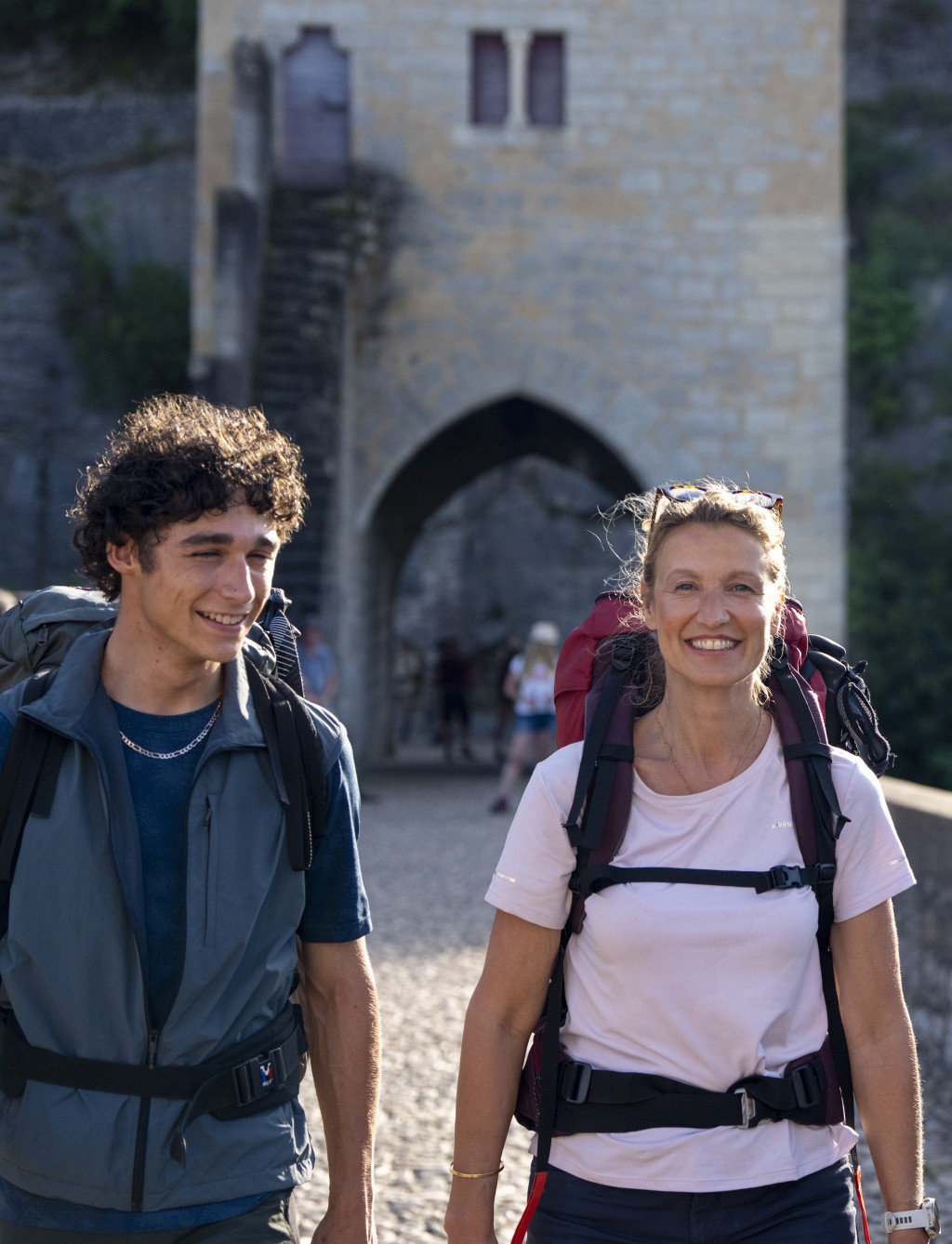
Alexandra Lamy plays Fred opposite newcomer Julien Le Berre as Adam, with Mélanie Doutey, Éric Métayer, Cyril Gueï and Malik Amraoui completing the cast. Samuell, whose previous films include Love Me If You Dare, War of the Buttons and The Lulus, once again turns his attention to relationships shaped by vulnerability and personal change.
Here, however, the landscape is as important as the dialogue.
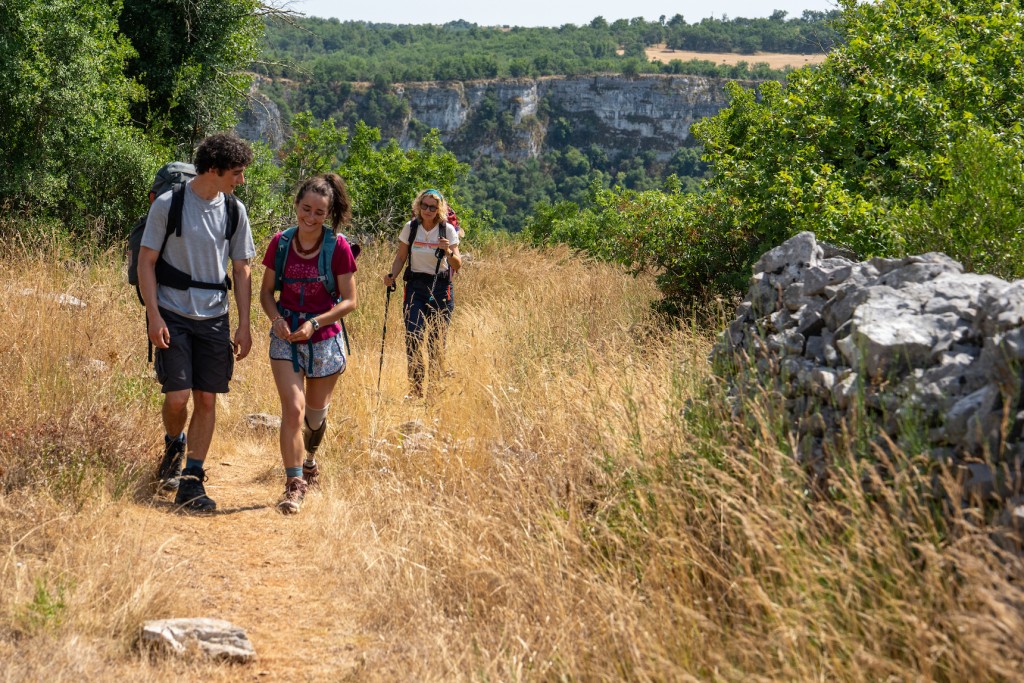
Filmed on location in France’s Auvergne-Rhône-Alpes region and along the route toward Santiago de Compostela in Spain, the film allows the Camino to unfold in all its physicality. There are changing skies and open roads, but also sore feet, fatigue, bad moods and the repetition of simply putting one foot in front of the other.
That repetition gives the film its emotional rhythm. Walking strips life back to its simplest components: where to sleep, what to eat, how far to go and whether there is enough strength left for the next stretch. Away from the constant demands and distractions of ordinary life, Fred and Adam are gradually left with fewer places to hide from themselves — or from each other.
The Camino has long attracted people searching for something that is difficult to name. For some it remains a religious pilgrimage; for others, an athletic undertaking, an escape or a period of reflection. Santiago: The Camino Therapy taps into a particularly contemporary longing within that tradition: the desire to slow down, reconnect with the physical world and find meaning beyond the noise of everyday life.
Yet Samuell’s story is less interested in presenting the Camino as a magical cure than in what can happen between people while walking it.
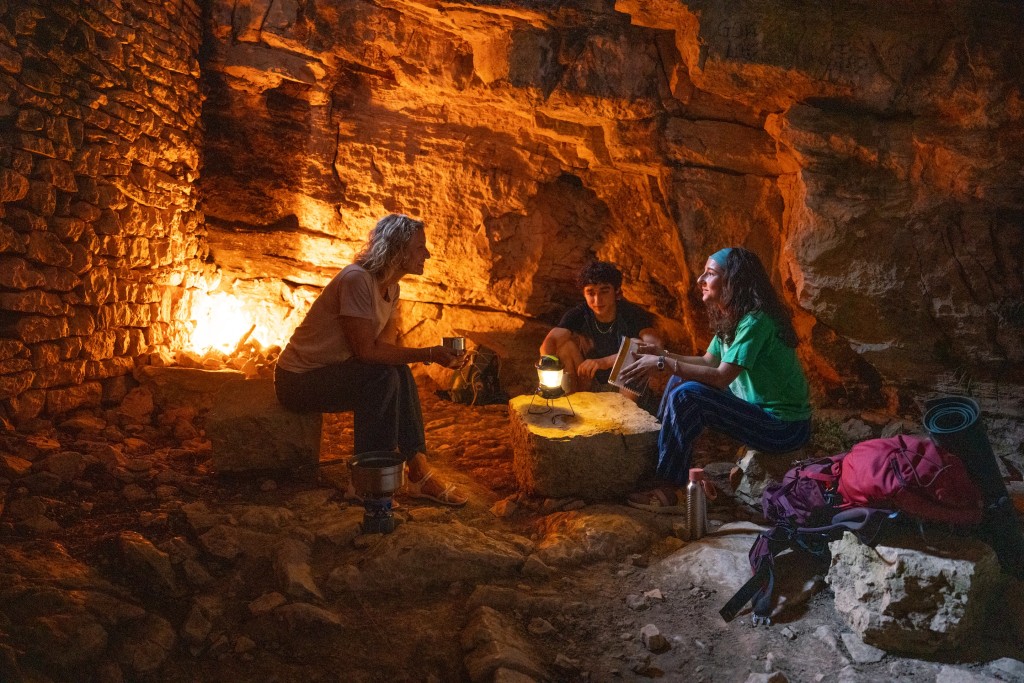
Along the route, strangers greet one another with a simple “Buen Camino.” Food, shelter, conversation and encouragement are shared among people who might otherwise have little in common. Social distinctions that feel immovable elsewhere — age, profession, background or status — matter rather less when everyone is walking the same road.
It is this spirit of connection that gives the film much of its warmth. Healing comes not only through landscapes or physical exertion, but through being noticed, listened to and cared for. A person does not necessarily need to provide an answer to make a difference; sometimes it is enough simply not to leave someone behind.
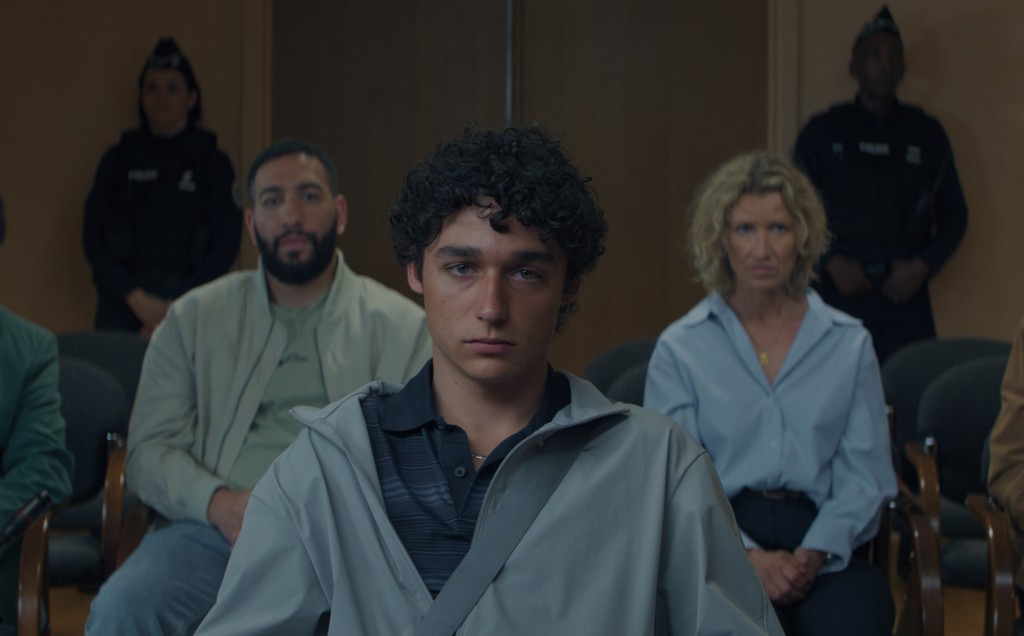
For Adam, that idea carries particular weight. His anger may make him difficult company, but the film looks beyond the convenient label of a “troubled teenager” to consider what might sit underneath it. Trust develops slowly, through effort rather than sentimentality. The journey suggests that young people in conflict with their families or society are not necessarily defined by the point at which others encounter them — and that care, responsibility and another chance can sometimes redirect a life.
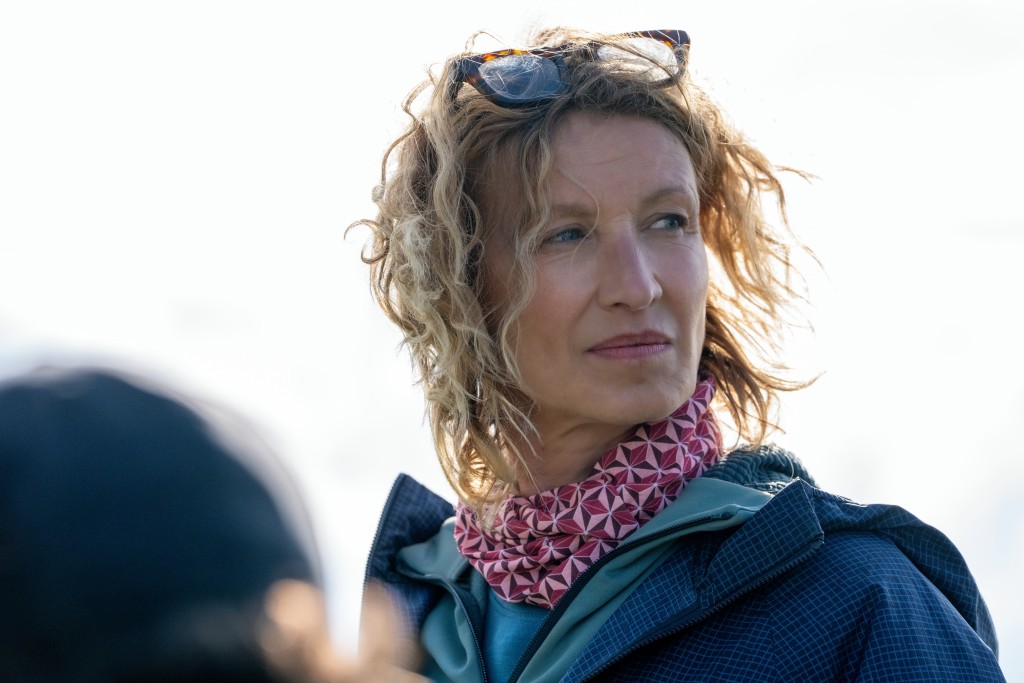
Fred, meanwhile, is not positioned simply as the adult with all the answers. She too is walking with a past that has not been fully resolved. As physical exhaustion wears down the defenses between them, their relationship shifts from confrontation to a more fragile form of mutual support. Each becomes, in different ways, responsible for helping the other continue.
+2
That reciprocity prevents Santiago: The Camino Therapy from settling into a conventional mentor-and-student story. Instead, it asks a gentler question: when people are struggling, how much of moving forward depends on finding someone willing to walk beside them for a while?
Blending comedy with drama, the film belongs to the tradition of stories in which an outward journey gradually becomes an inward one. But it also places particular emphasis on community rather than solitary conquest. The destination matters, but so do the encounters along the way.
In an age when days can disappear into screens, schedules and the next task demanding attention, there is something quietly appealing about a film built around walking 800 kilometers at human speed.
Perhaps that is the deeper invitation of Santiago: The Camino Therapy. Not everyone needs to walk across Spain to rethink the direction of their life. But the film leaves behind an appealing thought: sometimes progress begins not with knowing exactly where you are going, but with slowing down enough to notice who is walking beside you.
Santiago: The Camino Therapy opens in theaters August 27.