There is something especially unsettling about danger arriving at the front door.
ADVERTISEMENT
SCROLL TO CONTINUE WITH CONTENT
Dinosaurs have long belonged to lost islands, remote jungles and worlds safely removed from everyday life. In The End of Oak Street, director David Robert Mitchell brings them somewhere far more familiar: a quiet American suburb of neat lawns, family homes and seemingly ordinary lives.
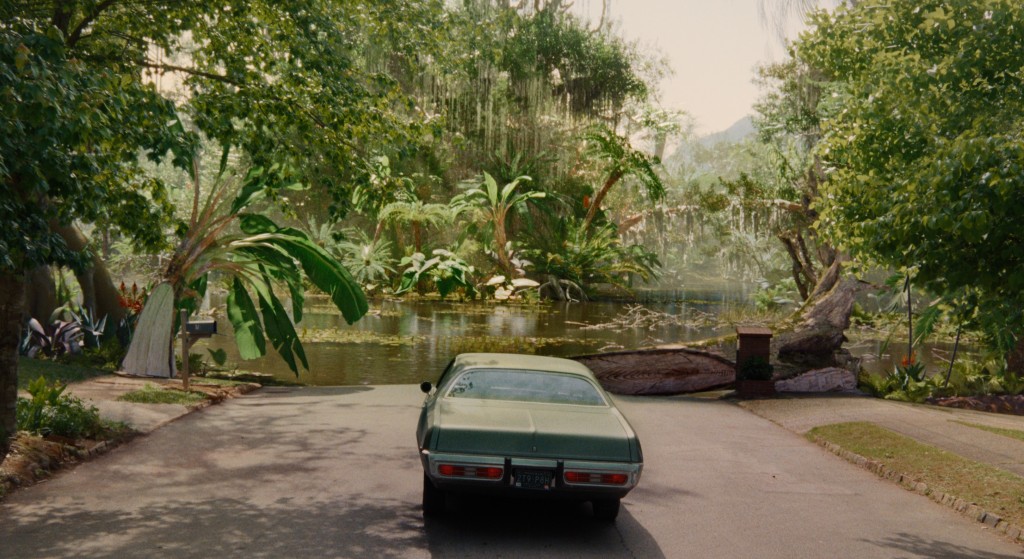
When a mysterious cosmic event tears Oak Street from its surroundings and deposits the neighborhood somewhere unknown, the backyard suddenly becomes wilderness and the family home a place to defend.
Opening in Hong Kong cinemas on August 13, the sci-fi survival adventure pairs Anne Hathaway and Ewan McGregor on screen for the first time, with Mitchell writing and directing and J.J. Abrams among its producers.
On paper, the dinosaurs are naturally the attraction. Yet The End of Oak Street appears more interested in what happens when extraordinary danger exposes the cracks already hiding beneath ordinary domestic life.
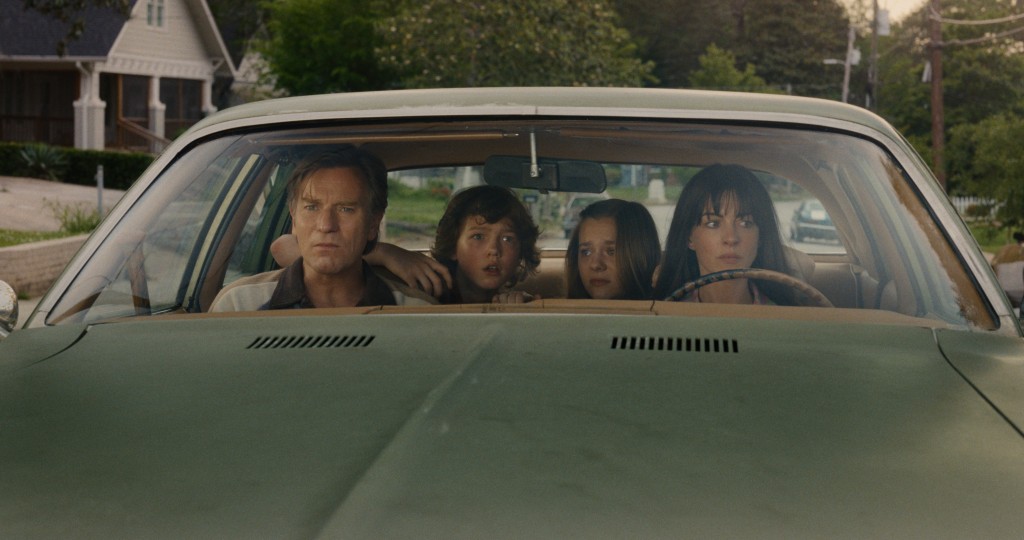
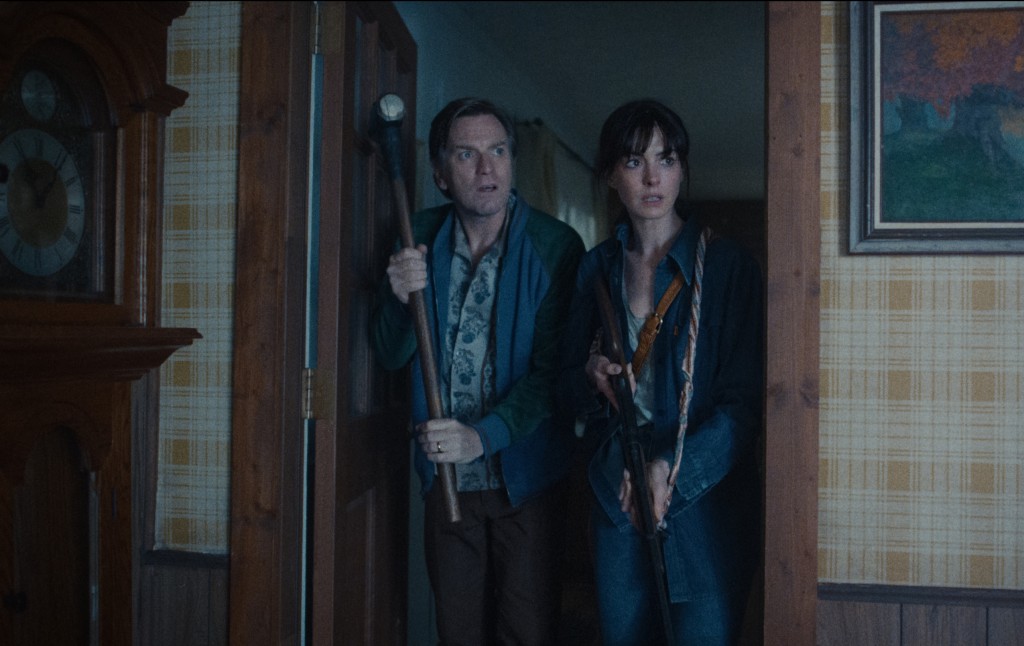
Hathaway and McGregor play Denise and Greg Platt, parents whose marriage and family are already under strain before their neighborhood begins to unravel.
Greg is hiding problems at work, while Denise finds herself questioning the direction her own life has taken. Their children have private worlds of their own.
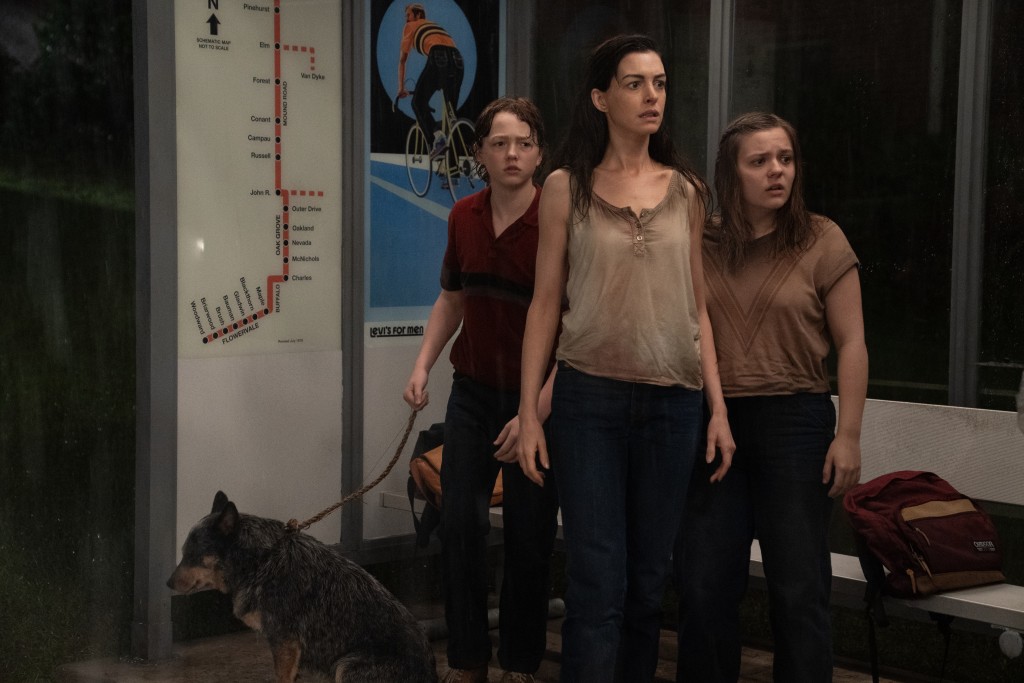
Suddenly placed in an environment where prehistoric creatures roam beyond the walls, the family can no longer afford to remain emotionally distant. Survival becomes as much about learning to trust one another again as outrunning what is outside.
It is a familiar emotional framework dressed in wonderfully strange clothes. A suburban street overtaken by prehistoric vegetation and enormous predators has the playful improbability of an old-fashioned summer blockbuster, while Mitchell brings to it the unease that defined his earlier work.
His 2014 horror film It Follows found terror in streets, houses and spaces that looked entirely normal; here, normality is again the starting point before reality quietly gives way.
The film also embraces the visual language of 1980s adventure cinema. Rather than placing its family in a sleek contemporary world of smartphones and instant answers, Mitchell leans into the atmosphere of an earlier generation of family adventure films, allowing the mystery and danger to unfold with a more old-fashioned sense of discovery.
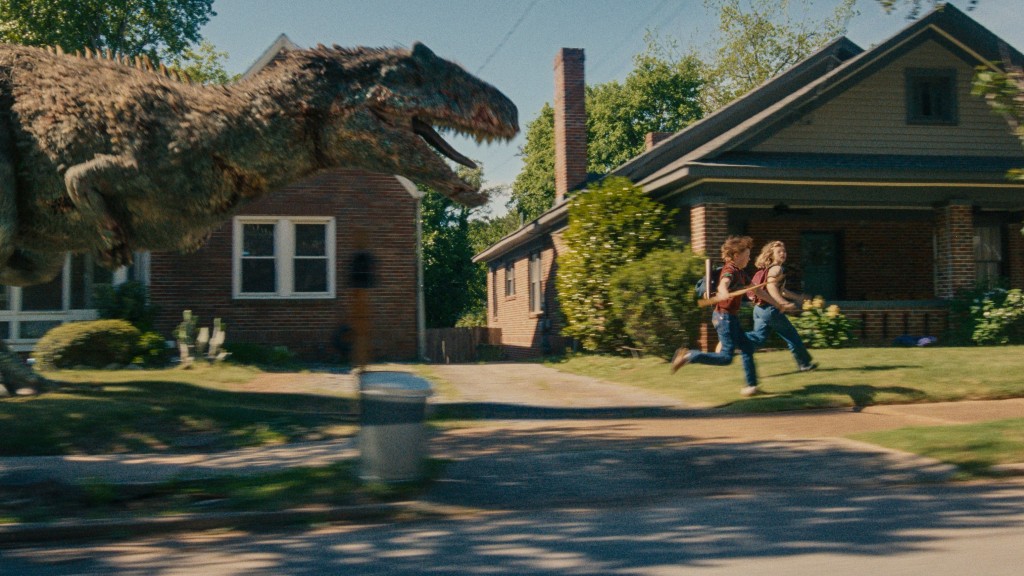
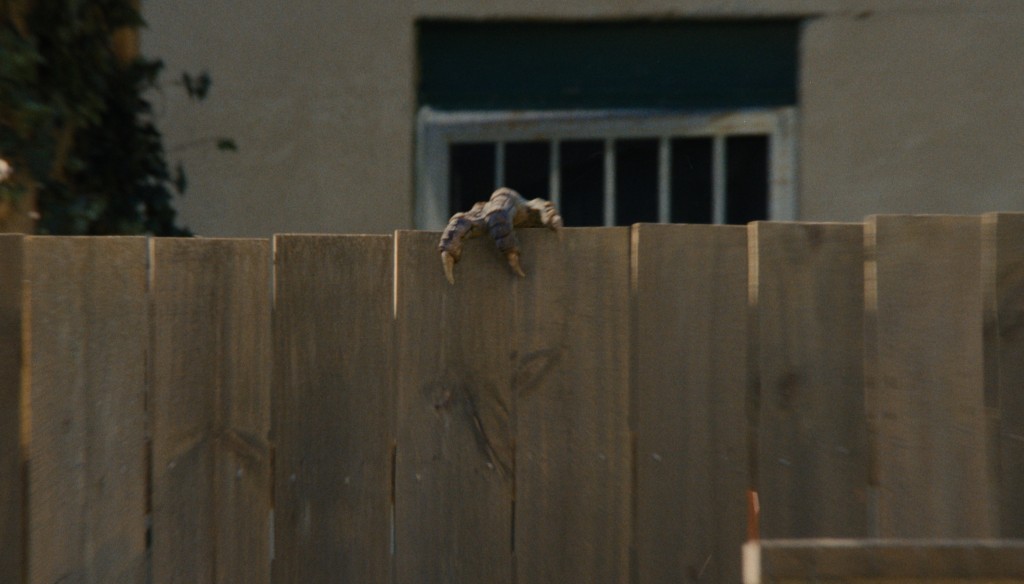
And there is plenty of danger for the family to outrun. Among the prehistoric threats is Coelophysis, a predator rarely seen in mainstream dinosaur cinema and presented here as a vividly feathered, fast-moving hunter that travels in packs. Its speed and numbers give it a different kind of menace from the hulking dinosaurs audiences may be more familiar with, turning ordinary suburban spaces into hunting grounds.
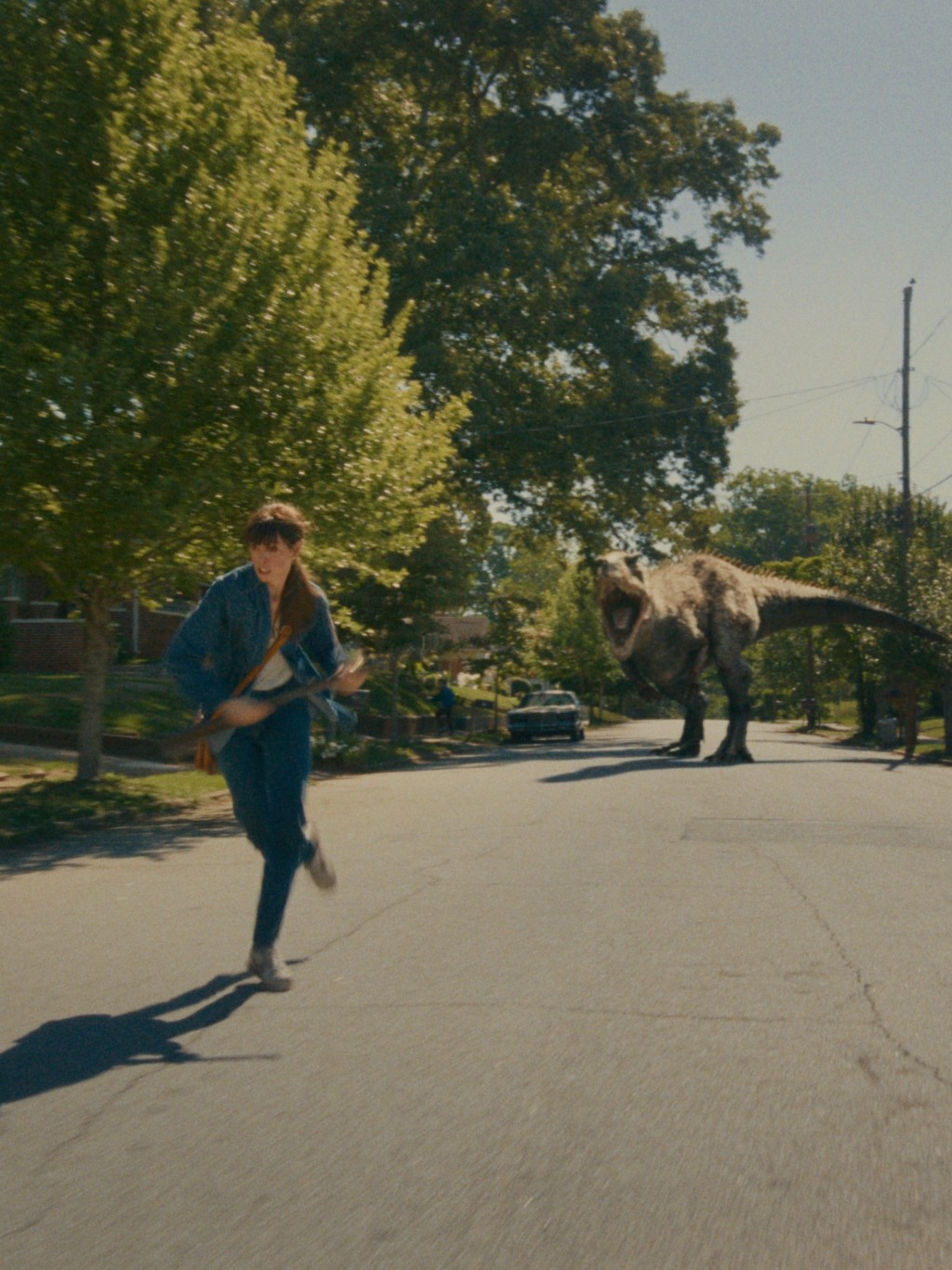
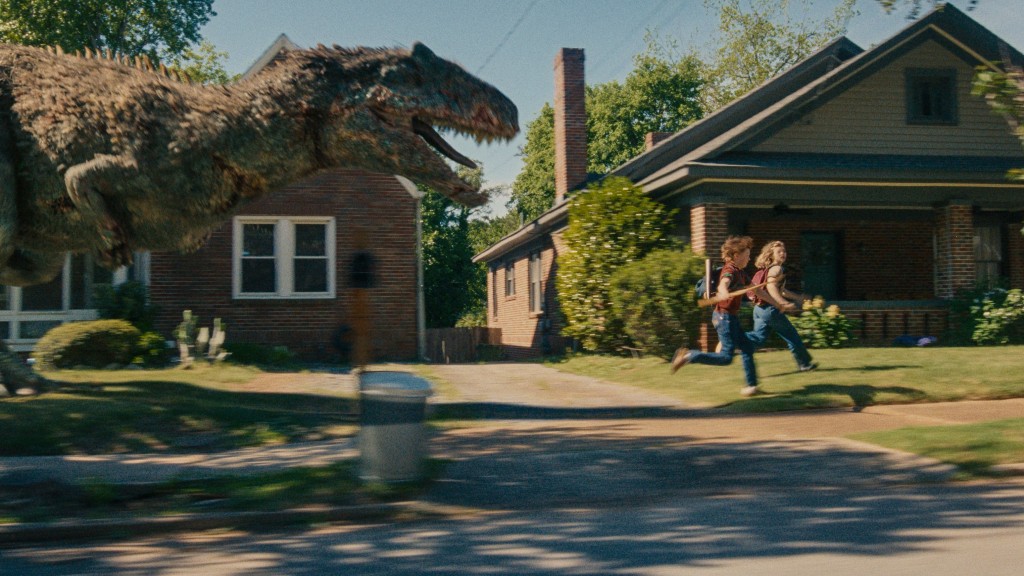
Larger predators, including Allosaurus and Spinosaurus, enter the picture alongside pterosaurs swooping overhead. Rather than keeping its creatures safely beyond some distant jungle canopy, the film places them beside driveways, supermarkets and white picket fences. A backyard, parking lot or family car can suddenly become the center of a chase.
Industrial Light & Magic handled the visual effects, building creatures whose scale feels especially intrusive against such commonplace surroundings. That contrast gives the action much of its tension: the more familiar the setting, the more unsettling it becomes when something prehistoric steps into frame.
And perhaps that is the film's neatest trick. For all the teeth, claws and cosmic mystery, its stakes remain surprisingly intimate.
+1
The Platts do not set out to save humanity. They are simply trying to keep their family alive — and, somewhere amid the panic, perhaps piece it back together. It gives The End of Oak Street the makings of an unusually warm disaster movie: one where the apocalypse arrives with dinosaurs, but the real question is whether four people who have drifted apart can find their way back to one another.
In a summer built for spectacle, prehistoric monsters stomping through suburbia provide the obvious thrill. But the quieter idea beneath them may prove more enduring: when everything familiar disappears, home is no longer a street or a house. It is the people still running beside you.