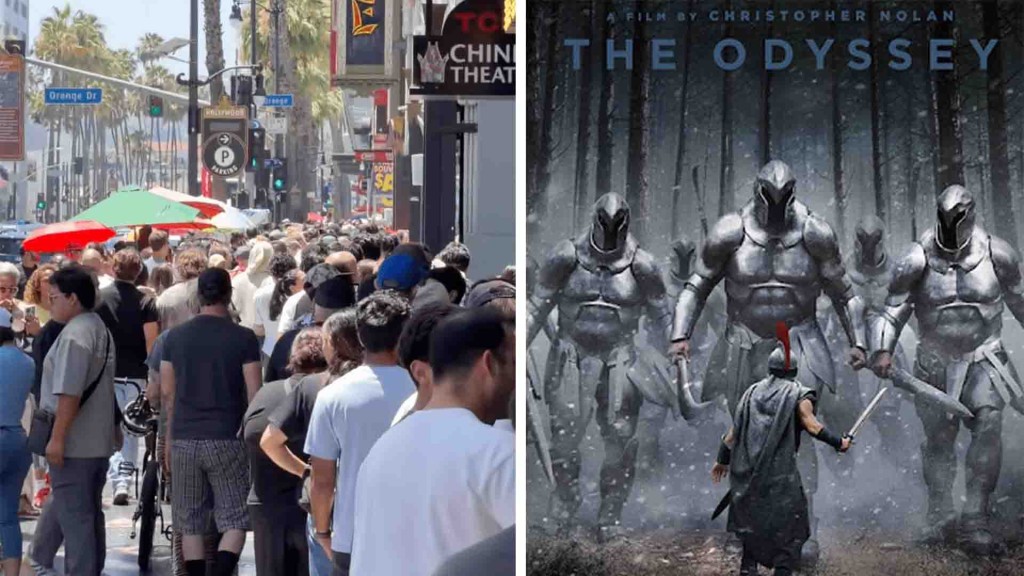
Christopher Nolan is returning to the big screen with The Odyssey, a mythic action epic that brings one of Western literature’s oldest journeys into the language of modern cinema.
ADVERTISEMENT
SCROLL TO CONTINUE WITH CONTENT
Presented by Universal Pictures, the film marks Nolan’s first feature after Oppenheimer and sees the Oscar-winning director take on Homer’s ancient Greek poem about Odysseus, the warrior-king who begins a long and perilous journey home after the Trojan War.
The story is familiar in outline but vast in emotional scale. It is a tale of war, temptation, endurance and reunion, as Odysseus faces one trial after another in his attempt to return to Ithaca and to the woman he loves.
For audiences, the appeal lies not only in the legend itself, but in how Nolan chooses to rebuild it. Known for large-format images, practical scale and stories shaped by time, memory and moral conflict, the director now turns his attention to a world of gods, monsters and human longing.
A classic through modern lens
The Odyssey has lasted for thousands of years because its central question remains deeply human: how far will a person go to return home?
Nolan’s adaptation is expected to approach the myth with a grounded and contemporary sensibility, giving the ancient epic a tone that speaks to modern audiences while preserving its sense of grandeur.
A cast built for scale
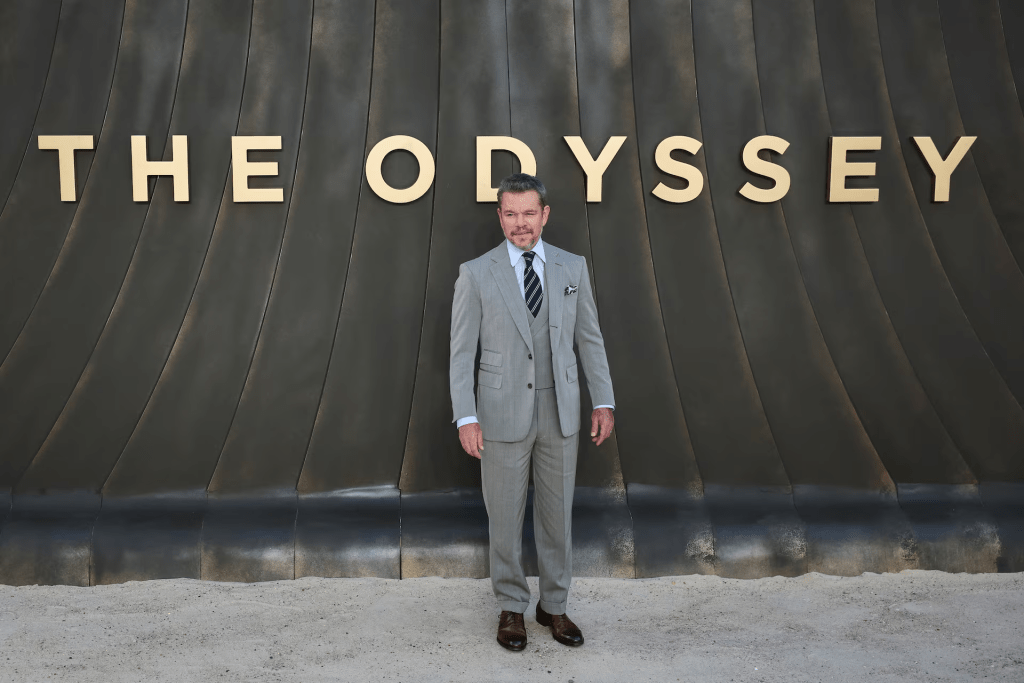
Matt Damon stars as Odysseus, portrayed not simply as an untouchable hero, but as a man shaped by fear, desire, mistakes and endurance.
Anne Hathaway plays Penelope, whose intelligence and patience stand at the emotional center of the story, while Tom Holland takes on the role of Telemachus, Odysseus’ son, as he moves from boyhood toward maturity.
The ensemble also includes Robert Pattinson, Lupita Nyong’o, Samantha Morton, John Leguizamo, Zendaya, Charlize Theron, Jon Bernthal, Himesh Patel, Bill Irwin, Elliot Page, Benny Safdie, Corey Hawkins and Mia Goth.
IMAX as part of the journey
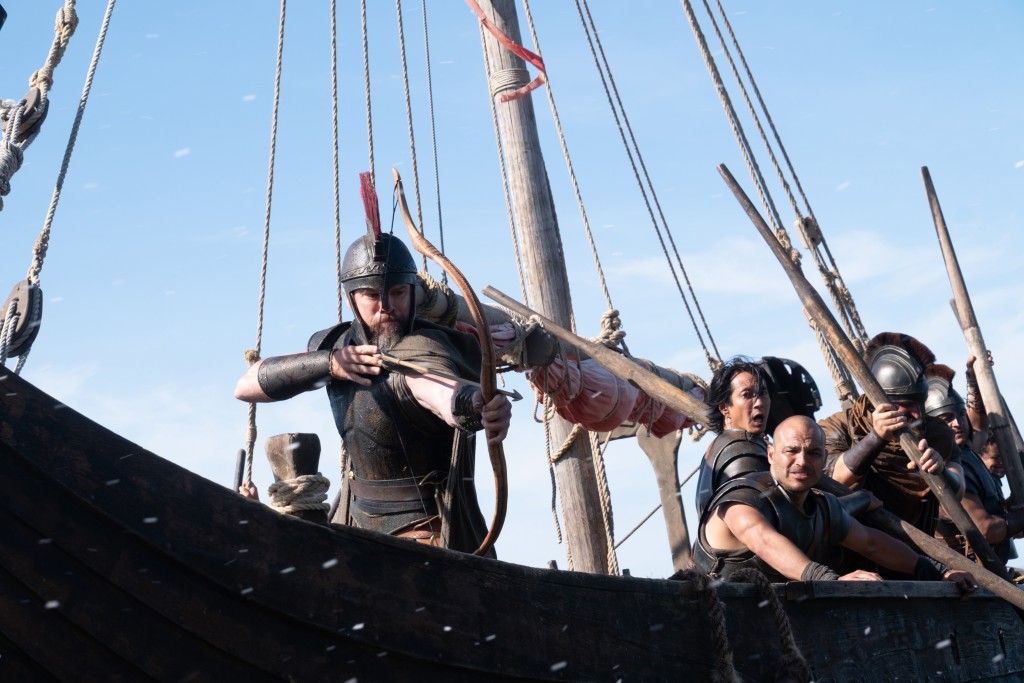
The Odyssey is billed as the first feature film shot entirely with IMAX film cameras. For a story built on sea voyages, war, strange lands and impossible encounters, the format is more than a technical choice. It is part of the experience.
The large-format images are expected to give the film a sense of physical scale, drawing audiences closer to the danger, beauty and isolation of Odysseus’ journey.
A world built across real landscapes
The production spans locations including Morocco, Greece, Italy, Iceland and Scotland, with real settings used to create a more immersive mythological world.
From Troy to Ithaca, from the sea to the underworld, the film places its epic imagination against landscapes that feel weathered, vast and lived in.
A Nolan film at full force
The Odyssey brings together many ideas that have long defined Nolan’s work: fractured journeys, moral pressure, emotional distance, survival and the pull of home.
After Oppenheimer, Dunkirk, Interstellar, Inception and Tenet, this new film feels like a natural extension of his career-long interest in human beings pushed to the edge of time, space and belief.
In the end, The Odyssey is not only a story about a man trying to return home. It is also a reminder that the oldest stories can still feel urgent when told with new eyes, a vast screen and a beating human heart.