Read More

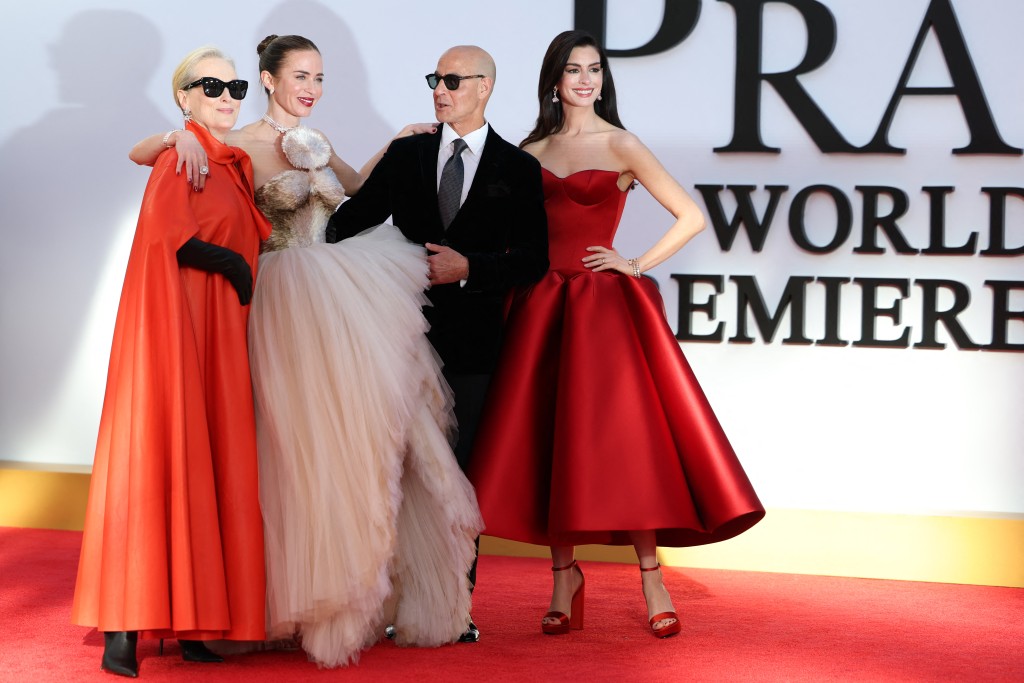
'The Devil Wears Prada 2' stars reunite for glamorous premiere
21-04-2026 19:51 HKT
Taylor Swift sets new record at MTV VMAs
28-09-2026 18:36 HKT
Aaron Kwok to stage New Year concerts at Kai Tak Stadium
21-09-2026 16:07 HKT


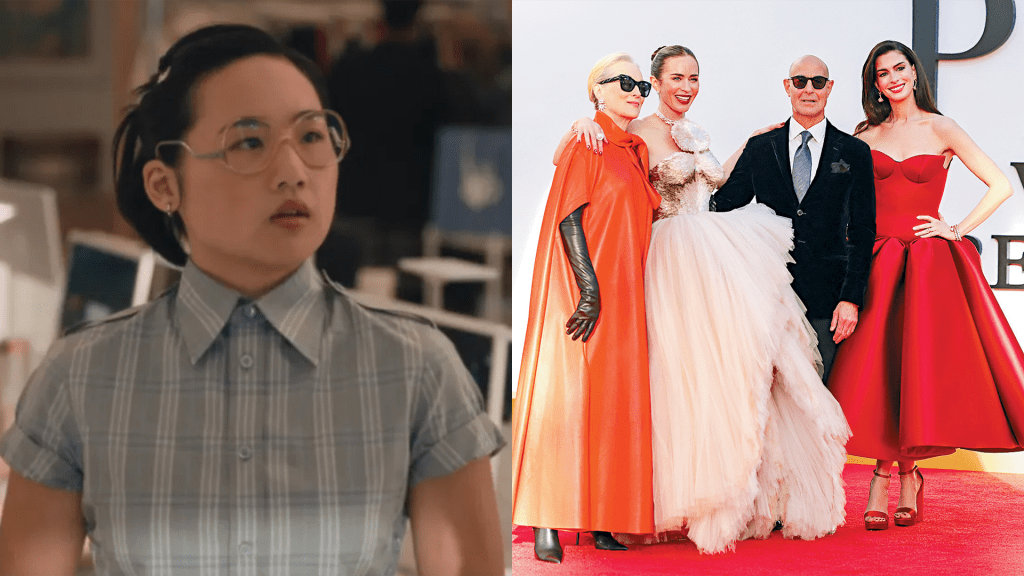
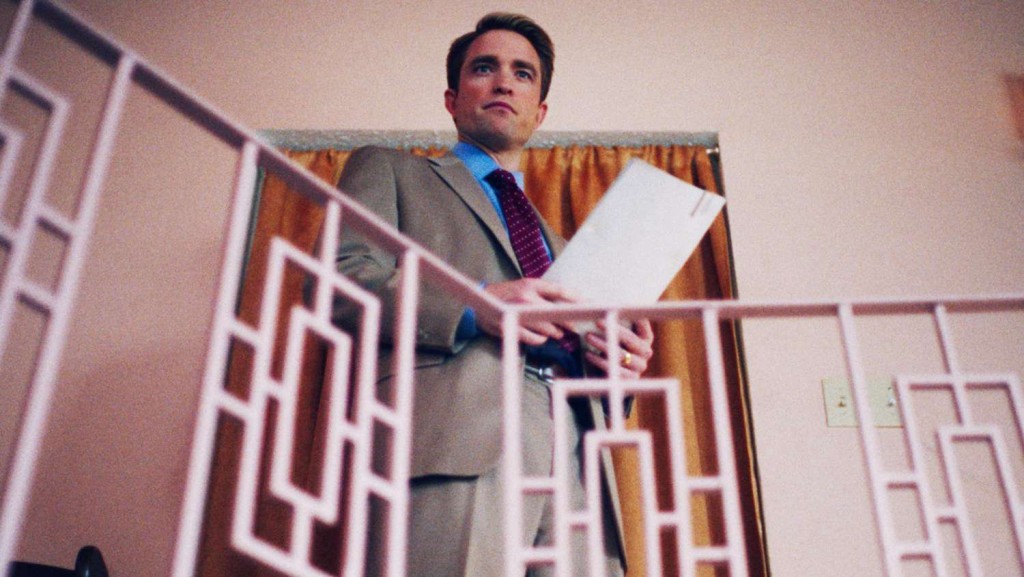
The highly anticipated Hollywood sequel The Devil Wears Prada 2, starring Meryl Streep and Anne Hathaway, has become embroiled in controversy over allegations of racial insensitivity and the stereotypical portrayal of an Asian character. What was initially welcomed as a nostalgic return to the world of high fashion has instead evolved into a broader debate about representation in global cinema.
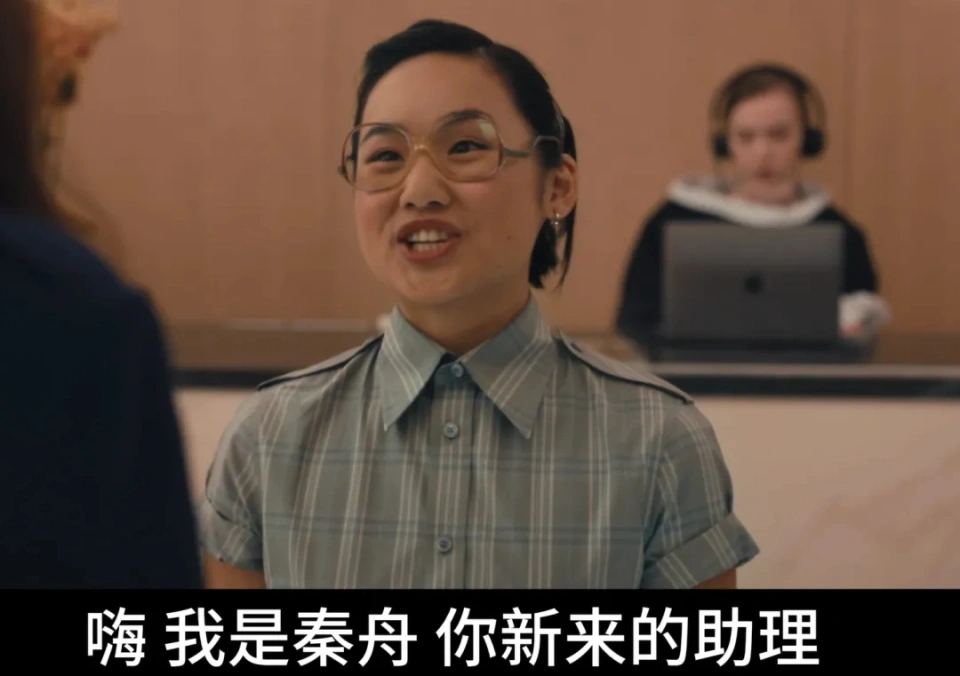
At the center of the discussion is a newly introduced Asian assistant to protagonist Andy, reportedly named “Qin Zhou.” Some online users argue that its pronunciation echoes “Ching Chong,” a term widely condemned as a racial slur against East Asian communities. While critics view the naming as insensitive, others suggest it may stem from transliteration issues or misunderstanding.
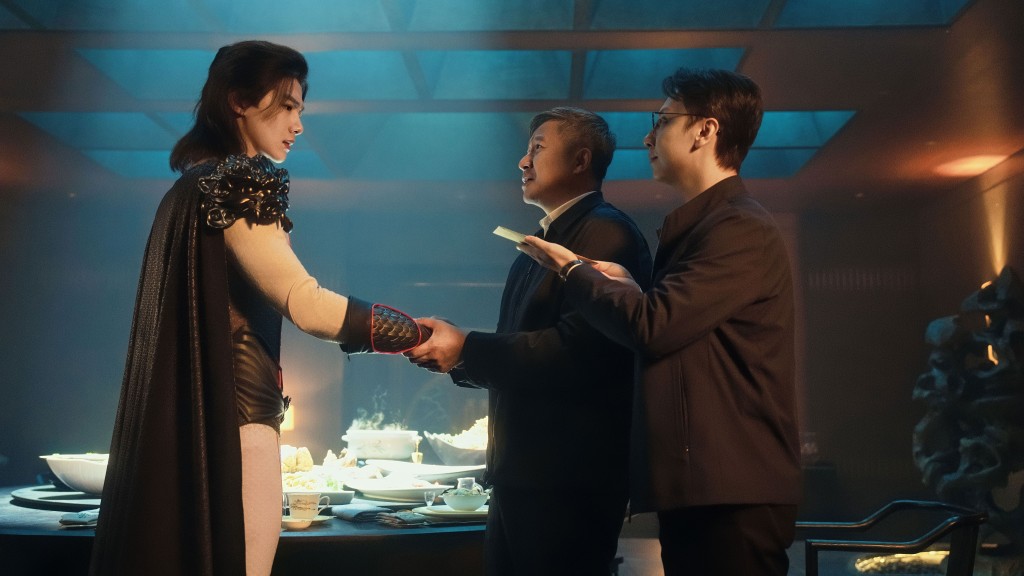
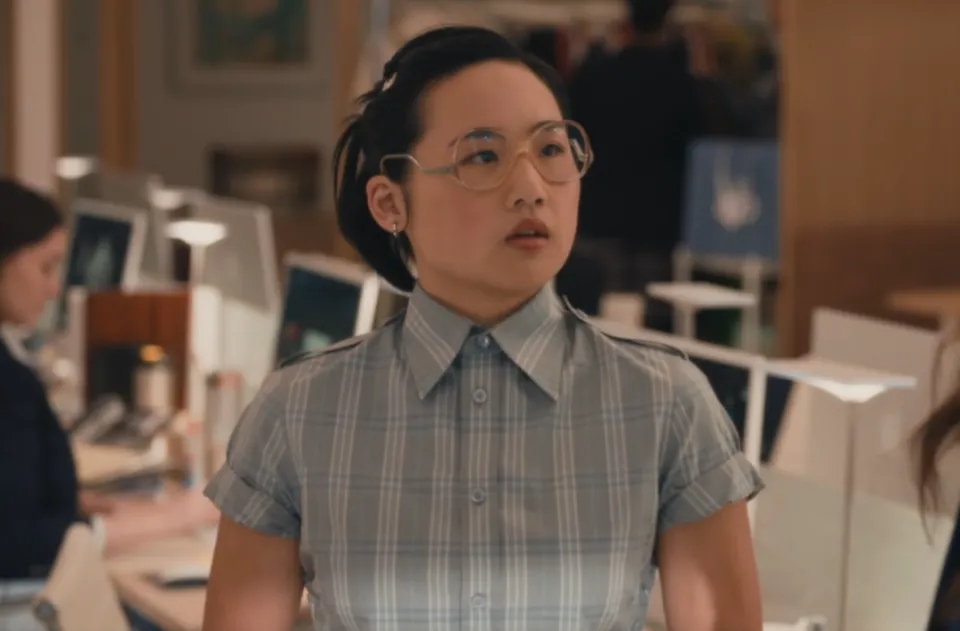
Beyond the name, attention has turned to the character’s visual and narrative construction. In leaked footage, she is depicted in conservative clothing, glasses, and a restrained appearance—an aesthetic contrast to the highly stylized fashion world of other characters.
Critics argue that this reinforces familiar stereotypes of Asians as “bookish,” socially awkward, or unfashionable. In one scene, she introduces herself by highlighting elite academic credentials, which some interpret as a continuation of the “high-achieving but socially inept” trope. Her exaggerated expressions have further been described as contributing to a comedic, stereotyped framing.
The controversy has also extended into wider public reaction, particularly in China, where discussions have intensified ahead of the film’s expected release during the May Day holiday season. Some viewers have called for boycotts, while others have questioned the accuracy of circulating claims about the character’s portrayal and naming, with some reports suggesting the name may in fact be “Jen Chao,” adding further uncertainty to the discussion.
The conversation has also expanded into comparisons across markets, including differences in promotional strategies and celebrity visibility. A promotional event in Shanghai featuring several mainland stars, alongside a separate Korean campaign fronted by IVE’s Jang Wonyoung, has fueled online discourse in which representation is increasingly interpreted through the language of image, status, and visibility.
As of now, the production team has remained silent, but the absence of a response has not slowed the discourse.
The controversy reflects a long-standing pattern in Hollywood’s portrayal of Asian characters, where representation has often relied on familiar stereotypes or narrative shorthand. While recent films such as Crazy Rich Asians (2018) and Everything Everywhere All at Once (2022) signal greater visibility, ongoing debates suggest that questions of depth, nuance, and agency in Asian representation remain unresolved in global cinema.