In the past, human interaction with machines was limited to touch points and voice commands.
With the advent of fifth-generation mobile connectivity, artificial intelligence and the Internet of Things, we are on the cusp of a revolutionary shift in how we communicate with machines.
To kick off the new year, I want to examine the promises and possible use cases of this new era of man-machine interaction.
Let's start to imagine a future where machines understand our gestures, anticipate our needs and respond to our environment in real time.
First, AI lies at the heart of this transformation in enhancing interaction.
AI enables machines to understand, interpret and respond to human inputs in ways that were previously unimaginable.
Natural language processing and machine learning algorithms allow machines to comprehend and generate human language, making interactions more seamless and human-like.
AI also powers computer vision, enabling machines to recognize and respond to visual cues, and emotional AI, which can detect and respond to human emotions.
For instance, AI-driven virtual assistants like Siri, Alexa and Google Assistant have already become integral parts of many households, providing a glimpse into the future of man-machine interaction.
They can interact with IoT devices to perform tasks such as control lighting, temperature and security based on voice commands, learn from user behavior, engage in meaningful conversations and create a personalized and intuitive living experience.
The introduction of 5G networks is the second factor.
5G offers ultra-fast internet speeds, low latency and massive connectivity, enabling real-time communication between devices.
This enhanced connectivity is crucial for a seamless and immersive user experience.
The high bandwidth of 5G also supports the transmission of vast amounts of data, enabling more complex and data-intensive AI applications.
With 5G, the lag between sending a command and receiving a response is reduced to milliseconds, making interactions almost instantaneous.
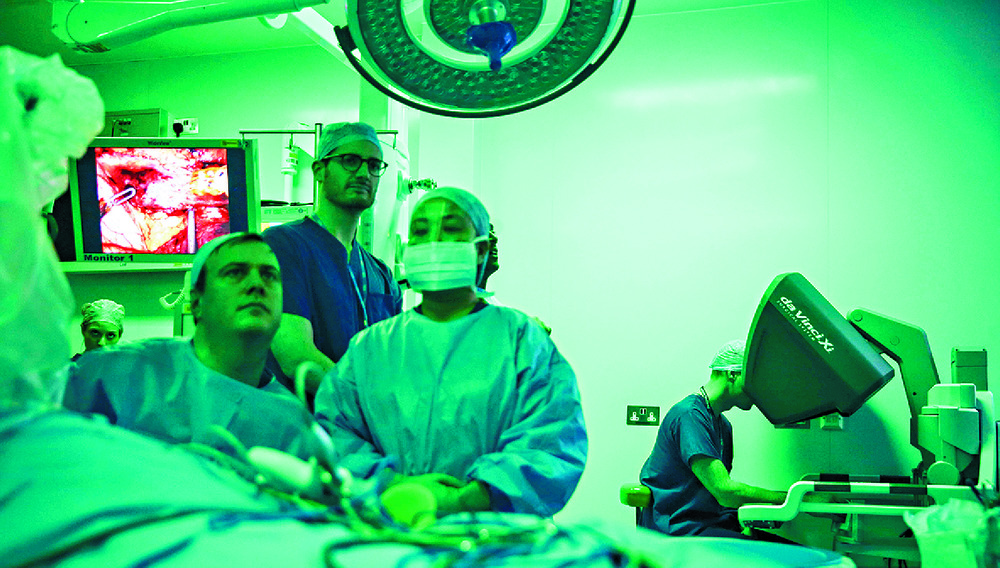
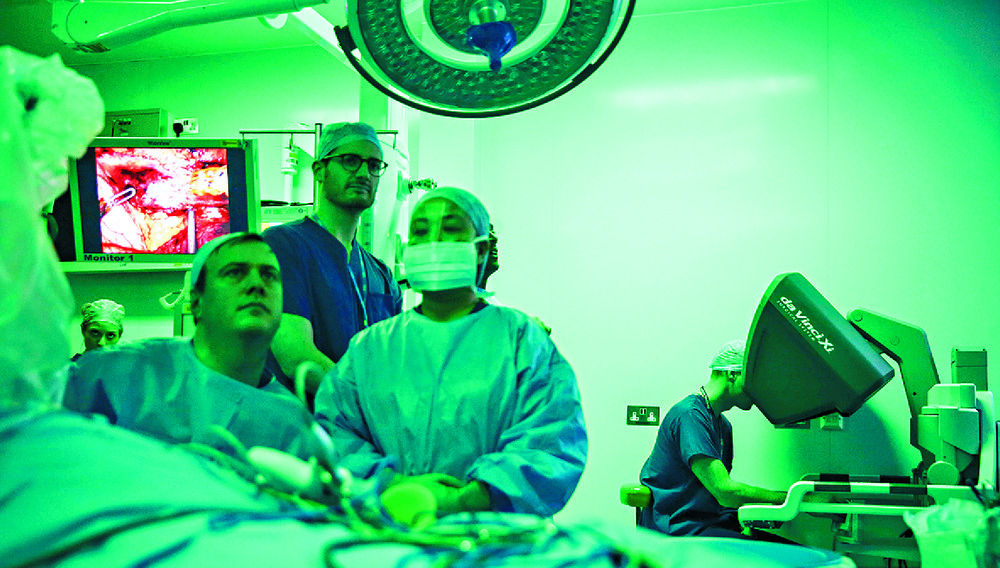
This is particularly beneficial in health care, where surgeons can perform remote operations with robotic assistance or in manufacturing, where real-time data from IoT sensors can optimize production processes.
In hospitals, IoT-enabled devices, such as wearables and medical sensors, can monitor patients' vital signs in real-time and alert medical staff to any anomalies.
5G ensures that this data is transmitted quickly and reliably, enabling timely interventions.
Third, the interconnected network of devices forms the backbone of the new era of man-machine interaction.
IoT devices, equipped with sensors and actuators, can gather real-time data from their environment and communicate it to AI systems for analysis and decision-making.
In manufacturing plants, expensive machines can anticipate failures and schedule maintenance before a breakdown occurs, reducing downtime and costs.
In agriculture, farmers can use IoT sensors to monitor soil conditions, crop health and weather patterns.
5G networks enable vast real-time data collection and AI algorithms process data to optimize irrigation schedules, pest control measures and improve yields.
The convergence of AI, 5G and IoT enables more natural and intuitive ways of communication with machines.
Gesture or facial recognition, voice commands and even brain-computer interfaces are becoming viable methods of interacting.
These technologies allow machines to understand and respond to human inputs in ways that mimic human-to-human interaction.
For example, smart mirrors equipped with AI and IoT can recognize a customer's face, suggest products based on previous purchases and preferences and provide personalized health and fitness information.
Similarly, advanced AI-driven robots can understand and respond to human gestures and emotions, making interactions more engaging and lifelike.
The new era promises more natural and intuitive ways of interaction, transforming the landscape of man-machine interaction in profound ways.
However, this transformation also comes with challenges.
Ensuring data privacy and security is paramount, as the increased connectivity and data exchange create vulnerabilities.
Ethical considerations regarding decision-making by artificial intelligence and the potential impact on jobs and society must also be addressed.
The future of man-machine interaction is bright and the possibilities are endless.
Dr Jolly Wong is a policy fellow at the Centre for Science and Policy,
University of Cambridge
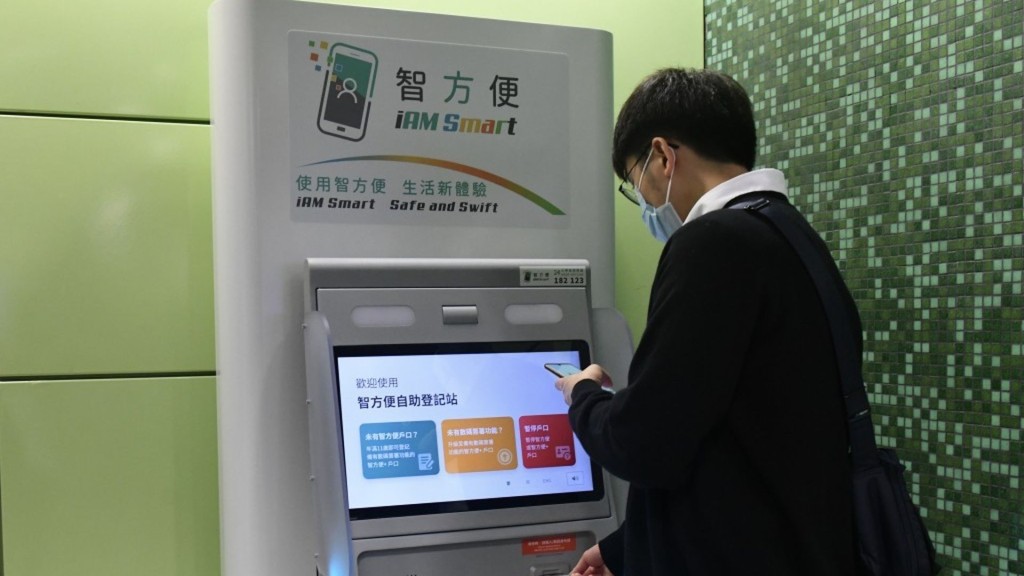
On the cusp of a new technological revolution are, clockwise from above left, smart mirrors that monitor your vital signs; a da Vinci XI robot being used in a highly complex cancer operation in London to remove a tumor of the esophagus at the junctio