The news for HSBC could hardly have been worse. After staggering from crisis to crisis for more years than anyone cares to think about, the bank is now accused of facilitating the "flow of dirty money."
A collection of 2,000 suspicious activity reports has exposed how British banks, including HSBC and Standard Chartered, enabled fraudsters, criminals and money-launderers to transfer illicit money worldwide.
Needless to say, the news did not help HSBC's share price, which in Hong Kong plummeted to a new nadir below HK$28, the lowest since 1995 and 80 percent below the 2007 price. Pessimists ask if a HSBC share that costs nothing is possible?
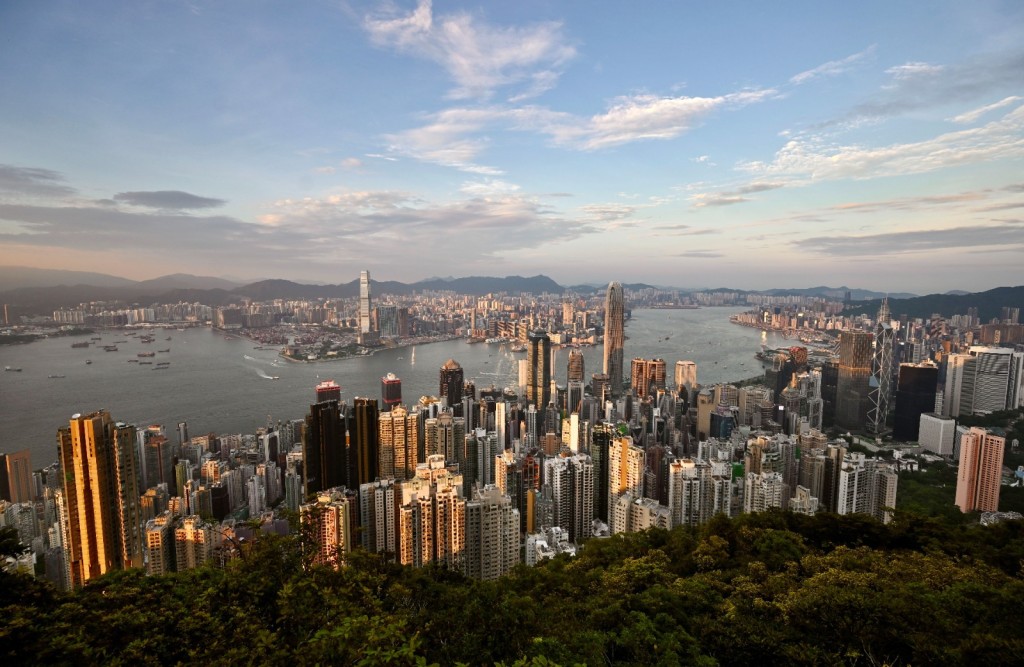
What is to be done with one of Hong Kong's most-loved institutions, a bank that was once considered as safe as real estate until it exiled itself from Hong Kong's Central to London's Canary Wharf?
Despite its travails, it remains a very big bank. As of August, HSBC had assets of US$2.72 trillion (HK$21.2 trillion), making it number six in the world and number one in Europe.
Even after the latest share price calamity, its capitalization is a whopping HK$630 billion.
But therein lies the problem. Because it is headquartered in London, it is always ranked as a British bank, but that is to be economical with the truth. It's a misnomer, a misleading subterfuge because most of its profits derive not from the UK but from Hong Kong.
The truth is that the Hongkong & Shanghai Banking Corp (let's give it its correct and accurate name) is primarily an east Asian bank with European outposts because a legal document dated March 25, 1991, shifted its domicile from Hong Kong to London.
It's a legal pretense, and a very expensive one too. The British authorities have forbidden HSBC (along with other British banks) from paying a dividend this year, despite Hong Kong being the base of both its profits (80 percent) and shareholders.
Another problem is that the clever marketing slogan "The world's local bank" became not so clever. It had to be dropped when it became untrue as the bank rushed to make itself smaller, giving up businesses, reducing employees, closing offices. Yet it still avoids the inevitable.
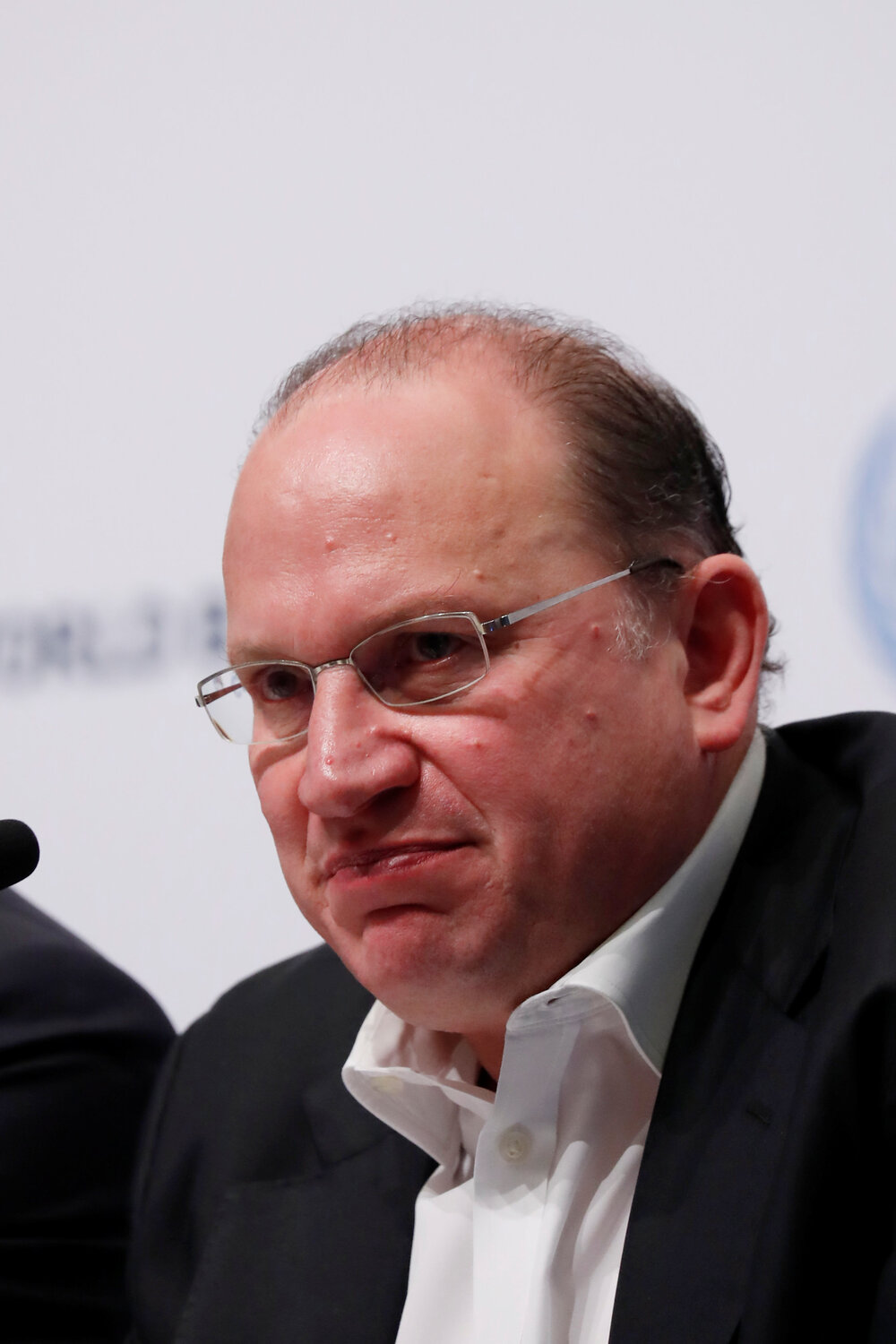
I am sure Mark Tucker, chairman of the bank since 2017, understands HSBC's dilemma.
He is an old Hong Kong hand, an adept and astute businessman who ran AIA with brilliant success for many years. He also has a reputation as a "bruiser" or a tough, no-nonsense manager.
All the bank's multifarious problems are coming to an ugly and painful head. Decision time looms for its future and reputation. If it continues on its present path, it will merely decline, become smaller, drop in significance and lose its Asian business to rivals.
If, however, it splits itself in two and becomes two banks, one of those banks (the one that is headquartered in Hong Kong) could have a brilliant future.
I don't know what would happen to the bit left behind in London but I guess it would become a middle-ranking British bank much like Barclays or Lloyds, but with more international reach.
The Hong Kong bit - let's call it Hongkong Bank for good fortune and memory's sake - would be hugely profitable.
It would have a golden future ahead of it in mainland China. It would need local Chinese directors and managers though, of course. It would be unencumbered by old colonial ties and would no longer have to wrestle with divided political loyalties. It would be Hong Kong-, not UK-, owned.
Its profits tax would be paid to the Hong Kong government, not the British government, which would be so much fairer than the present arrangement.
So, please, please, Mark Tucker do what you know in your bones must be done if "The Bank" is to be saved. Sharpen your knife, instruct the lawyers, and give back to Hong Kong what rightfully belongs here. It's a decision you will never regret and Hong Kong will love you for it forever. What's not to like?
Cheng Huan is an author and a senior counsel who practices in Hong Kong
HSBC had marketed itself as 'The world's local bank' in the 2000s. Inset: Mark Tucker. AFP / Reuters