Amid the excitement and fanfare over the opening of the East Rail line extension to Hong Kong Island last week, commuters have found a new convenience in getting to work from the northeast New Territories with shorter and more reliable travelling times.
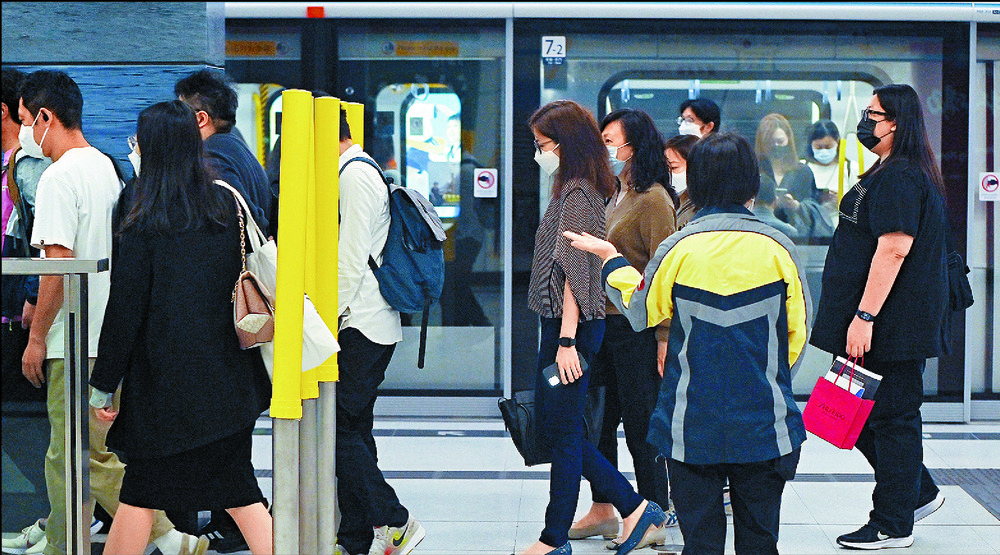
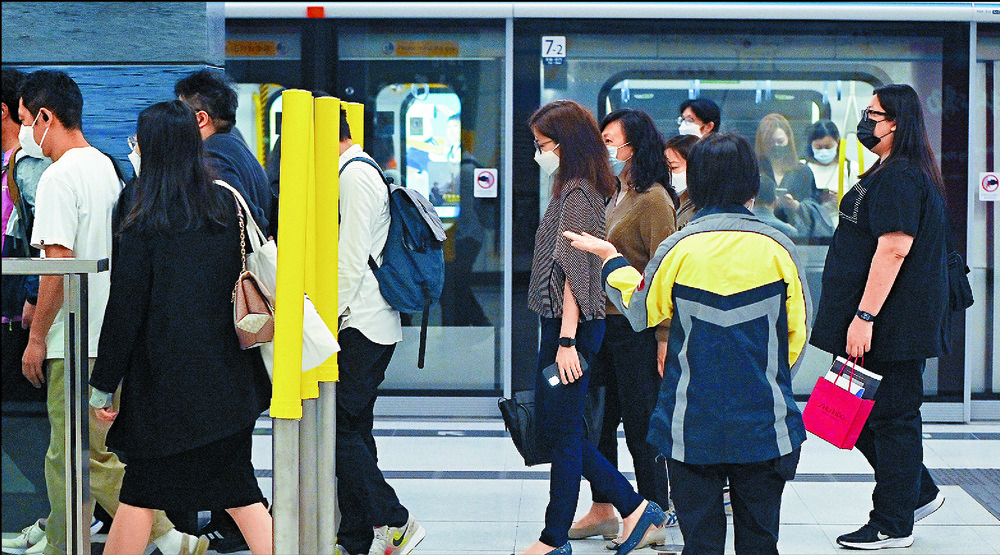
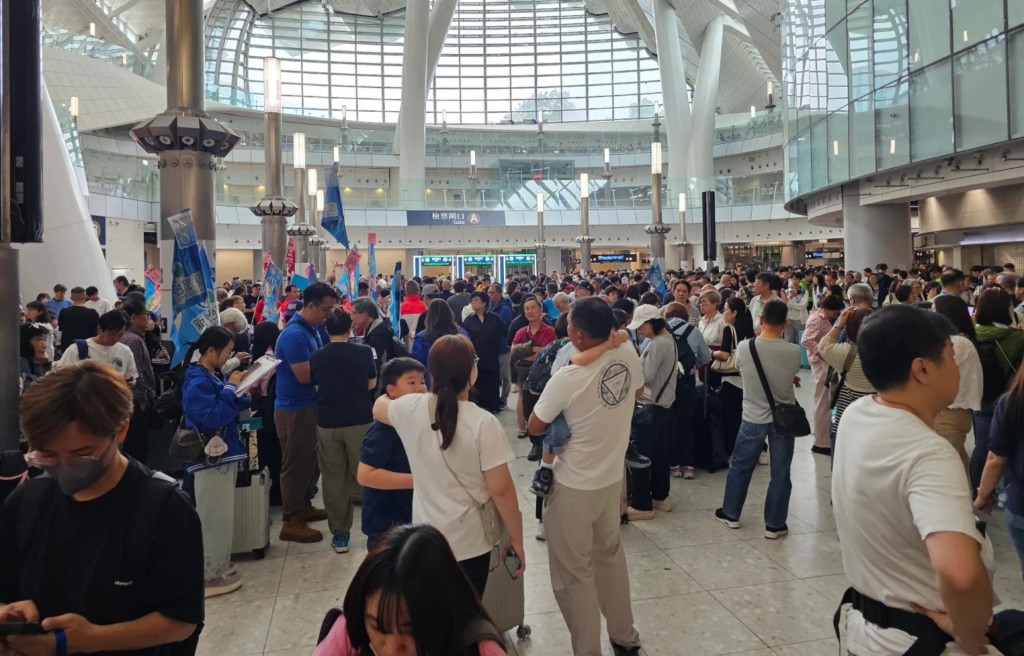
The severe congestion some of us feared might result from a station hosting four lines and shorter nine-car trains did not eventuate.
This is thanks to good management on the part of MTR Corp's operational staff in directing passenger traffic through correct routes to platforms and providing additional relief trains to the sections of the line experiencing heavy traffic to thin the crowds at some station platforms.
These steps are not new but show an ability to manage and control high traffic flow peaks. But they can only be done with additional facilities.
While station staff support can be boosted with redeployment and temporary personnel, empty relief trains can only be mobilized with additional sidings on the track layout to park trains ready for dispatch to congested sections of the line.
There is therefore a limit to the number of these empty trains. They travel a shorter loop to allow a quick return to continue to serve to relief the congestion.
As the city develops and prospers, passenger expectations increase.
Where commuters were happy 40 years ago with stations shaped in simple box designs (like most of the stations on Nathan Road and the overhead ones on the Kwun Tong line), they now demand more convenience and comfort.
The MTRC has responded with more entrances, longer escalators and, recently, artistic features.
Exhibition Centre station follows the lead of Sung Wong Toi station in offering visual entertainment to those who are not in a hurry.
The station has a mosaic-type wall on the side where it faces the sea, with stone faces in different shades of blue and green, to remind passengers how close that wall is to the waterfront.
In one of the longer concourse walls, instead of the usual monotone and utilitarian type, they have added a picture showing the history of the East Rail line in the past 100-plus years, all the way from steam trains, diesel locomotives and now electric trains.
These features are educational and entertaining, providing added value on top of the bare essentials of efficiency of speedy and reliable travel service.
This new cross-harbor link also offers an alternative to those commuters who previously used Eastern Harbour or Western crossings.
They can choose among these routes for their convenience, balancing travel time with less congestion.
Retaining the East Rail first-class coaches the also provides a premium service for those who demand better comfort instead of being packed like sardines during rush hours for a modestly higher fare.
This is especially welcome to those coming from across the border to visit exhibitions and conferences in the Hong Kong Convention and Exhibition Centre, meeting the expectations of a sector of business travelers that demands a premium level of service in their mode of travel.
Our city is developing. Our transport infrastructure must continuously improve in efficiency, reliability and comfort to meet the demands of a world-class city.
Let us hope this new extension, and subsequent extensions, fulfill this goal. Hong Kong would not have developed so well in the past quarter century without these state-of-the-art transport means.
Veteran engineer Edmund Leung Kwong-ho casts an expert eye over Hong Kong's iconic infrastructure