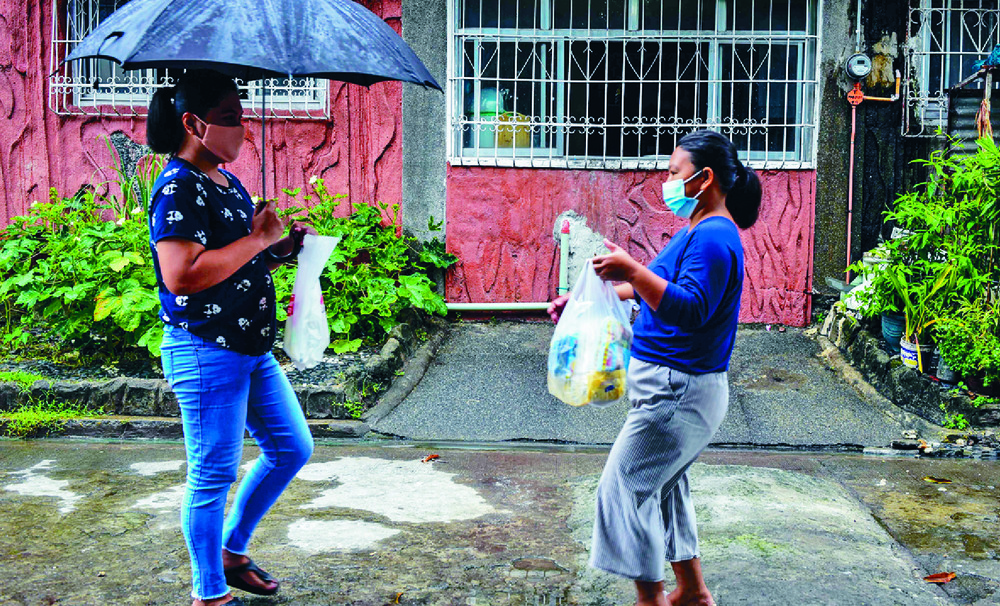
Struggling to make ends meet, Lorraine Imperio swapped a pair of Nike slip on shoes for a whole dressed chicken on an online bartering site, one of dozens that have sprouted during the Philippines' virus lockdowns.
With millions stripped of their jobs and many forced to stay home to slow the coronavirus spread, Filipinos have flocked to Facebook groups to exchange their possessions, including kitchen appliances, toys and designer handbags - mostly for food.
"It's so difficult nowadays," says Imperio, a mother of two whose husband works part time at a doughnut shop in Manila. "You don't know where you'll get the money to settle the bills for groceries."
Her husband's working hours were slashed because of the pandemic, and he now earns about 9,000 pesos (HK$1,435) a month. Half goes to pay the rent for the family's apartment.
Online bartering groups have provided a lifeline to the Imperios and other Filipinos hit hard by the country's months long virus restrictions that started in March and have sent the economy into a deep recession.
At least 98 groups, some with tens of thousands of members, are operating across the archipelago. Nearly all of them started during the pandemic as many Filipinos resorted to the ancient trading practice to feed their families.
Google search volume in the Philippines for the keywords "barter food" soared 300 percent in May from April, iPrice Group found in a recent study, as lockdowns squeezed household budgets and made traveling difficult. Its analysis of 85 popular Facebook barter groups, with more than two million members in total, found that food and other groceries were among the most sought after items.
People post photos and specifications of the goods they want to swap, indicate what they want in return, and then negotiate via the comments section.
Jocelle Batapa Sigue launched Bacolod Barter Community four months ago out of frustration at not being able to go shopping and a desire to help others.
Her husband held the family's only quarantine travel pass, which people must carry when they leave their homes during a lockdown. "It's difficult for me to get what I want when I tell my husband to buy it," says Sigue, who is a lawyer in the central city of Bacolod.
Her group has more than 230,000 members, and more are joining every day, she says. Sigue estimates thousands of items - from shampoo and birthday cakes to mobile phones and eyeliner - change hands on her site daily.
An estimated 5.2 million Filipino families had experienced "hunger due to a lack of food" at least once in the previous three months - the highest in nearly six years - a survey in July by pollster Social Weather Stations showed.
But it's not just cash-strapped people bartering their belongings. Others are taking the chance to dispose of goods they no longer needed after quarantine measures upended life.
Chona de Vega, 57, traded her hair-straightener and electric kettle for a bag of groceries and now plans to dispose of her iron. "I've no use for it," says de Vega, who lives in Manila and spends most of her time at home because of travel restrictions.
Charles Ramirez, who runs a 14,000-member bartering site in Manila, says a "big percentage" of his group live in poverty and ask mostly for groceries.
"People are realizing that while they have no money they have accumulated a lot of material things they can swap," says Ramirez, who set up his group in May after losing his job as a grocery wholesaler.
"It's a depressing feeling, of course, to have to let go of things you have accumulated just to be able to survive."
AGENCE FRANCE-PRESSE
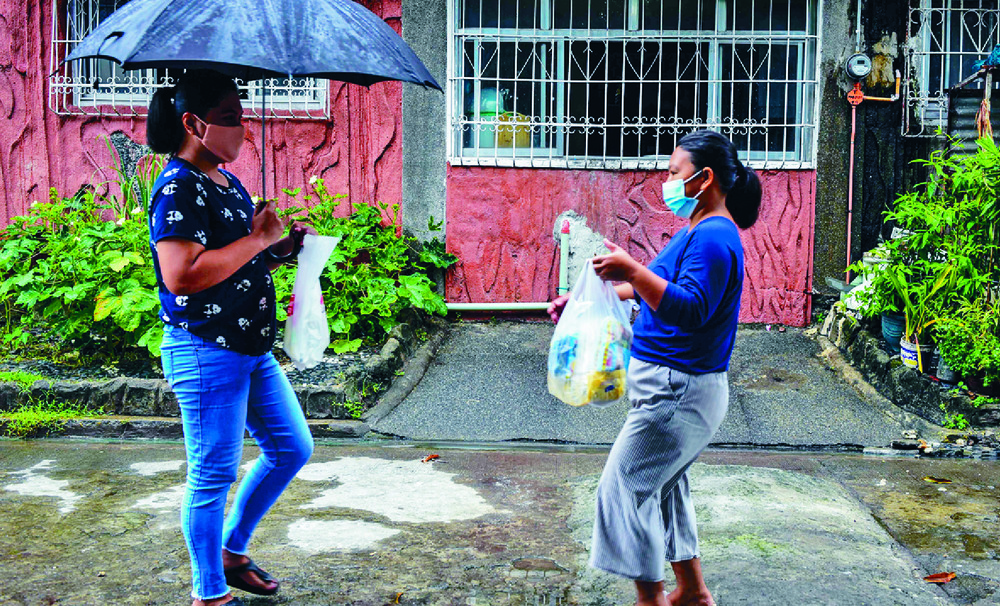
Virus lockdowns have seen many FIlipinos turn to bartering. AFP