Of all the engineering devices known to mankind, river dams must be the most important.
Water is vital for the modern world, for drinking and agriculture. Human beings just cannot survive without clean water.
For as long as we know in human civilization, living near a river or lake was the norm. The problem with dwelling on riverbanks is the risk of flooding at times of heavy rainfall - apart from the suffering of drought with dry weather.
Engineers mitigated these changes in weather by building dams across the river. This creates an artificial lake upstream of the dam to provide a reservoir of fresh water and to regulate floods downstream.
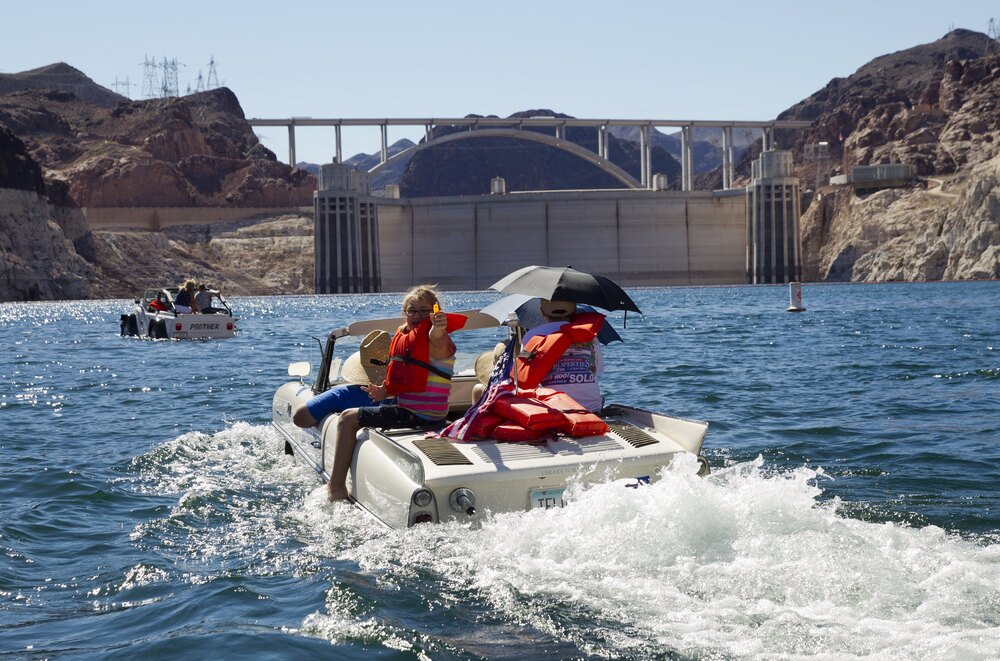
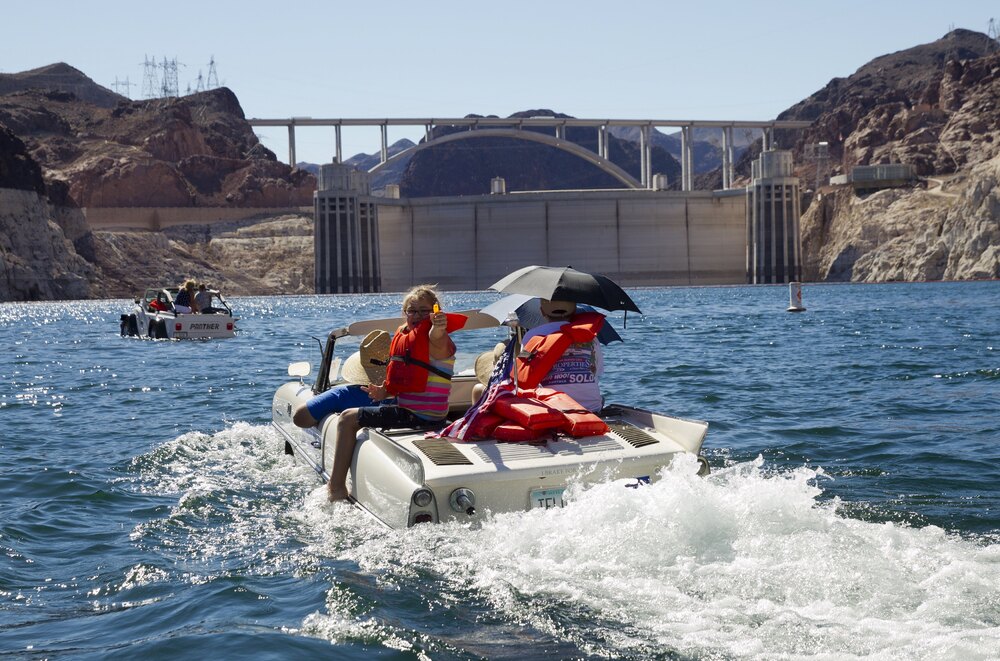
The Hoover Dam is probably the best-known early example in north America, and the Three Gorges Dam in China may be the most successful recent example, apart from many hundreds of other dams in the world.
Properly constructed and maintained, a dam will be an excellent piece of infrastructure to control floods, with the added bonus of hydropower generation to provide electrical energy.
But location can be a very controversial issue, as dams flood the area upstream.
This may cause serious impact on nearby residents and the habitat for wildlife and plants, not to mention some historic site and buildings that some people treasure and wish to preserve.
For some fish it will hamper significantly their ability to swim upstream to lay eggs, threatening changes to the marine ecology. To combat this, waterways need to be constructed to allow them to do so.
Equally important is the need to construct waterways for marine vessel navigation. Unfortunately, with water accumulated upstream, there could be a difference in levels with downstream that makes such passage difficult.
But there are always two sides to a coin.
The large difference in water levels, together with the large reservoir of water upstream, provides a source of potential energy that can be harnessed to produce electricity.
The Three Gorges Dam, for example, can generate 22,500 megawatts of power.
This is equivalent to 2-1/4 times the generating capacity of the whole of Hong Kong, or over 20 huge nuclear power plants. This huge power source is available throughout the year, with no need for fossil fuels, so the resulting savings in energy costs and the reduction of atmospheric pollution can be colossal.
Another major consideration is the ability and the frequency of silt removal from the reservoir upstream of the dam because excessive silting will severely affect the safe operation of the dam and its ancillary systems.
I shall describe the navigation aspects of rivers with dams in my next column, but we should be thankful river dams are effective to prevent floods and provide a reliable source of renewable energy.
Despite the advantages, before any large dam can be built across a river, extensive studies of geotechnical conditions, ecology of the area to be flooded upstream and the satisfactory relocation of dwellers in the affected area must be assessed and proven before we should attempt the construction as it may have serious effects on the dwellers.
Veteran engineer Edmund Leung Kwong-ho casts an expert eye over Hong Kong's iconic infrastructure
The Three Gorges dam is also used to generate badly needed power in China while the Hoover dam, right, is a fine venue for water sports.