Read More









Morning Recap - June 12, 2026
8 hours ago


Mother and daughter die in successive falls from same Tai Koo Shing block
11-06-2026 00:05 HKT

100 y/o biologist David Attenborough shares 4 longevity habits
07-06-2026 12:00 HKT
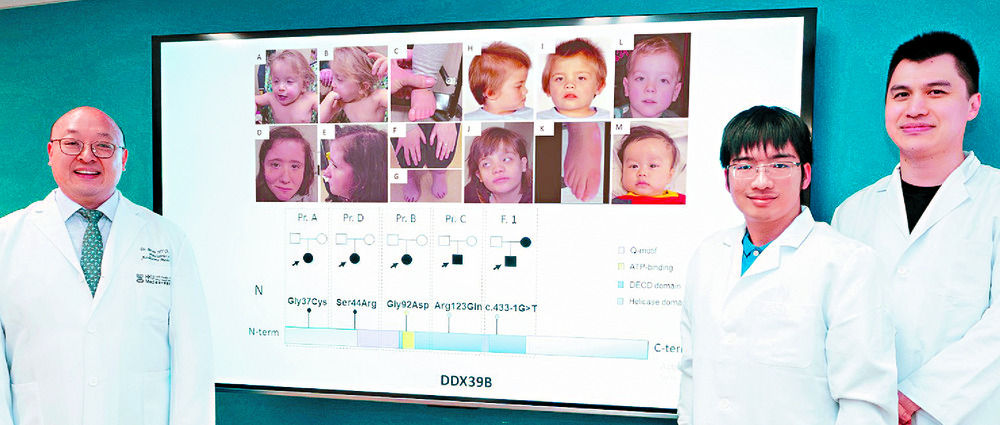
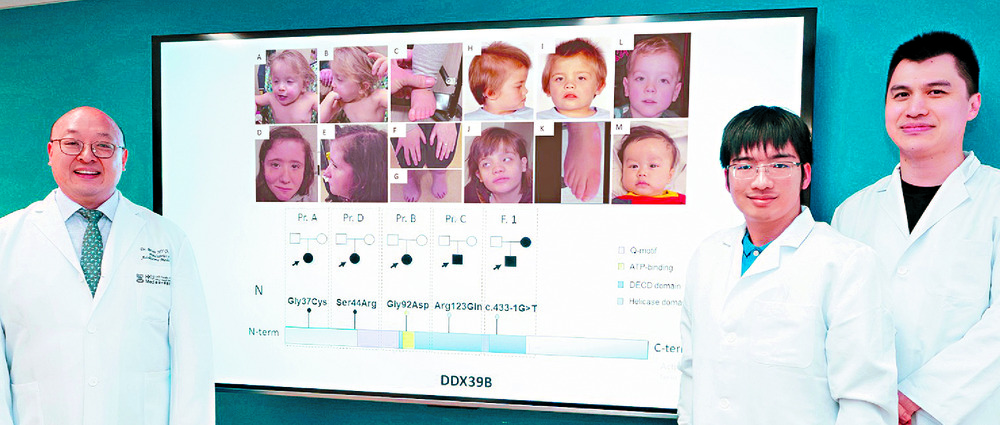
Researchers from the University of Hong Kong's medical school have identified a novel gene associated with a rare disease impacting brain function.
Led by clinical associate professor Brian Chung Hon-yin from the Department of Paediatrics and Adolescent Medicine, the HKU research team previously estimated that about one in 67 individuals in Hong Kong, or 1.5 percent of the population, is affected by rare diseases.
"Early genetic diagnosis plays a pivotal role in significantly reducing disease-related costs and the risk of financial hardship," Chung said.
The study was initiated in 2022 when a local toddler exhibited hypotonia, which hindered feeding and led to developmental delays.The research team ultimately determined that the mutation in DDX39B is a genetic cause of this rare neurodevelopmental syndrome.
This discovery enabled the identification of six patients with variations in the gene across Hong Kong, the United States, the United Kingdom and Ireland."This is a world-first discovery of the novel neurodevelopmental syndrome. These patients have lived with an undiagnosed situation for years, and now we can finally understand the cause," Chung said.
"By providing crucial information to the patients and their families, the research helps reduce clinical uncertainties."wallis.wang@singtaonewscorp.com