The overall recycling rate of municipal solid waste (MSW) in Hong Kong has continued to rise as the government actively expands the community recycling network to encourage greater participation.
The Environmental Protection Department, meanwhile, launched the Waste Reduction and Recycling Charter last year to enhance the recycling awareness of private housing residents and cultivate a recycling habit.
Statistics from the Environment and Ecology Bureau showed that the total amount of recyclables has risen to nearly 1.97 million tonnes in 2023 from about 1.91 million tonnes in 2022, representing an increase of more than 55,000 tonnes, with the recycling rate rising from 32 percent to 33 percent.
The government's vigorous efforts in promoting waste reduction and recycling, expanding and enhancing recycling networks such as GREEN@COMMUNITY, as well as introducing domestic food waste recycling, the amount of waste has already passed its peak and is declining steadily.
Figures from the bureau show that per capita MSW disposal per day in 2023 was 1.44 kilograms, down from 1.51 kg in 2022 by 4.7 percent, with waste plastics dropping by 10.5 percent, and waste paper and metals by 3.2 percent and 9.5 percent, respectively.
A total of 27,000 tonnes of recyclables were collected in the first eight months of 2024 the GREEN@COMMUNITY network, exceeding the 26,000 tonnes collected throughout 2023.
Last June, the EPD launched the Waste Reduction and Recycling Charter to encourage private estates to commit to providing convenient waste separation and recovery facilities, including recycling bins for paper, plastic and metal, as well as beverage cartons and food waste.
As of the end of last December, the department has received over 1,100 applications covering about 910,000 households.
Villa Esplanada in Tsing Yi is one of the private housing estates that actively participate in waste recycling.
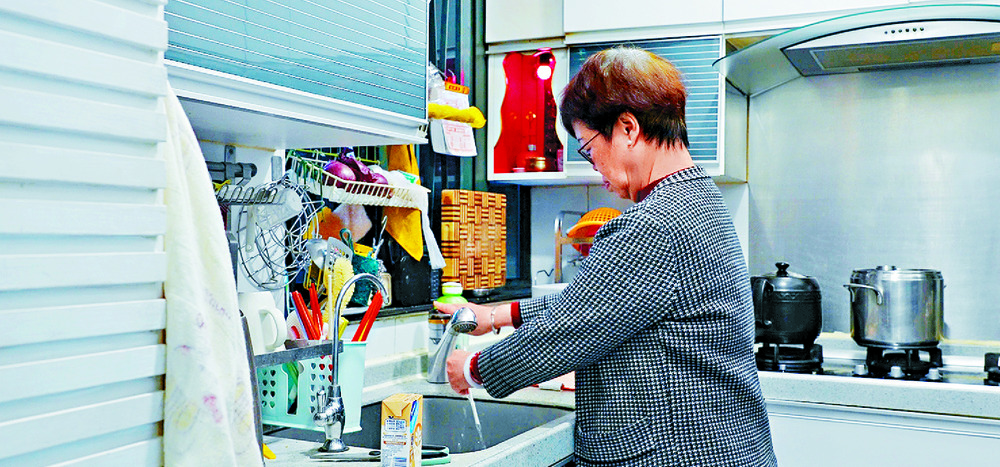
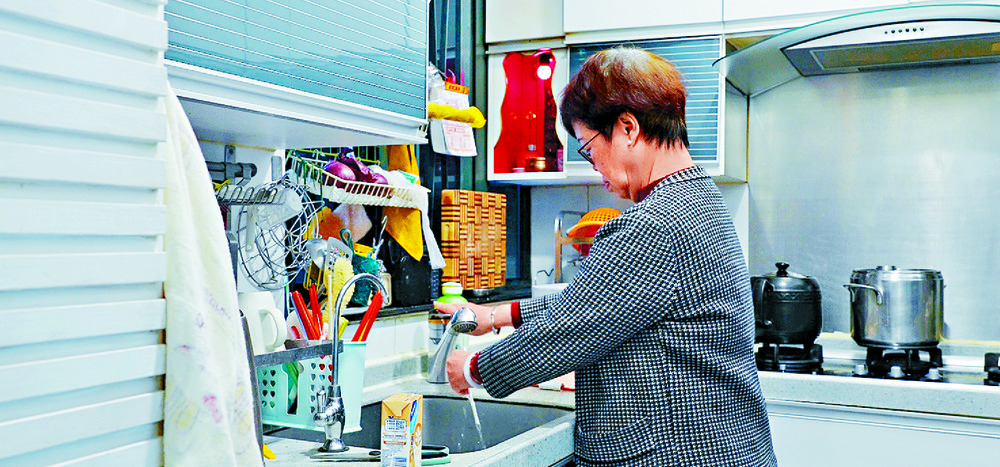
Lee, a resident in the estate, said she would clean and separate the beverage cartons and place them in the recycling bins in the lobby afterward.
She said that the housing estate is well-equipped with recycling facilities, clear labeling and instructions, thereby facilitating residents' comprehension of waste separation and recycling, in conjunction with regular environmental protection activities.
Another resident, Leung, said she had developed the habit of recycling, and occasionally discussed with family members how to practice waste separation properly, which also contributed to the enhancement of familial harmony.
Leung added that residents would exercise self-discipline to maintain the cleanliness of the estate, thereby reducing pressure on cleaning personnel.
Chairman of the Incorporated Owners of Villa Esplanada, Lee Wing-kuen, said that three-colored recycling bins designated for the collection of metal, waste paper and plastic ,respectively, have been placed in the lobby, as well as facilities to collect batteries, light bulbs and beverage cartons.
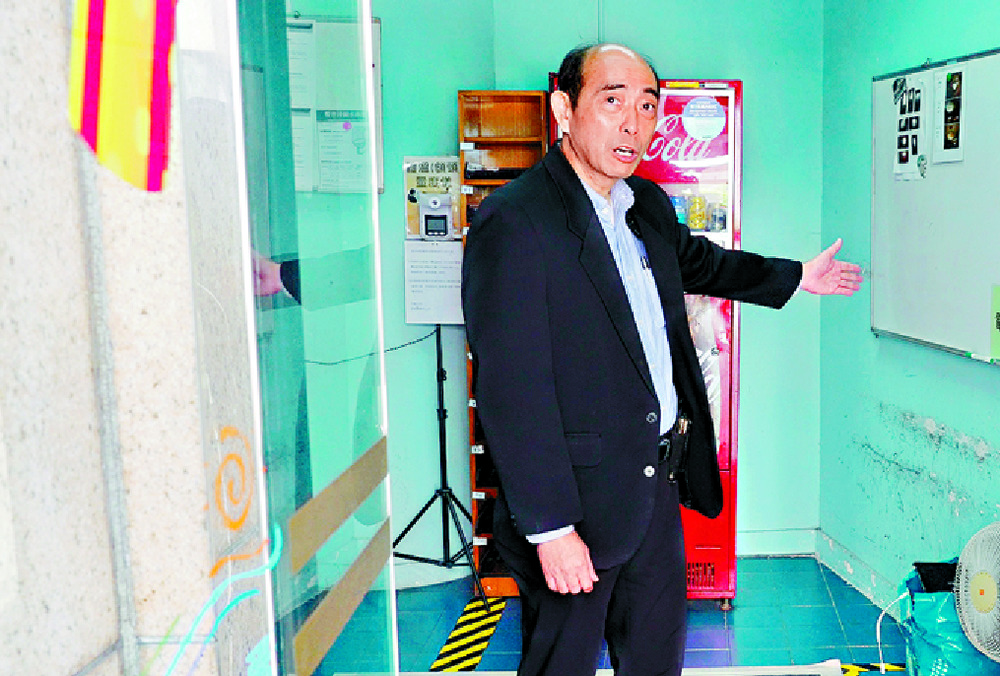
In addition, there is a designated area in the security room for residents to recycle small household electrical appliances.
Lee said some residents initially expressed reservations regarding the waste recycling initiative, citing concerns that it might result in stains or create a cluttered appearance in the lobby.
In response to these concerns, the estate enhances the maintenance of recycling facilities, including instructing cleaning personnel and security guards to intensify their cleaning and patrol duties, thereby fostering an environment where residents do not perceive recycling as unsanitary or repugnant.
There was a notable increase in residents' acceptance of recycling following the enhancements.
Lee also said that the estate had been actively promoting environmental protection and had won several awards from the department.
The amount of recyclables had also remained stable, with about 600 tonnes of paper, 70 tonnes of plastics and more than 110 tonnes of metals being recovered each year.
He added that some of the proceeds from the sale of recyclables would be credited to the Owners' Corporation's account, thereby increasing their income, and considered recycling a win-win situation.
Candy Wan Mei-king, in charge of GREEN@KWAI TSING that offers door-to-door recycling service to Villa Esplanada, said collaboration between the housing estates and their residents has substantially enhanced both the quality and quantity of recyclables collected.
Over the past four years, the monthly quantity of recyclables collected by GREEN@KWAI TSING has increased from about 30 tonnes to a steady 70 to 80 tonnes, particularly in the case of plastics, which formerly amounted to only a few tonnes monthly to over 20 tonnes now, she said.
Wan stressed that to reduce waste and recycle properly, residents should keep their recyclables clean and separate them at source, cultivate a habit of environmental protection and waste reduction, thereby increasing the recycling rate and diversifying the outlets for recyclables so as to further promote reductions in both waste and carbon emissions.
Lee, a resident of Villa Esplanada, said she would clean the recyclables and separate them at home.
Lee Wing-kuen, chairman of the Owners‘ Corporation of Villa Esplanada, said that the maintenance of recycling facilities would serve to enhance the residents' inclination to reduce waste and embrace recycling.
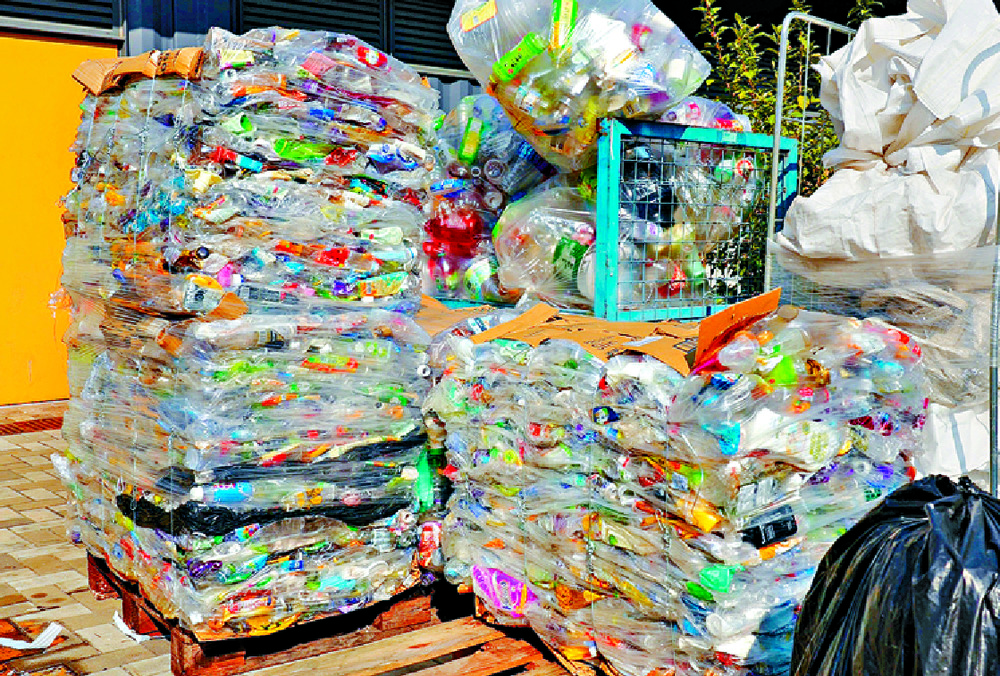
GREEN@KWAI TSING collects waste regularly for separation and storage, for example, plastics will be processed, including compression and packaging, to save space and facilitate transport by recyclers.