Read More
Charlotte LamIn a blog post, Tse said the government has always been exploring more cost-effective ways of handling waste, urging the recycling sector to seize the opportunity in the city's "green transformation."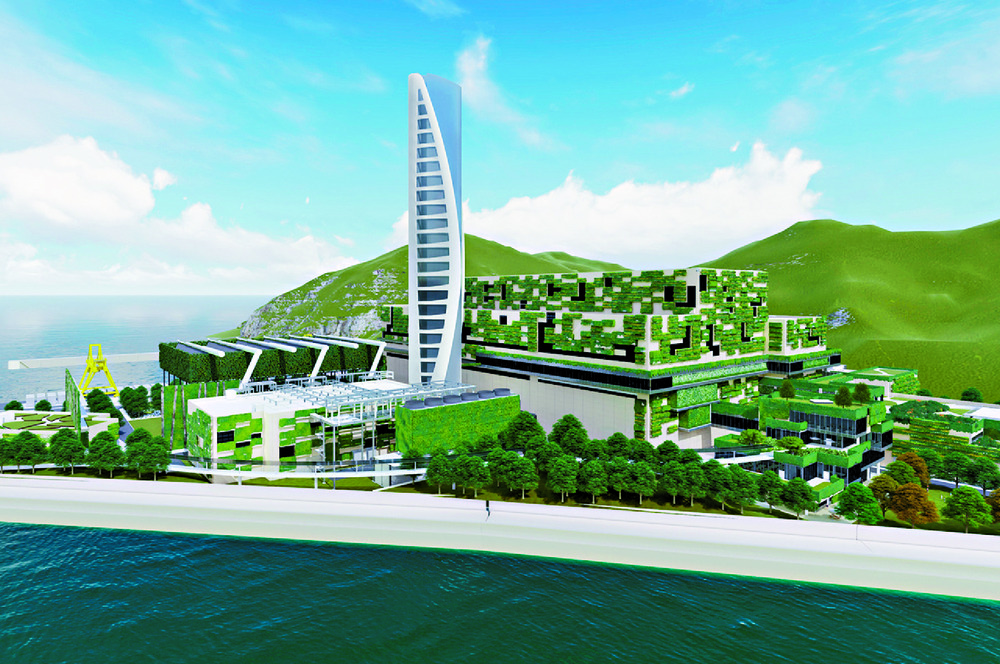
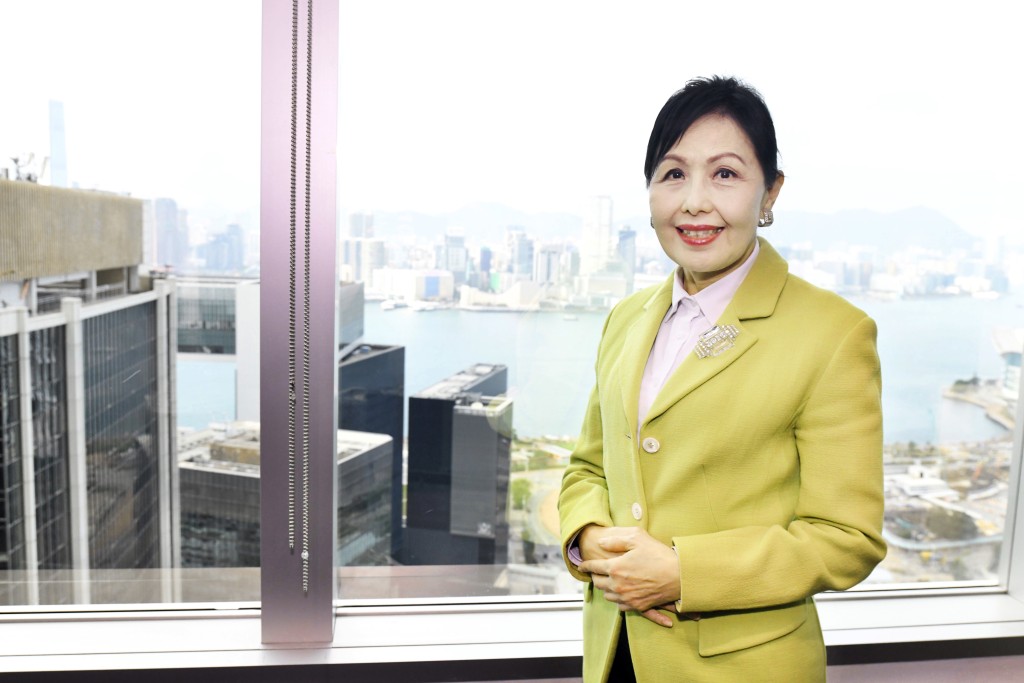
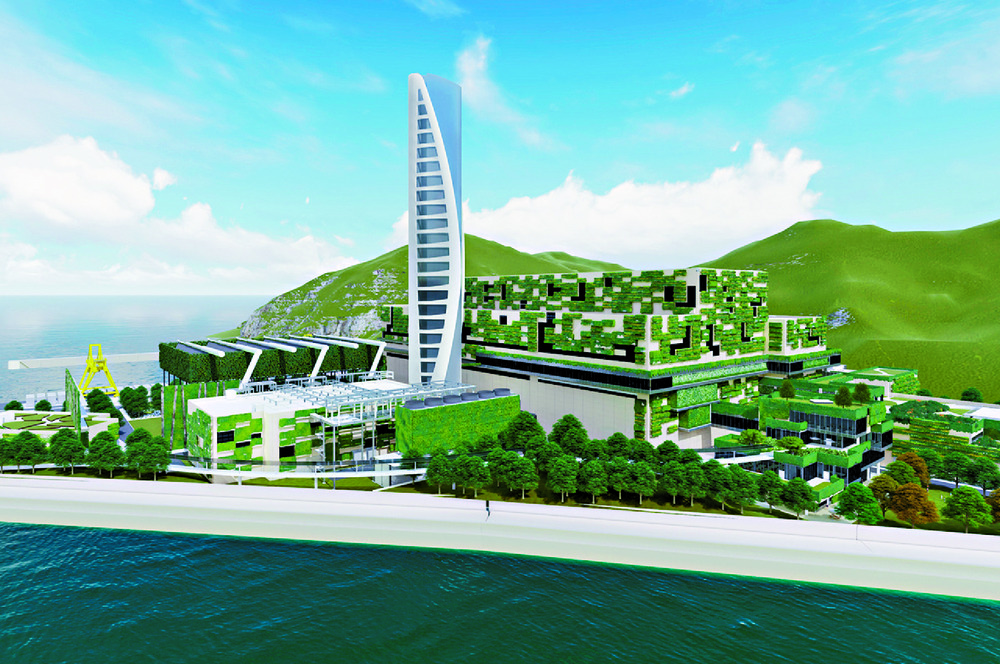
Hong Kong's first municipal solid waste facility, IPARK 1, is expected to come into service by the end of the year, with authorities launching the public tender for a second waste-to-energy plant, says Secretary for Environment and Ecology Tse Chin-wan.
ADVERTISEMENT
SCROLL TO CONTINUE WITH CONTENT
Responding to concerns in the community that the government may focus on "bursting the waste in flames" instead of promoting recycling and waste reduction, he said such concerns had stemmed from a misunderstanding of globally adopted waste-to-energy technology and its environmental economics.
Tse said recycling and waste-to-energy systems can work together as complementary strategies.
"In situations where recycling costs outweigh the benefits, persisting with recycling at all costs will only escalate the economic strain on society and worsen environmental issues," Tse said.
As an example, he explained that the recycling process for Styrofoam costs tens of thousands of dollars per tonne and also releases harmful gases. Similarly, contaminated waste, mixed materials and low-quality plastics often challenge traditional recycling methods.In such cases, he said, waste-to-energy technologies offer a more sustainable solution by converting non-recyclable waste into energy while minimizing environmental impact.
The IPARK 1 facility is built to handle around 3,000 tonnes of municipal solid waste daily, reducing waste volumes by over 90 percent.The process also produces byproducts such as slag after incineration, which can be used to produce building material - while metal and other residues can be recycled.
Tse also urged the recycling industry to embrace innovation and adapt to the evolving green economy, and not stick to previous practices.To help Hong Kong decarbonize and enhance environmental protection, the government launched the Green Tech Fund in 2020, which provides focused funding support to research and development projects.
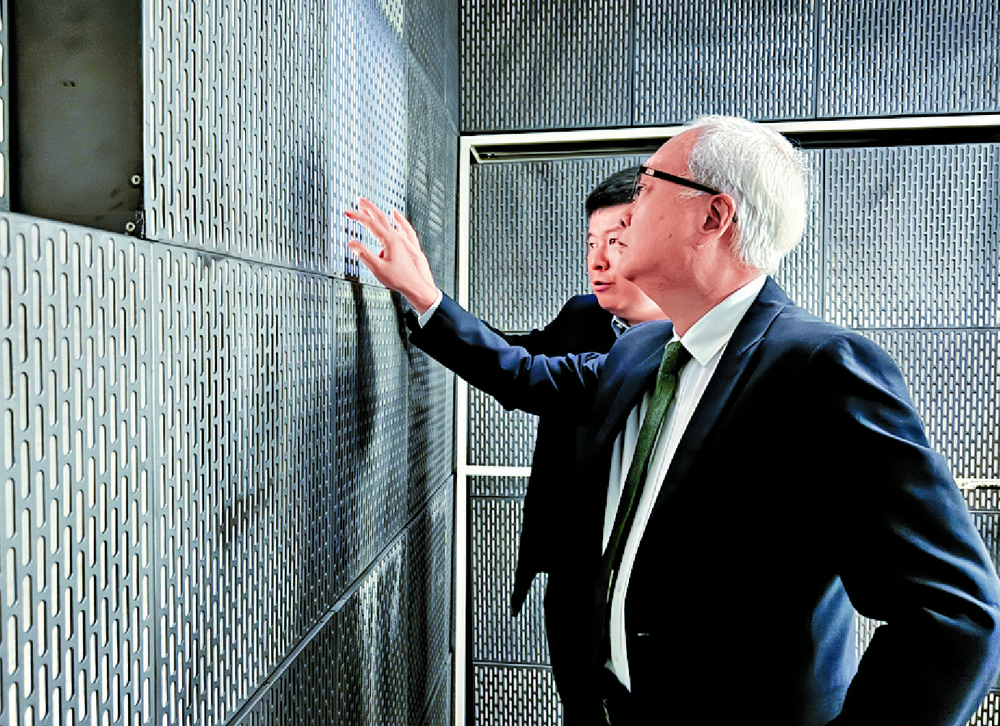
Tse cited how Lumi Technology, a local company that received more than HK$3.3 million from the fund, transforms recycled plastics into high-value-added acoustic metamaterials.I-PARK 1 is expected to be put into service by the end of the year, says Tse Chin-wan.