Read More





Night Recap - September 20, 2026
5 hours ago


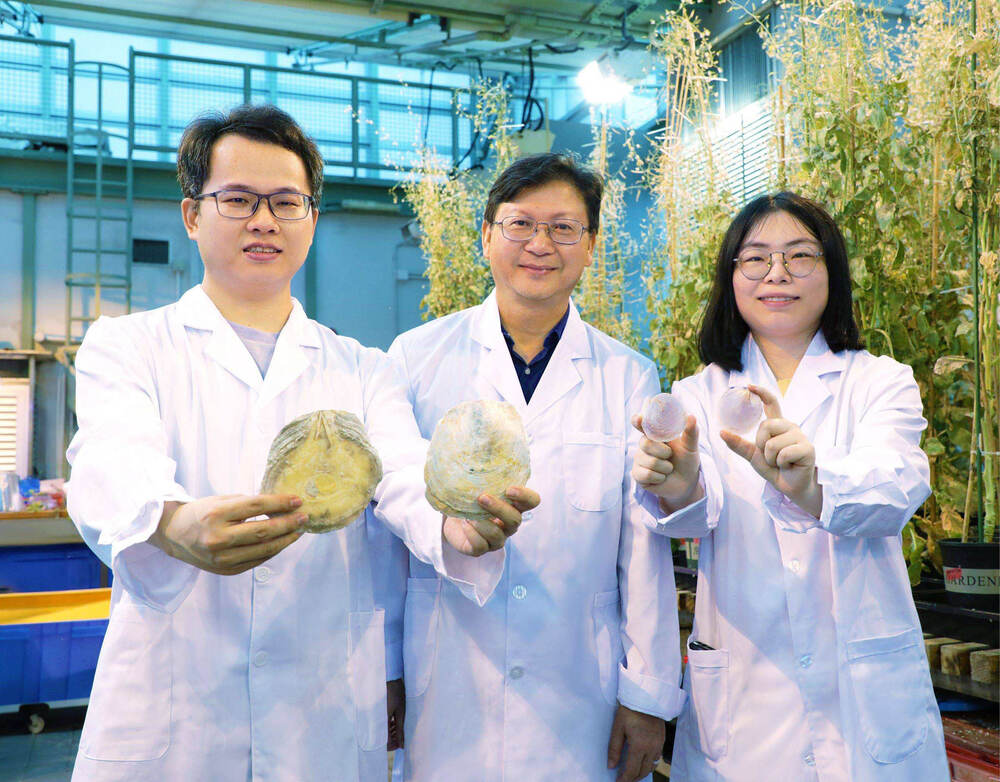
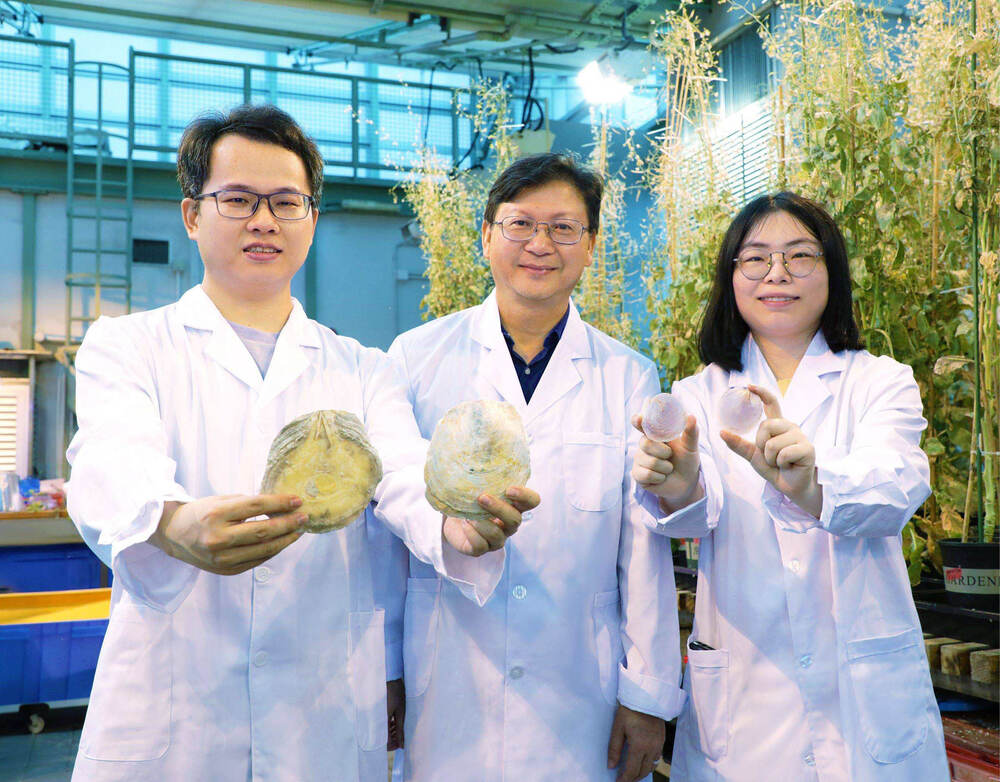
Biologists at Hong Kong Baptist University have discovered two new species of windowpane shells, increasing the total number of known species from five to seven worldwide.
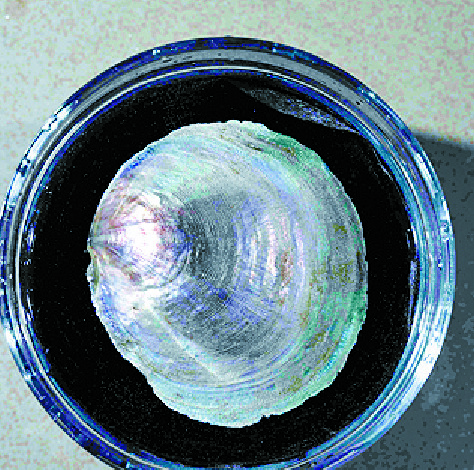
"These stunning translucent shells are widely utilized in making windows, jewelry, and decorative items such as lampshades and chandeliers," the university said.
The name "aestuaria" is derived from the Latin word for "estuarial," reflecting the species' habitat in the estuarine waters of the Pearl River Estuary.
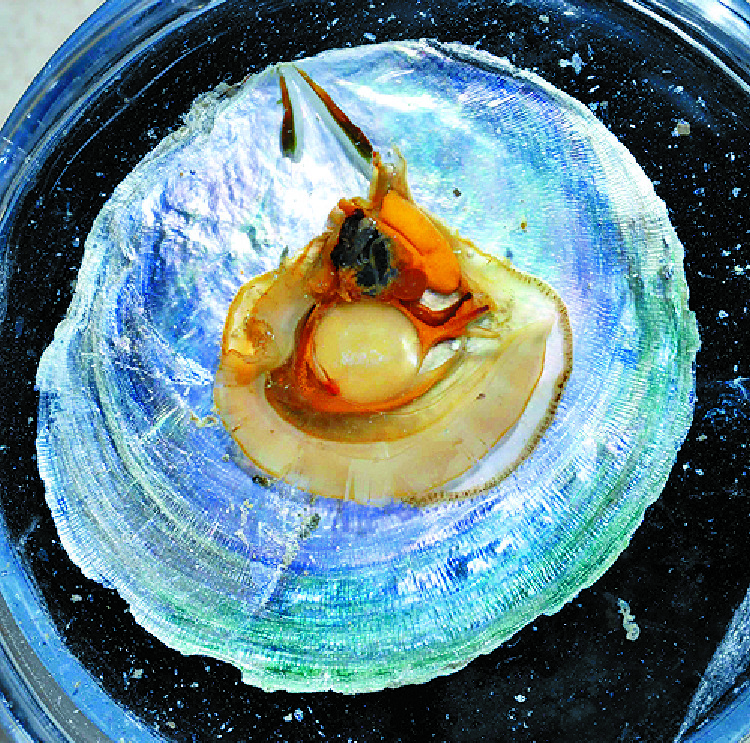
The second new species, Placuna vitream, was found at a market in Haikou, Hainan province, in May 2022 and was named for its "glassy," pearl-like appearance.Further research led the team to discover additional wild specimens in the intertidal zone of Xincun Port in Sanya, Hainan, as well as from Xiajin Bay in Xiamen, indicating a potential widespread presence around the South China Sea, including Hong Kong.
"Identifying Placuna species presents unique challenges due to variations in shell size, shape, and even the color of the inner surface, which can vary widely," Qiu said."Our discovery of these two new species not only enhances the diversity of windowpane shells but also suggests that this group may be more varied than previously recognized. This finding necessitates a reassessment of other marine species in Asia that are presumed to have wide distributions."
The study, supported by the Lantau Conservation Fund, has been published in the academic journal Ecology and Evolution.wallis.wang@singtaonewscorp.com