Read More
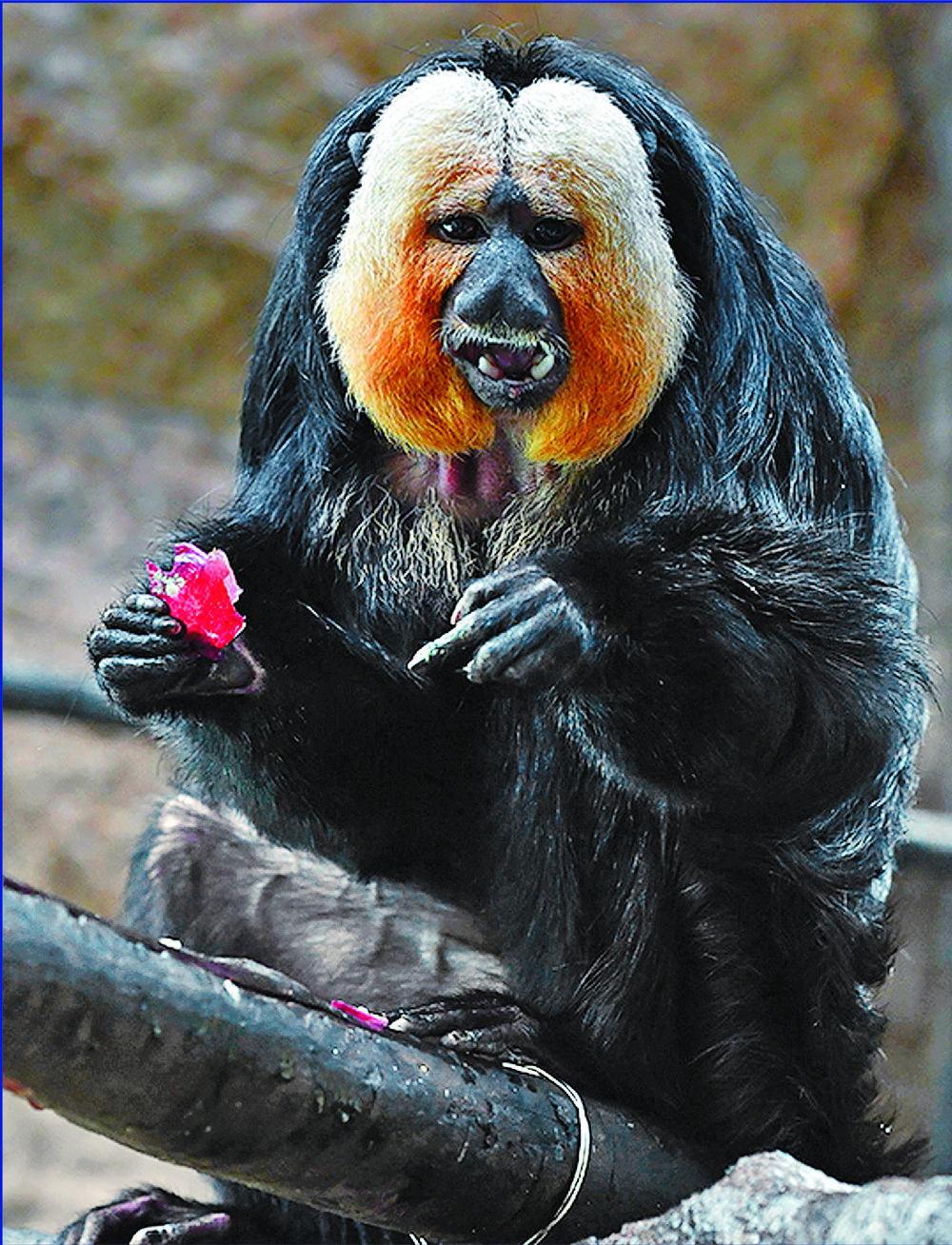
Ayra WangThe eight primates - a De Brazza's monkey, a common squirrel monkey, three cotton-top tamarins and three white-faced sakis - were found dead on Sunday, the Leisure and Cultural Services Department said yesterday.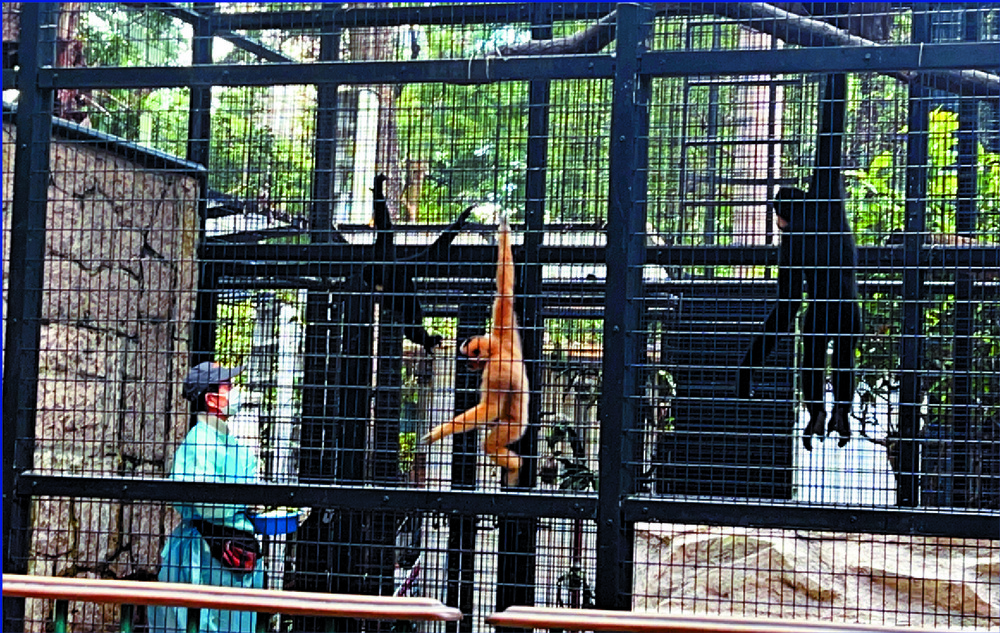
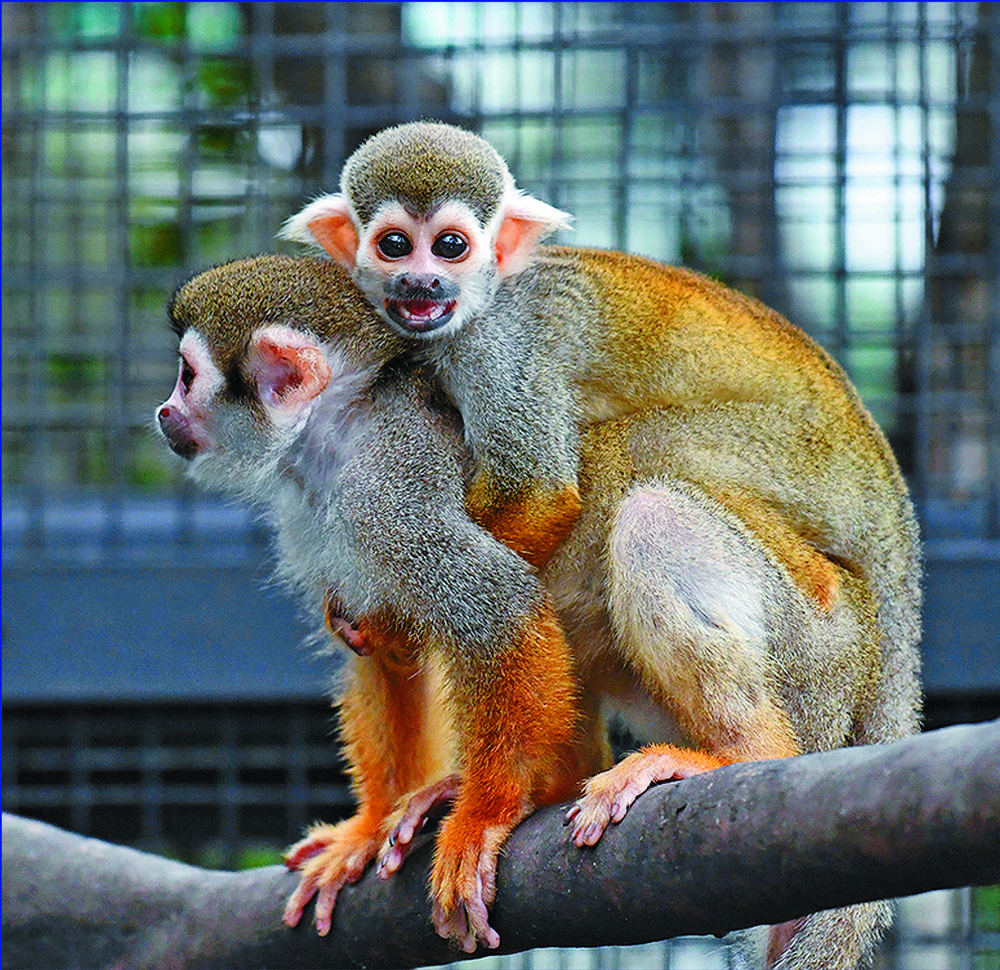
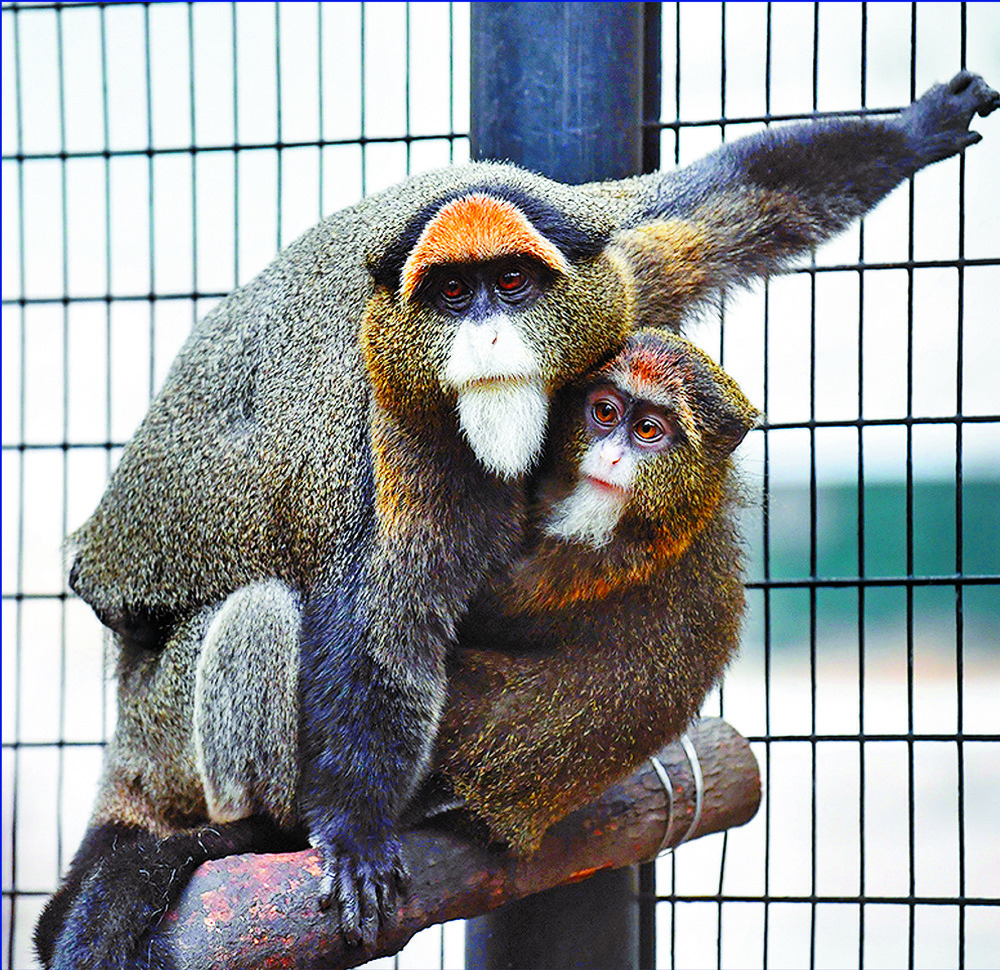
The mammals section at the Hong Kong Zoological and Botanical Gardens have been shut down - to the disappointment of many - after eight monkeys mysteriously died within a day.
ADVERTISEMENT
SCROLL TO CONTINUE WITH CONTENT
Cotton-top tamarins are classified as "critically endangered" worldwide.
"The department had liaised with the Agriculture, Fisheries and Conservation Department and necropsy and laboratory tests have been arranged immediately to help find out their cause of death," it said.
The mammals section of the park will be closed for disinfection and cleaning work while the operation of other facilities remains unaffected, the department said.
"We will closely monitor the health conditions of other animals," it added.The park set up barricades to enclose the mammal area, with notices informing visitors about the temporary closure.
Security guards wearing masks were at the entrance of the mammals section while zoo staff in protective gear were seen feeding other primates in the cage.A resident named Leung, visiting the zoo in Central with his granddaughter, said: "It's a little disappointing, but we can do nothing about it."
He said in previous visits they would "stand next to the cage to observe the monkeys but we never fed them." He also felt saddened by the deaths and hoped authorities could find out how they happened.Visitor Mak from North Point, who came with his wife and granddaughter, said they were disappointed but not worried about possible health issues. The wife added: "Our immunity is strong."
But a frequent visitor, Wong, and her daughter immediately left the park after learning about the incident.Veterinarian Eric Lai Cheong-sang said the simultaneous deaths of eight monkeys of different species are "very rare" and said these could be caused by collective heat stroke, poisoning or infectious diseases.
Lai said not many viruses or bacteria can cause the sudden death of animals, though the most common one is Leptospira, whose main hosts are mice and which can be transmitted to warm-blooded animals such as cats and dogs. He said humans can also be affected by the bacteria but the chance of infection is minimal."People can only watch the monkeys from outside the cage and they will be infected only if they directly come into contact with the infected animals' urine or contaminated objects," Lai said.
He added it is unlikely that the deaths were caused by monkeypox.Anatomy scholar Florence Tang Mei-kuen, a lecturer at the School of Biomedical Sciences at Chinese University, said collective food poisoning could be the culprit.
She suspected that visitors might have fed the monkeys with something harmful to them, like chocolate, and urged looking into whether there was any negligence in management's part.Howard Chuk Hau-chung, head of zoological operations and conservation at Ocean Park, said his team has communicated with the zoo on the incident.
The oldest park in the city opened to the public in 1871 and was renamed Hong Kong Zoological and Botanical Gardens in 1975 after a major expansion.It houses 158 birds, 93 mammals and 21 reptiles in about 40 enclosures.
ayra.wang@singtaonewscorp.comMonkeys are fed yesterday in their cage. The ones which died – similar to the pictures, clockwise from top – are three white-faced sakis, a common squirrel monkey, three cotton-top tamarins and a De Brazza's monkey. SING TAO