Read More
Ayra WangThe poll took in over 16,000 people with health checks made on around 2,000 participants from 2020 to 2022. 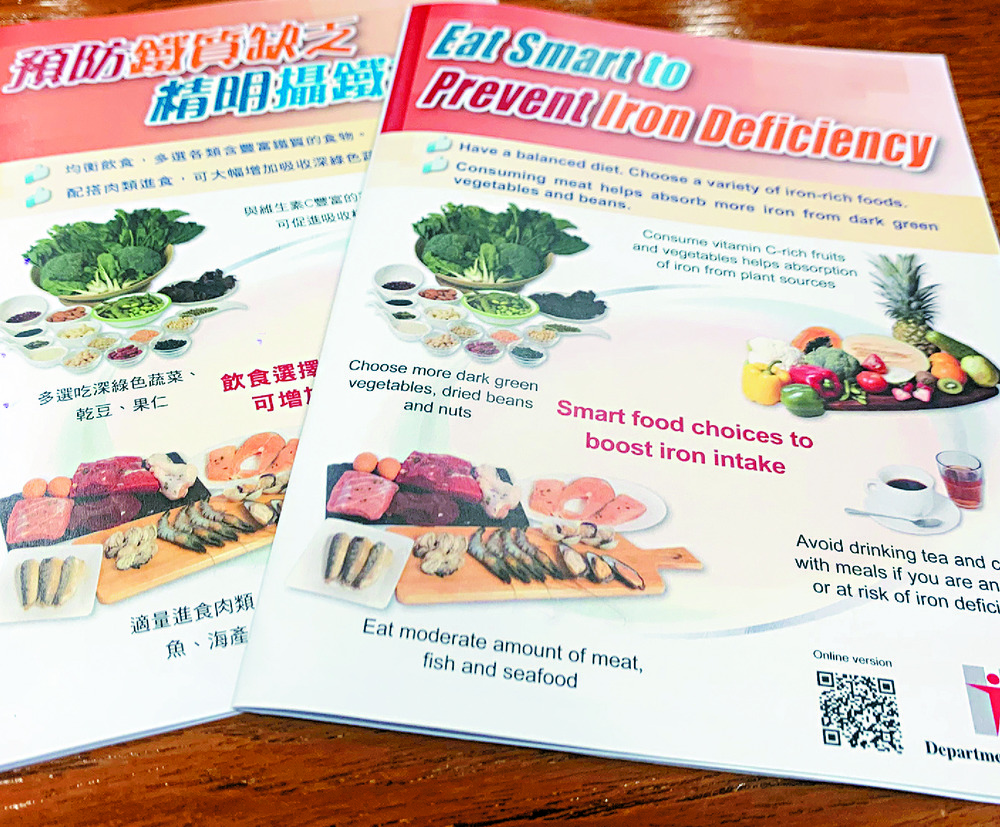
One in every six women aged 15 to 49 suffers from iron deficiency, while one in every 10 in the same age group has iron deficiency anemia, according to a survey conducted by the Department of Health.
ADVERTISEMENT
SCROLL TO CONTINUE WITH CONTENT
The findings revealed an overall deficiency prevalence of 5.7 percent among those aged 15 to 84. It was much worse for women, with those aged 15 to 84 hitting 10 percent and those aged 15 to 49 reaching 17.5 percent.
Rita Ho Ka-wai, head of the non-communicable disease branch, said a relatively high iron deficiency rate among women of reproductive age is common.
"Women of reproductive age regularly lose iron due to menstruation, and the deficiency rate here is similar to that in developed countries and regions such as Canada, Britain and the US," she said.
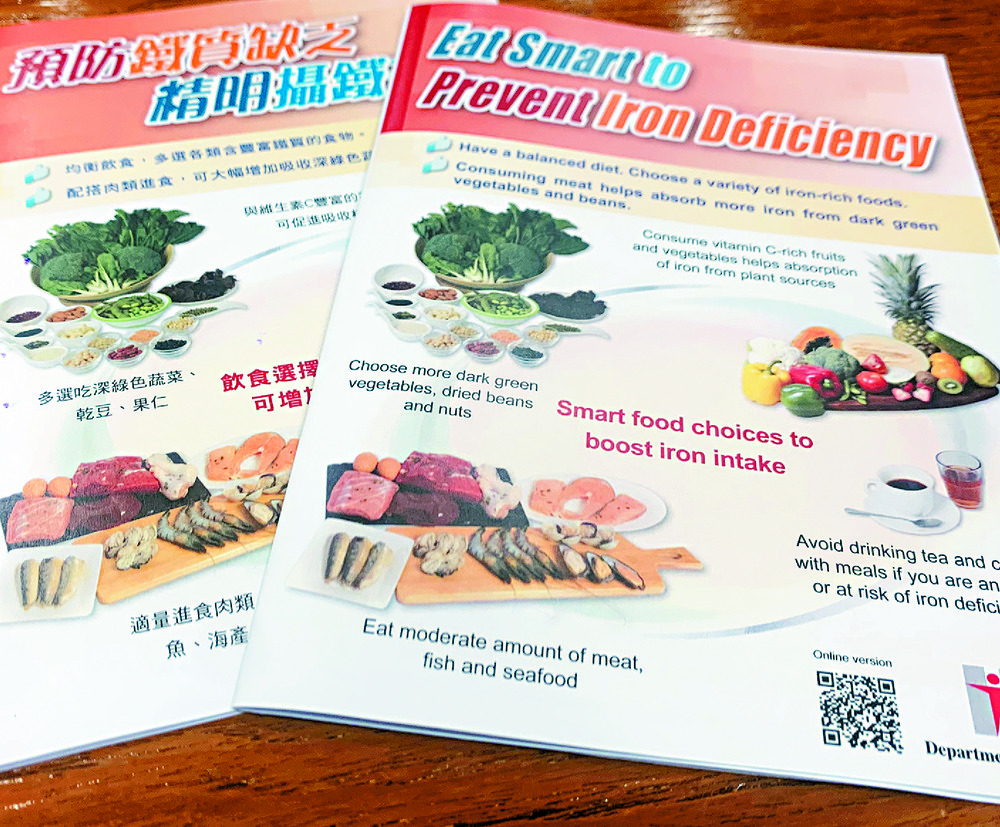
However, Ho urged people, especially women aged 15 to 49, to pay attention to their daily diet and increase their iron intake, as prolonged iron deficiency can lead to IDA. Symptoms of IDA include easy fatigue, dizziness and shortness of breath. In early pregnancy, IDA may also increase the risks of preterm labor, low birth weight and infant mortality.To address this issue, people were urged to consume more iron-rich foods, such as meat, fish, seafood, dark green vegetables and beans.
Amanda Tjong Yung-man, the department's dietitian at Family Health Service, said women aged 15 to 49 should take in 18 milligrams of iron daily while the intake for men should be 12 to 16 mg.People should eat 187 to 260 grams of meat, fish, eggs and soy products daily to increase iron intake, but that consumption of cooked red meat, such as pork and beef, should not exceed 500g a week.
"People should have more dark green vegetables and fruits rich in vitamin C to promote iron absorption," Tjong said, adding tea and coffee should be eschewed one to two hours after meals as they can affect iron absorption. Plain water or lemon-infused water go better with meals.People at higher risk of deficiency, such as the pregnant, those on restricted diets and persons with gastrointestinal disorders, may need to take supplements but should consult doctors first and beware of side effects from consuming too much iron.Among those advocating an iron-rich diet are Rita Ho, center, and Amanda Tjong, right.