Read More
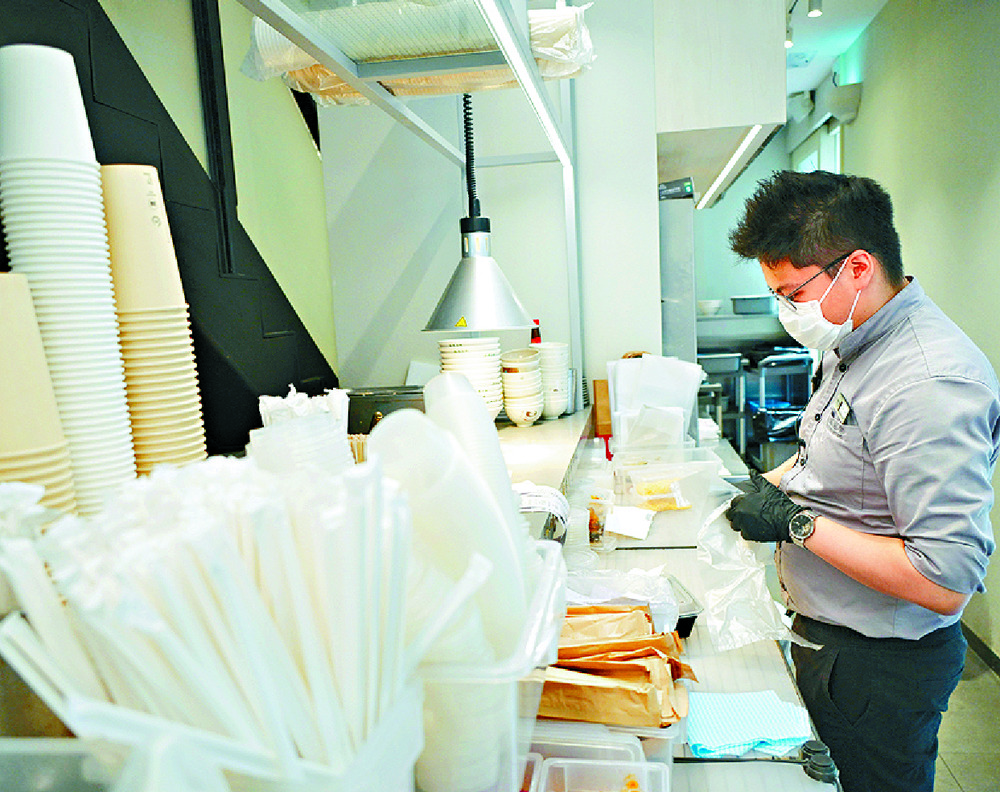
Kelly KongThe first phase of the single-use plastic ban went into effect on April 22, with a six-month adoption period. This prohibits the supply of Styrofoam and disposable plastic tableware for dine-in meals, as well as the sale of these items. 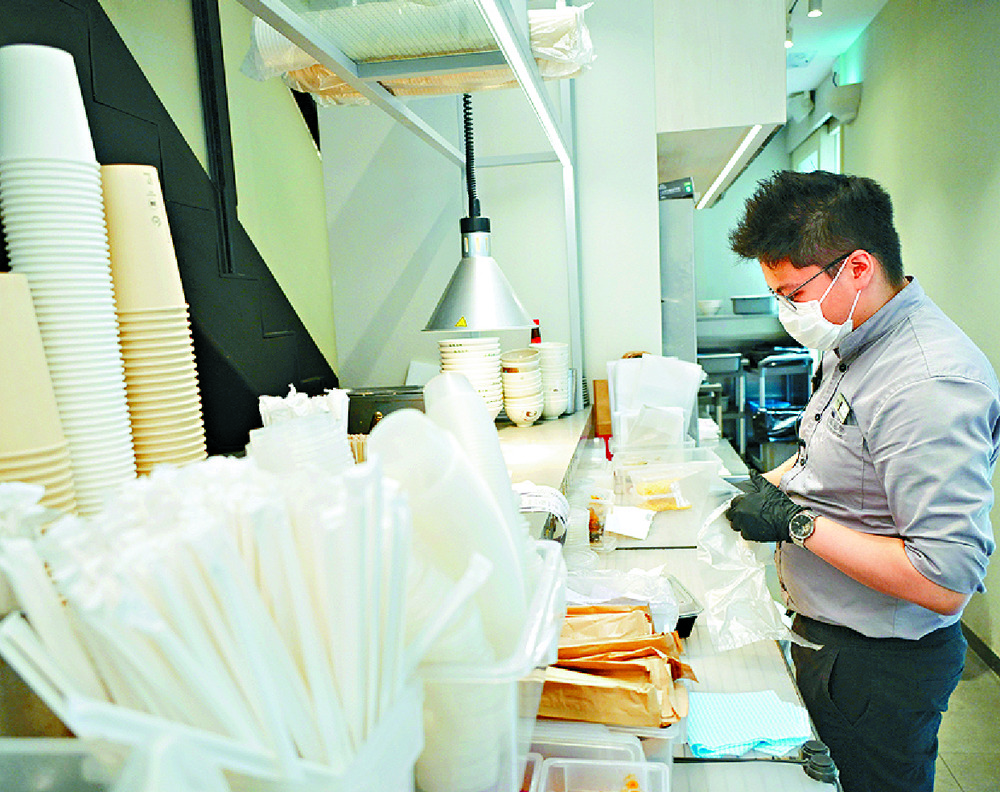
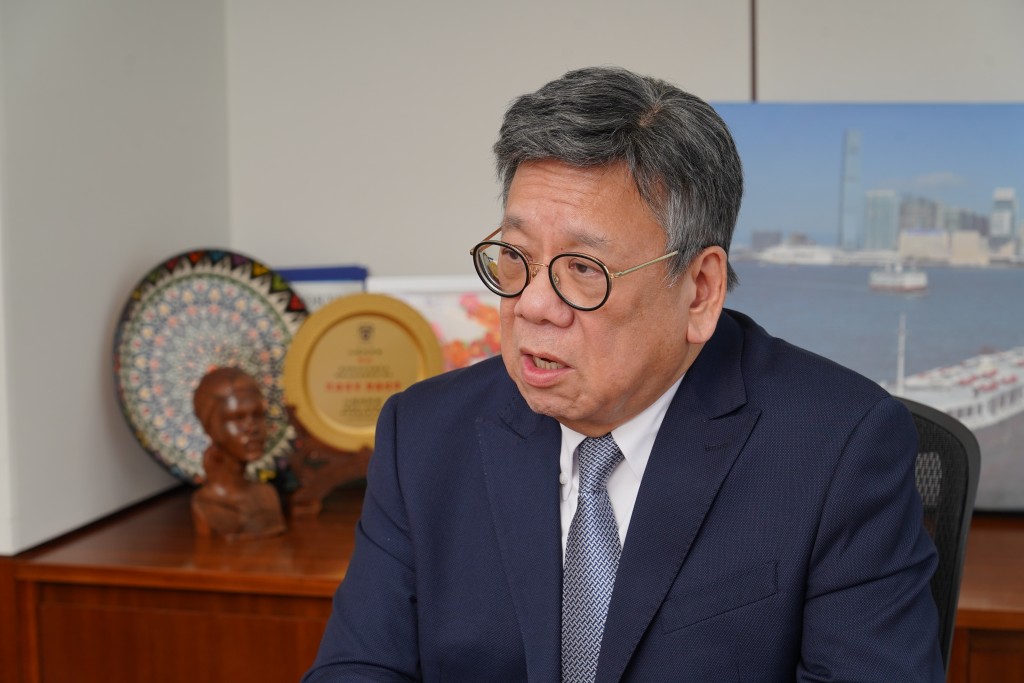
Around 90 percent of restaurants in Hong Kong have already transitioned to using alternative cutlery after the implementation of the single-use plastic ban two months ago, according to Secretary for Environment and Ecology Tse Chin-wan.
ADVERTISEMENT
SCROLL TO CONTINUE WITH CONTENT
Plastic straws, utensils, plates, and other single-use plastic items are also banned for takeaways.
Over the past two months, the Environmental Protection Department has inspected over 17,500 restaurants, 13,500 retail stores, and 1,300 hotels and guesthouses.
Last week's inspection results showed that 80-90 percent of eateries have switched to alternatives to disposable plastic tableware.
About 20 percent of restaurants no longer provide takeout tableware, while 95 percent of retail merchants and hotels are compliant with the new regulations."An international travel website has recognized Hong Kong as one of the nine sustainable tourism cities in the world, citing the city's plastic-free measures as a credit," Tse said.
Although the municipal solid waste charging scheme has been shelved, Tse said: "The publicity and preparation work over the past few months has successfully raised societal awareness about waste reduction and recycling, which has been a long-standing challenge."In the first half of last year, the "GREEN@COMMUNITY" plastic recycling program saw a 60 percent increase in volume compared to the previous year. Additionally, the amount of food waste recycled in May was eight times higher than the average last year.
The EPD installed food waste smart recycling bins in 213 public housing estates, and the demand for food waste recycling is expected to grow.Tse announced plans to double the number of smart recycling bins in public and private housing estates and set up 100 recycling points for both the public and restaurants in the upcoming year.
Since mid-2022, the program has been setting up compact recycling spots in 50 public housing estates. Meanwhile, the number of public collection spots in Hong Kong will increase to 800 by next year.