Read More




Night Recap - October 9, 2026
17 hours ago
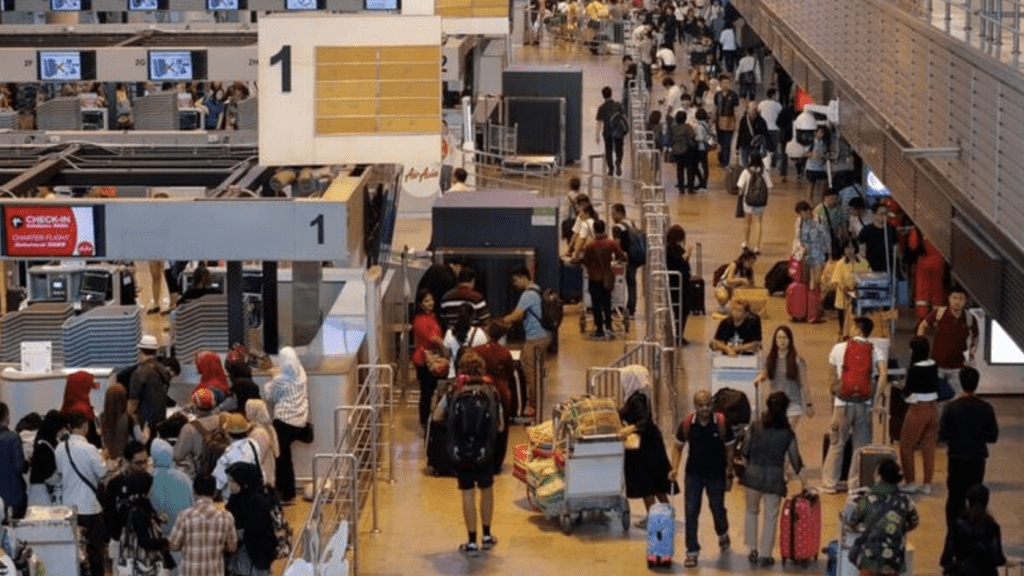
Thailand plans entry and exit fees totalling $338 for air travellers
09-10-2026 03:37 HKT
Woman found dead in tent at Sai Kung campsite
09-10-2026 03:51 HKT
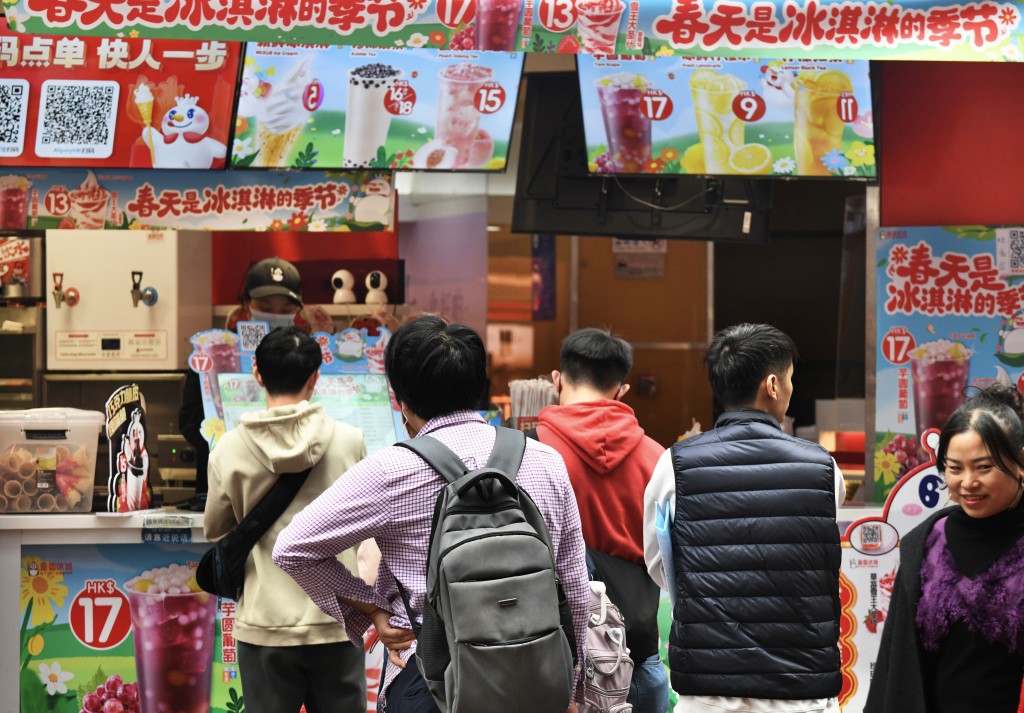
Nearly 70 percent of local small and medium enterprises reported a decline in business performance compared to prepandemic levels, according to a recent survey conducted by the Hong Kong Small and Medium Enterprises Association and JCI Dragon Hong Kong.
The survey interviewed 568 SMEs across various industries, including retail, catering, tourism and services.
The study revealed that since the border reopening in February last year, 69 percent of enterprises experienced a drop in business, while only 4.4 percent reported an increase.
Also, more than 70 percent of respondents expressed concern about the impact of changes in citizens' spending power on their businesses.
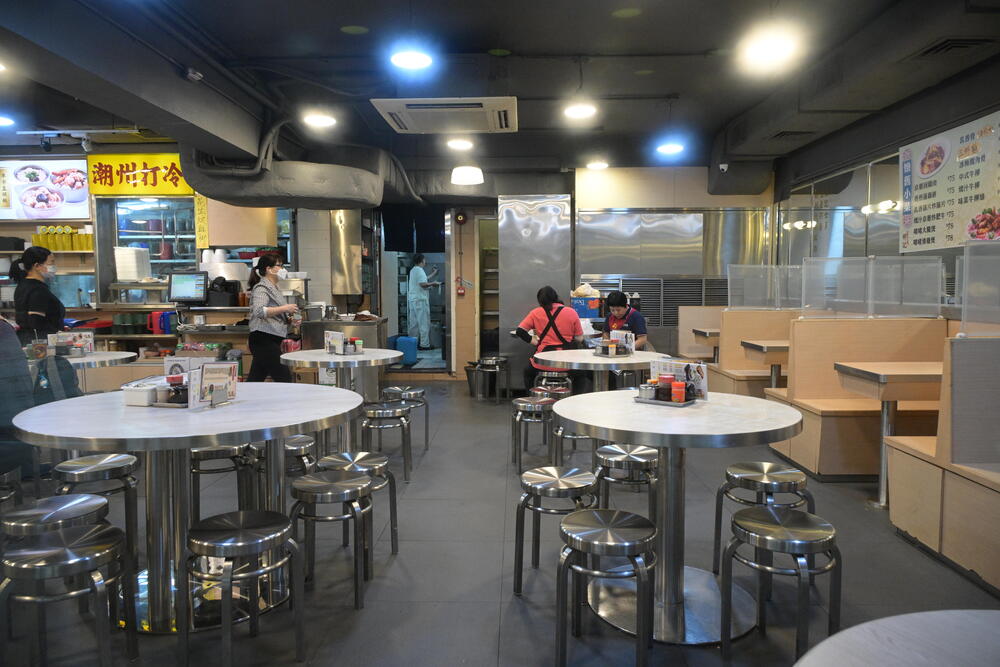
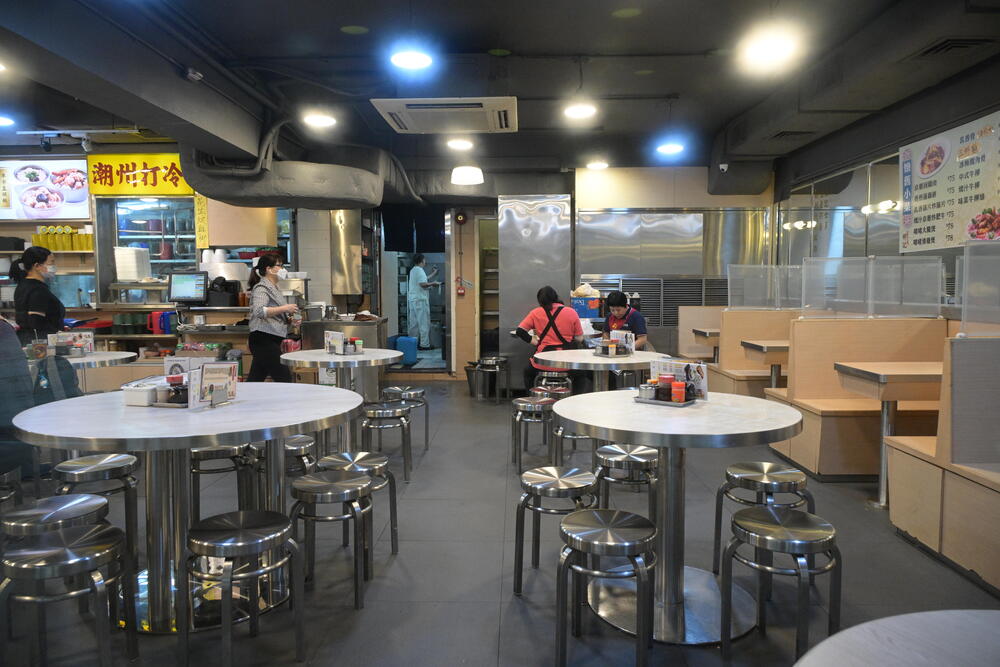
Calvin Cheng Chung-pong, the president of the Hong Kong SMEs Association, highlighted the challenges faced by catering SMEs, including high rental costs, labor shortages and changes in consumption patterns after the pandemic.
"Even mid-to-high-end restaurants had to offer discounted dish sets to attract customers, reflecting sluggish demand and declining purchasing power," he said.
Cheng said relying on loans is not a sustainable long-term solution for many SMEs, adding that they should consider transforming and expanding their businesses in other markets, such as the Greater Bay Area.
"The government should continue providing supportive policies and improve administrative processes, including speeding up loan approval procedures in collaboration with banks, to enable SMEs to access funds more quickly," he said.
The survey indicated that approximately 75 percent of SMEs are willing to undergo business transformation, and 35 percent would consider expanding their operations when the time is right.
Several business owners shared their experiences and perspectives.
Dennis So Wai-lun, the owner of a hot pot restaurant in Tsim Sha Tsui, said they started offering dim sum during breakfast and lunchtime to attract more customers, as their business had declined by over 10 percent compared to prepandemic levels.
He attributed the decline to the trend of Hongkongers traveling to the mainland for leisure and the increase in same-day tourists, which significantly affected their dinner business.
He emphasized the need for local SMEs to adapt and transform their businesses promptly.
Theo Yan Chi-keung, the owner of a seafood restaurant in Tsim Sha Tsui, said he engages in daily conversations with customers to understand their preferences and demands, enabling the restaurant to adjust its dishes and improve its service accordingly.
Eric Ho Sai-kit, the president of the Youth Innovation Entrepreneur Association and owner of a Hong Kong-style cafe, encouraged local restaurants to leverage social media platforms to increase their visibility.
"We want to attract visitors from around the world to Hong Kong through excellent food and service," he said.
Ho also urged the government to promote local dishes and restaurants to tourists, not just during major events and nightlife activities.
ayra.wang@singtaonewscorp.com