Read More



Three arrested over missing fire door frames in public estate lift overhaul
16-10-2026 20:10 HKT
Transport chief takes a back seat on fining transit nuisance behavior
14-10-2026 18:09 HKT
More than 1,000 restaurants are ready to implement the ban on single-use plastic utensils that take effect from today, Secretary for Environment and Ecology Tse Chin-wan says, as nearly half of customers "have already" opted to use their own cutlery for takeaway meals.
It will take time for different sectors to adapt to the ban, which prohibits merchants and restaurants from providing and selling disposable plastic products - such as plastic tableware and toothpicks and plastic-stemmed cotton buds - according to Tse.
He added that people should not be surprised if they see disposable tableware at restaurants as they have a six-month period to clear inventory before officers start enforcing the ban.
"But we're delighted to see that awareness of environmental protection has been increasing recently," Tse said on his blog. "Some restaurants said half of their customers did not ask for disposable utensils when ordering takeaway food."
He said the Environmental Protection Department will visit restaurants and merchants to provide information and assistance as it aims to educate and warn violators instead of taking enforcement action.
Tse suggested restaurants choose suitable alternatives based on the dishes they serve as there have been complaints about the quality of some user-friendly products.
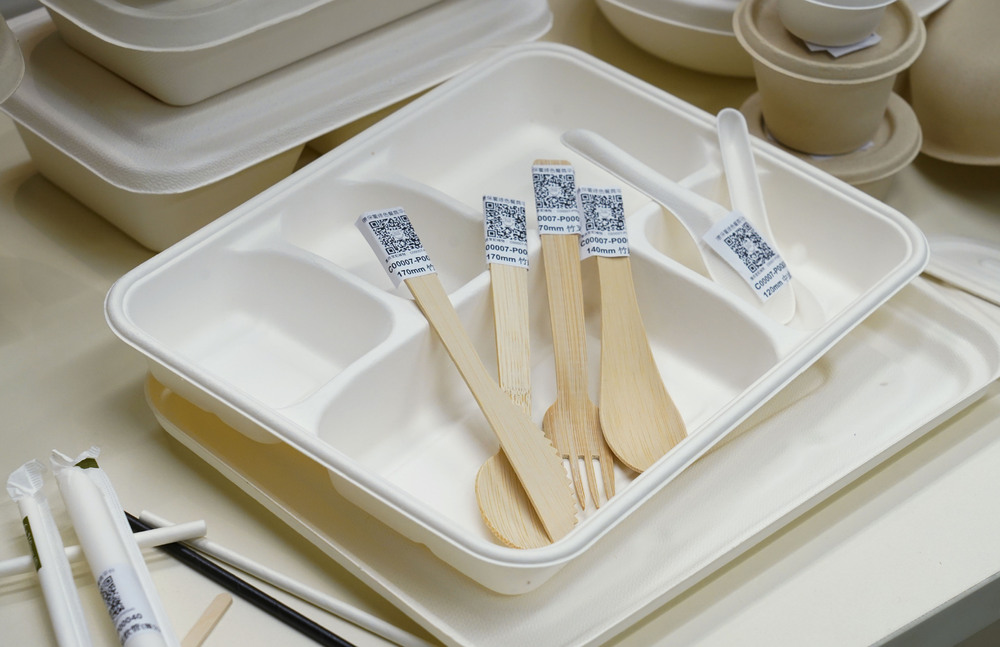
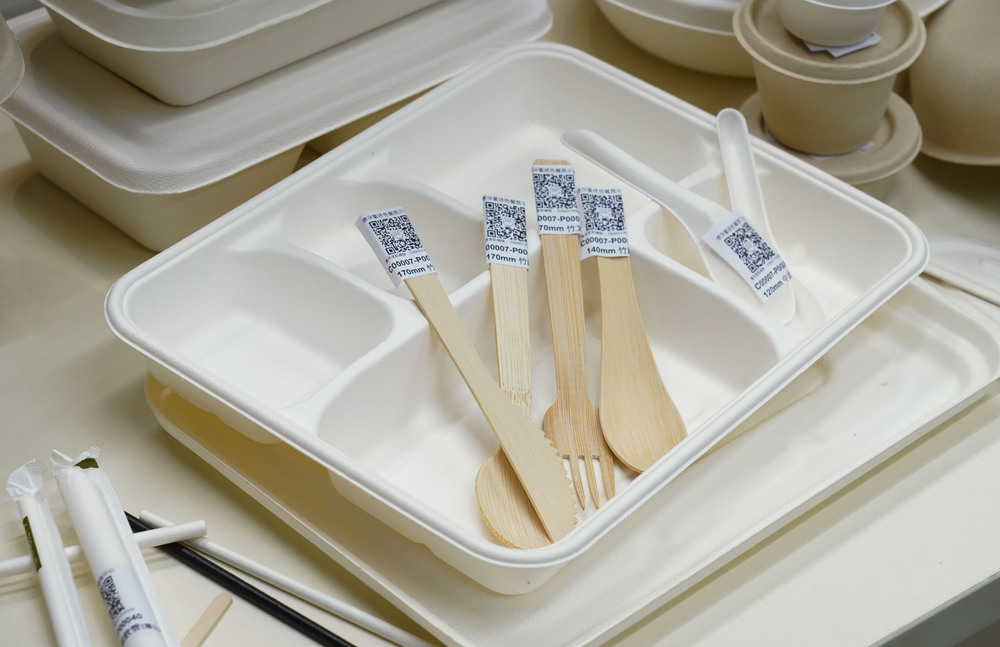
"Environment-friendly tableware can be made of diverse materials," he said. "Besides paper, there are many other options, including wood, bamboo, bagasse and straw pulp."
Tse urged the catering sector to check out the department's platform, which lists more than 720 kinds of eco-friendly tableware from 60 suppliers.
Some restaurants said they will charge customers for eco-friendly cutlery as they are more expensive.
Hong Kong Federation of Restaurants and Related Trades president Simon Wong Ka-wo said restaurants need to recover the cost of alternative tableware, which is 30 percent pricier than plastic.
Wong added that about 30 percent of restaurants have switched to nonplastic alternatives. But he expects most small to medium-sized restaurants to continue to use plastic tableware in the next six months to save cost.
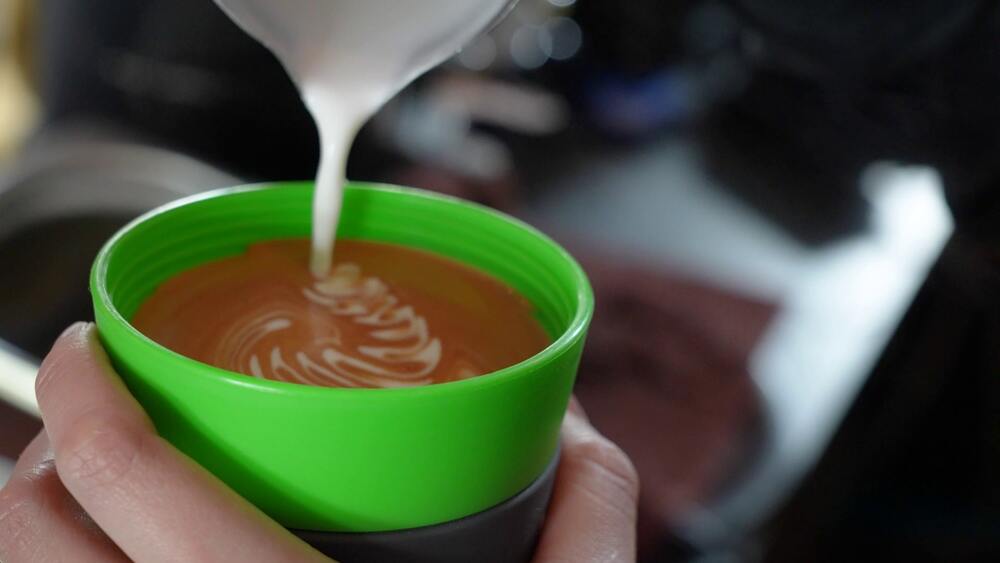
"People are encouraged to develop the habit of bringing their own reusable cutlery and containers when buying takeaways," Wong said.
Alvis Yip, founder of Supply Ching Co, an eco-friendly tableware supplier, said it is inevitable restaurants will charge more as alternative products are more expensive.
"Tableware made of paper or wood will become soft after absorbing liquid and if waterproof coating is added the cost will be higher," Yip said.
But he added it is obvious plastic products cause great damage to the environment despite being cheaper.
Chan Cheuk-ming - known as "Ming Gor" - who has been offering free meals to the needy in Sham Shui Po for more than a decade, said he will not reduce the number of meals his three restaurants give away or increase prices.
He said the ban will increase his costs by around HK$13,000 a month and he hopes the administration will provide subsidies to eco-friendly tableware suppliers.
Leanne Tam Wing-lam, a Greenpeace campaigner, called on authorities to increase publicity of the law.
"Besides promoting online, the government should also distribute posters to restaurants and place them at the entrance or in conspicuous places so that customers can get to know the regulations," Tam said.
ayra.wang@singtaonewscorp.com
Editorial: Wrap up throw-away policy sensibly