Read More
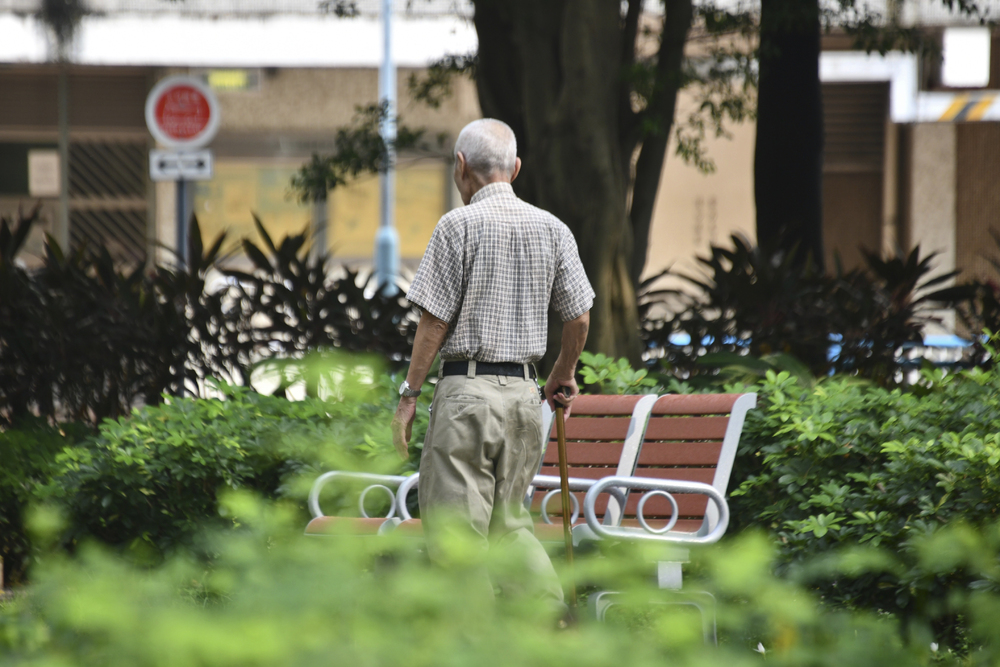
Suicide figures involving elderly people have climbed, prompted by anxiety and loneliness during the pandemic and the migration wave.
ADVERTISEMENT
SCROLL TO CONTINUE WITH CONTENT
Paul Yip Siu-fai, director of the Hong Kong Jockey Club Center for Suicide Research and Prevention, said yesterday: "Quarantine and lockdowns during the pandemic have brought a lot of anxiety to the elderly."
He said many seniors citizens lost their drive after many people moved out of Hong Kong under the migration wave.
"Many felt more lonely as their children and grandchildren all left," Yip said.
This prompted a rising rate of elderly suicide, especially for those living alone or with an aged partner.
According to the latest data from suicide prevention organization Samaritan Befrienders Hong Kong, 1,080 suicides were recorded in 2022, and over 40 percent of the cases involved people aged 60 or above. That was an increase of 6.95 percent compared to 2021.
Yip said the key to seniors' suicide prevention is to protect them from feelings of abandonment.
"Some elderly will feel they have been left behind due to ill health and then suffer from anxiety, loneliness and hopelessness," Yip said.
"Sometimes a suicide happens not because of poor living conditions but because they cannot bear the loneliness."
Yip admitted there are not enough mental health professionals to care for seniors' emotional problems, yet care teams can play a positive role.
"It is important to have care teams actively visit and build connections with the elderly and who will let the elderly know they are not left out," Yip said.
He also said his center is training members of care teams and working with them to locate more elderly in need of mental health support.
"Care teams will visit residents in an estate door to door and find elderly with mental health issues and provide them with appropriate support," Yip said.
He said the scheme will soon begin in six districts - Kwai Tsing, Yuen Long, Islands, Kwun Tong, North District and Sham Shui Po - where many elderly live.
He estimated that over 10,000 elderly people with mental health problems will get help after the scheme is expanded across the city.
Yip urged people who immigrated overseas to regularly contact aged parents still in Hong Kong and inform community service centers to help take care of them.
He encouraged the elderly to seek help when they encounter problems and to participate more in community activities.
Yip suggested too that enterprises allow employees to take elderly-care holidays to visit and take care of the seniors in their families.
Meanwhile, youth organization Junior Chamber International Queensway and Hong Kong Christian Service launched a support scheme yesterday to assist "left-behind elderly" - those whose children were part of the migration wave.
Its president, Tiffany Leung Tsz-lam, said the number of left-behind elderly has been increasing, with 80 percent feeling relatively high levels of loneliness and 70 percent feeling down or depressed.
"We hope to get the left-behind elderly connected to the community, equip them with knowledge about electronic products and raise people's awareness," Leung said.
The organization also learn more about the needs of elderly through questionnaires, home visits and communication with children outside Hong Kong.
ayra.wang@singtaonewscorp.com
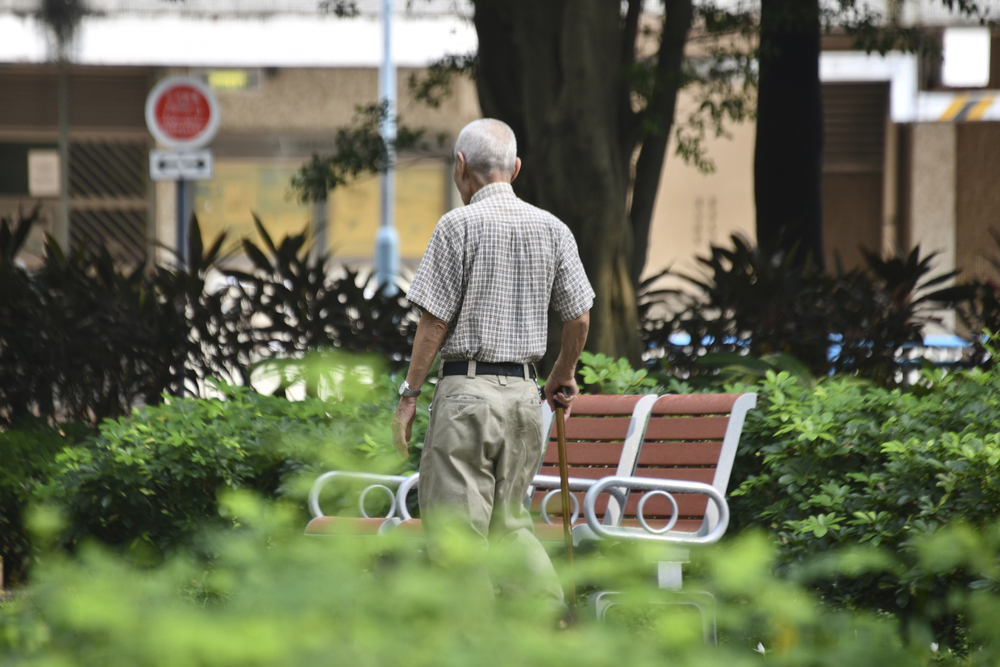
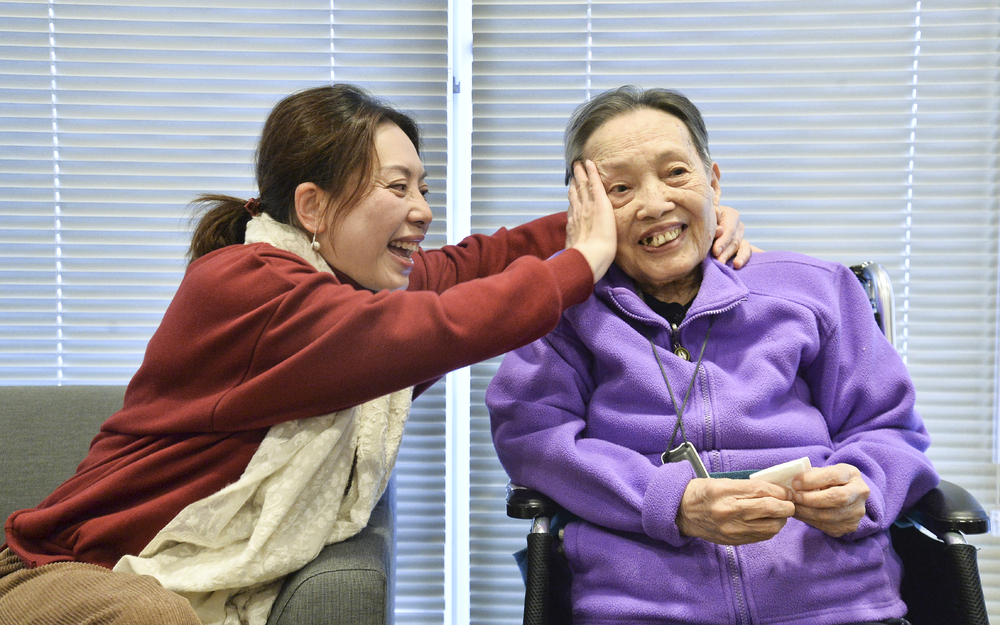
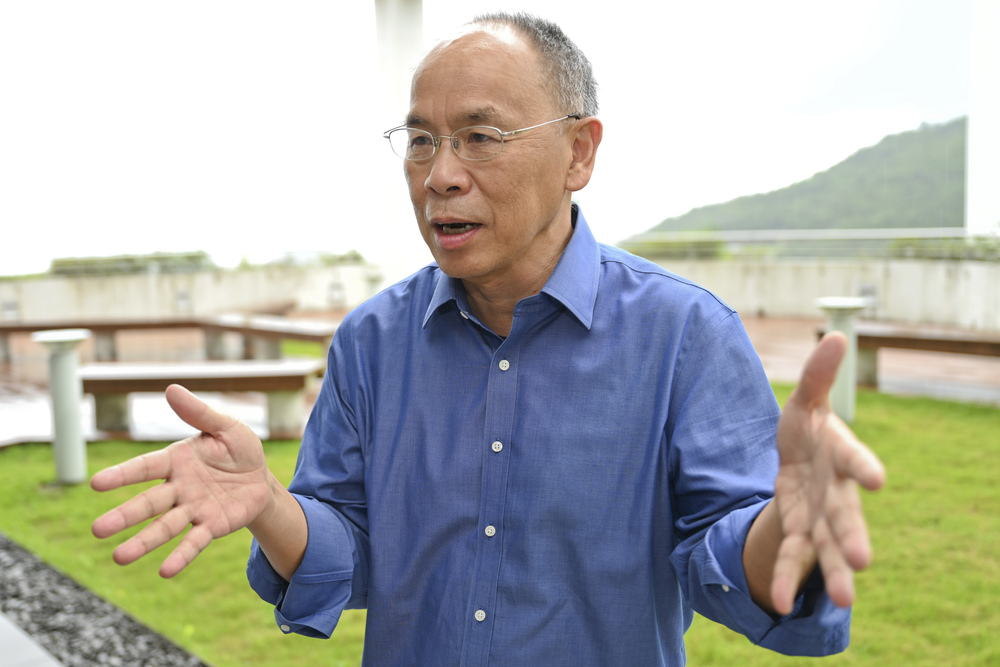
Many senior citizens, especially those left behind by children who have migrated, cannot bear the loneliness and this is where mental health professionals can help, according to Paul Yip, right. SING TAO