Read More




Three more disparate cities in the mainland are being floated around when the individual visit scheme is extended to boost tourism.
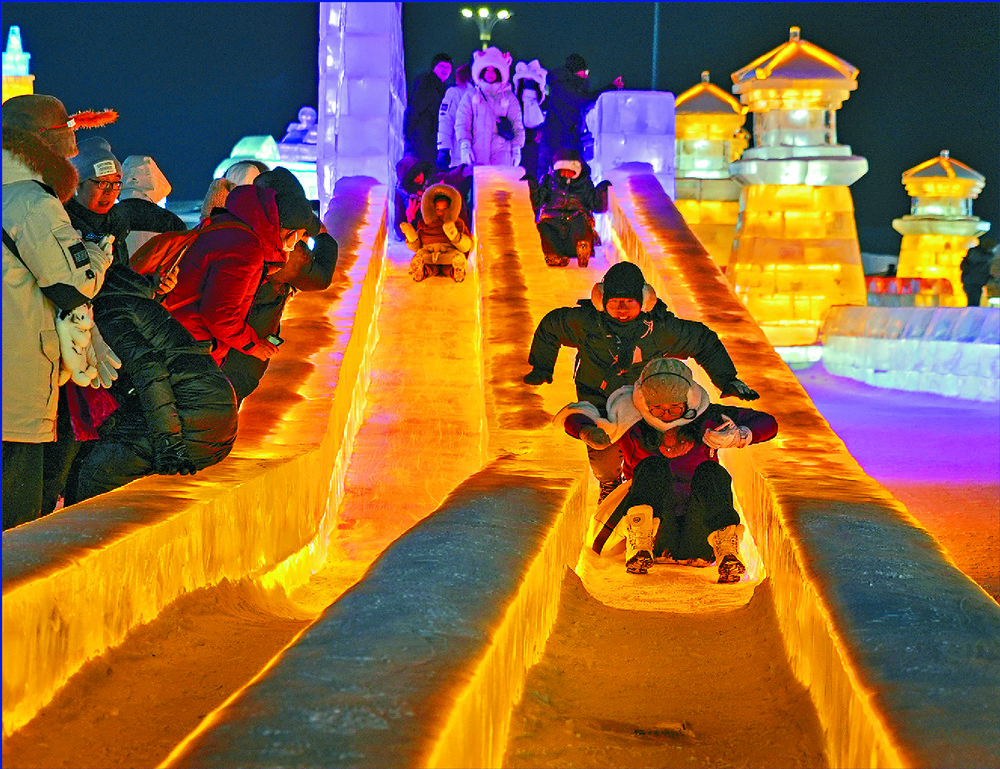
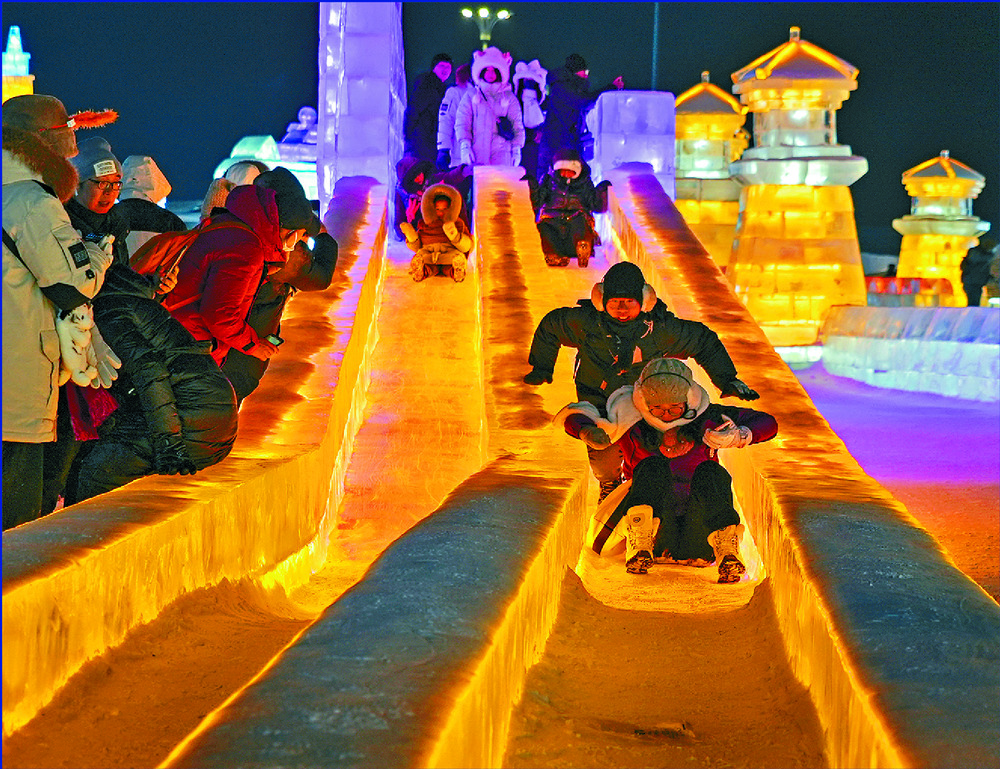
Speaking yesterday, Hong Kong Federation of Restaurants and Related Trades Ltd chair Simon Wong Ka-wo said during his meeting with Hong Kong and Macau Affairs Office director Xia Baolong several days ago, a director for handling economic development told him that more cities will be covered, such as Harbin, after authorities review the operation.
A retail group said extending the scheme to Xi'an and Qingdao would bring more overnight visitors to Hong Kong and can boost tourism, retail, catering, and hotel business, but it takes time to see results.
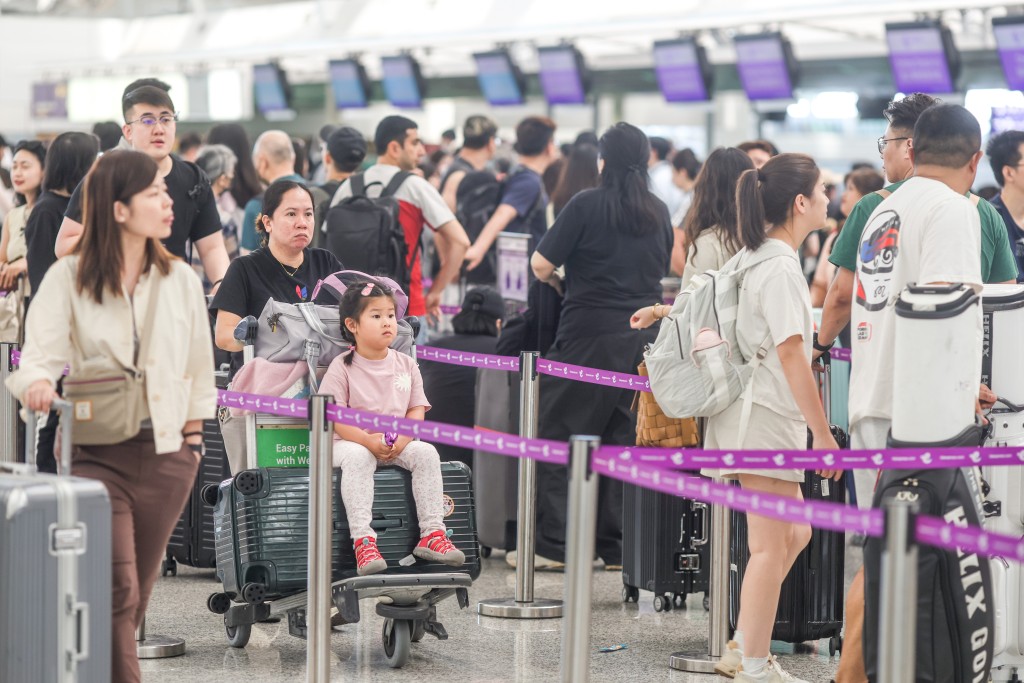
Hong Kong Retail Management Association chairman Annie Tse Yau On-yee said: "Visitors from these two cities will likely arrive by air, which would benefit the hotel sector and nighttime markets."She believes Hong Kong could accommodate the influx and hopes more cities would follow.
Tse said tourists from the two cities will have in-depth tours, which will in turn drive spending in retail industries.Meanwhile, local hotel room rates exceeded pre-pandemic levels to reach HK$1,715 a night during the Lunar New Year holiday, though the occupancy rate was slightly lower than four years ago, according to a poll by the Hong Kong Hotels Association.
The association said the hotel sector has fully recovered to 2019 levels and mainly attributed it to a series of events organized by the government.After surveying its hotel members, the HKHA said the room rates during the eight-day holiday rose 6 percent over 2019.
But overall occupancy rate was 0.4 percentage points lower at 93.4 percent.Hong Kong Tourism Board data showed the number of mainland tourists to the city hit 652,000 during the first four days of the Year of the Dragon, surpassing 2019 figures.
For the past year, tourists stayed for 3.6 nights on average, more than the 3.1 nights in 2019.The HKHA expects the government to add more local elements to the day and night vibes in 18 districts, to attract more mainland tourists whose focus has turned from luxury to cultural experiences.
It said new hotels will be built to the existing 90,000 rooms for individual visitors.It said the government will strengthen the arrangements for hospitality capacity, including enhancing air capacity and importing labor to support the recovery of the tourism industry.
It said the air capacity will recover to pre-pandemic levels by the year-end.The Federation of Hong Kong Hotel Owners is pushing for the rollout of more one-stop travel plans to attract tourists to Hong Kong from countries enjoying a visa-free policy with China.