Read More




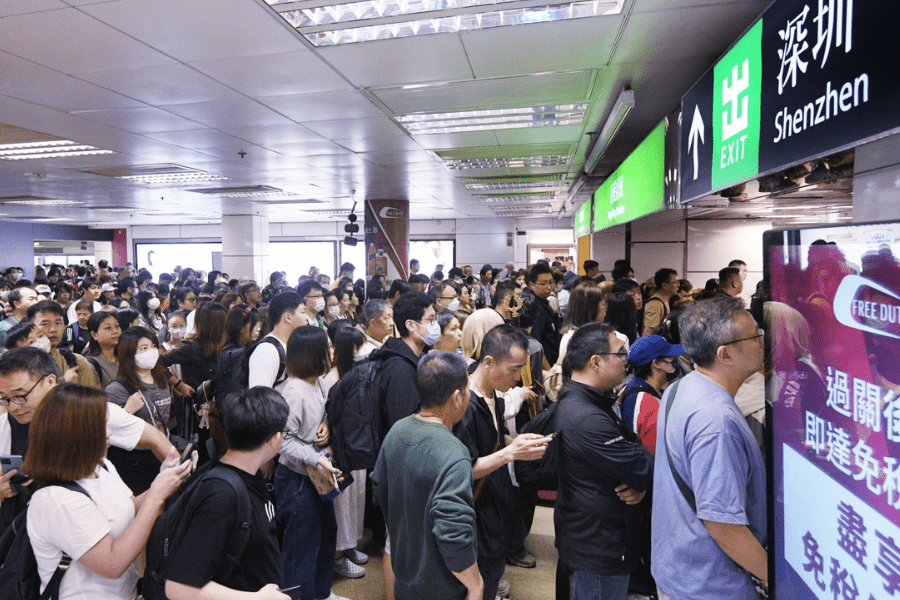
Nearly 1.26mn Hongkongers hop out of town, with 225,000 crossings by 10am
05-04-2026 17:11 HKT
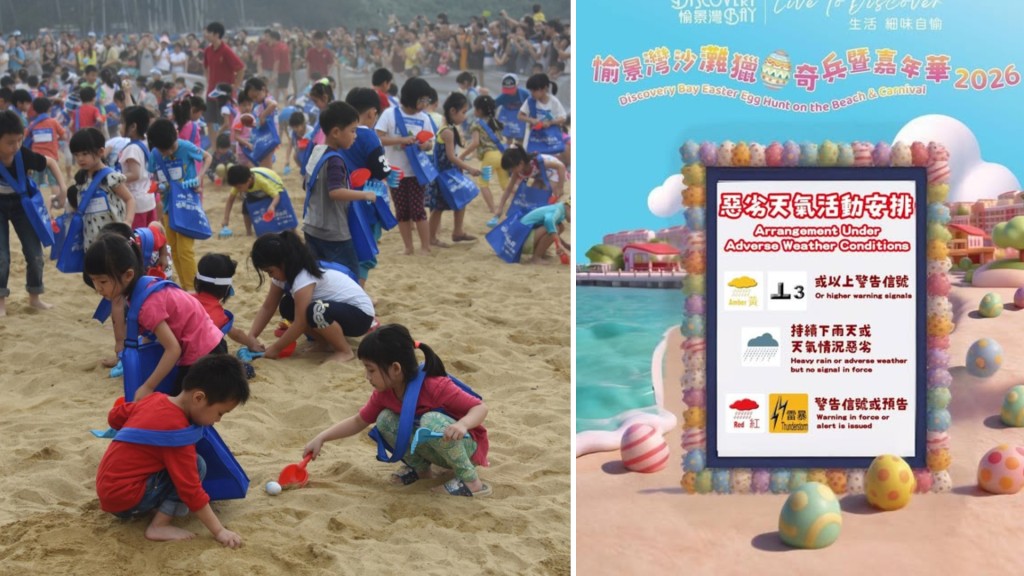
Families disappointed after Discovery Bay Easter Egg Hunt cancellation
05-04-2026 19:58 HKT
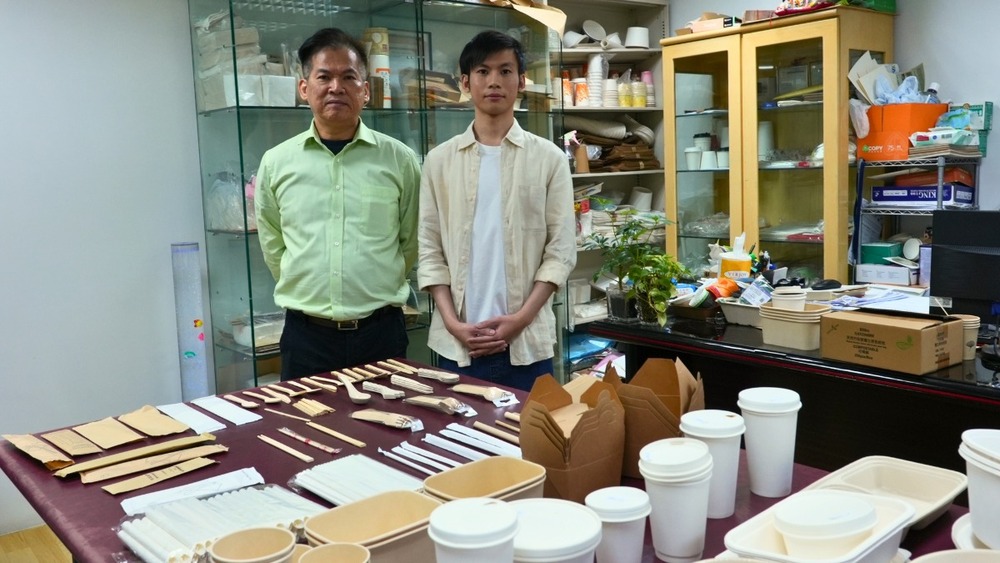
Prices of takeaway meals will not skyrocket after the ban on single-use plastic utensils goes into force on April 22 as manufacturers say environment-friendly substitutes cost just as much.
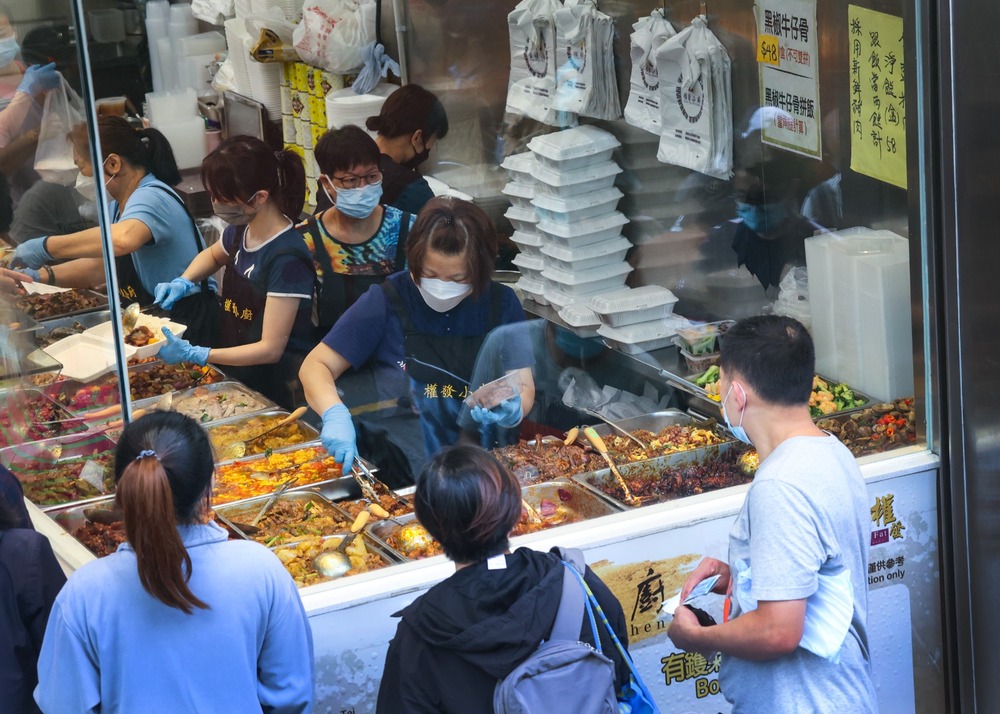
The official ban has prompted fears restaurants will increase prices of takeaway meals after the transition to "friendly utensils."
After comparing quotes from 50 utensil manufacturers, the cost of single-use plastic utensils and their substitutes made from paper, bamboo, wood or plant fibers are similar. And in some cases the more environment-friendly ones might even be cheaper, according to Sing Tao Daily, sister paper of The Standard.
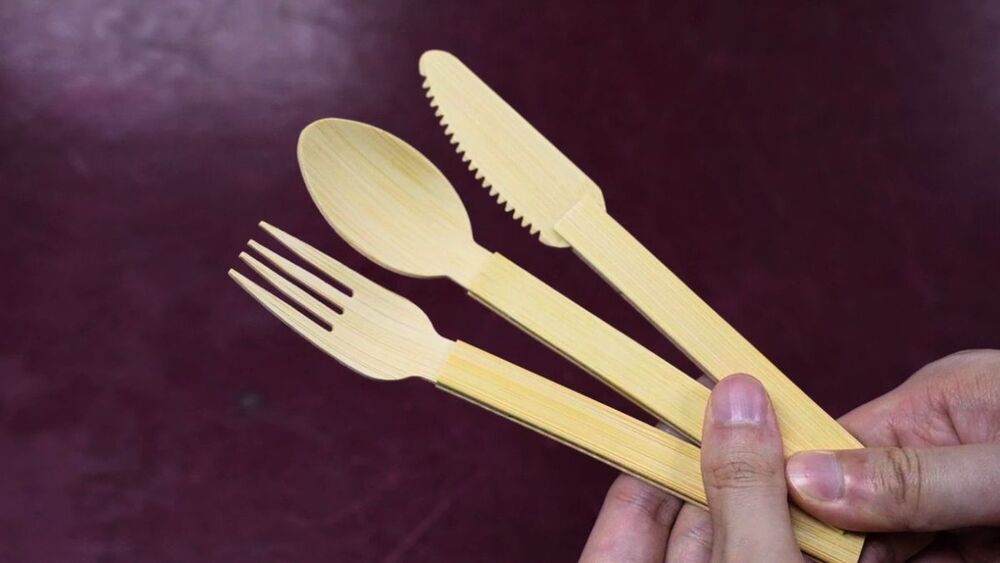
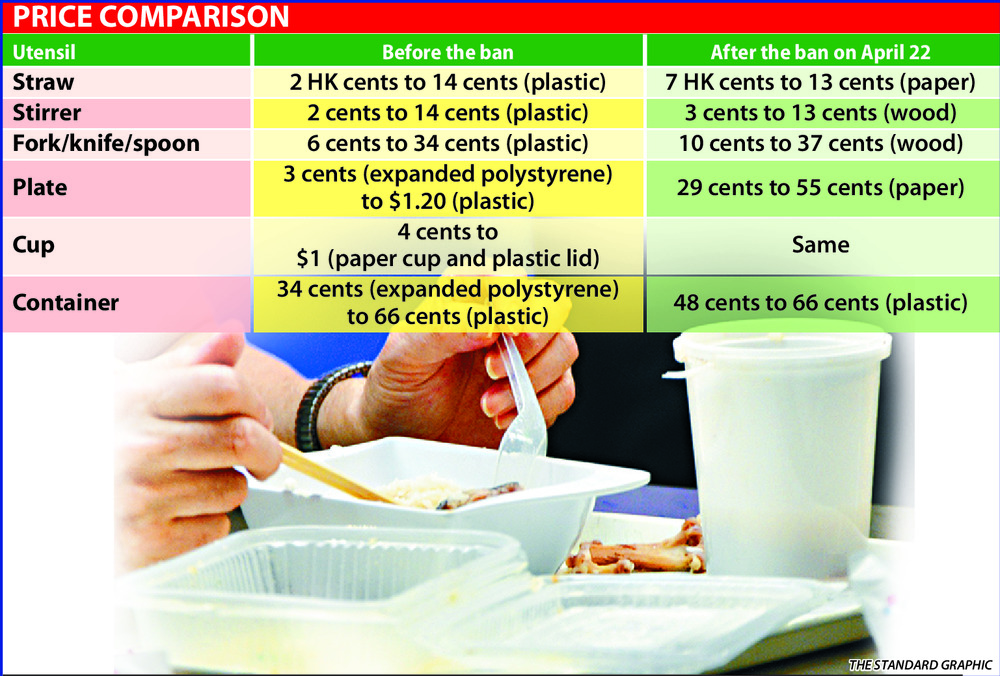
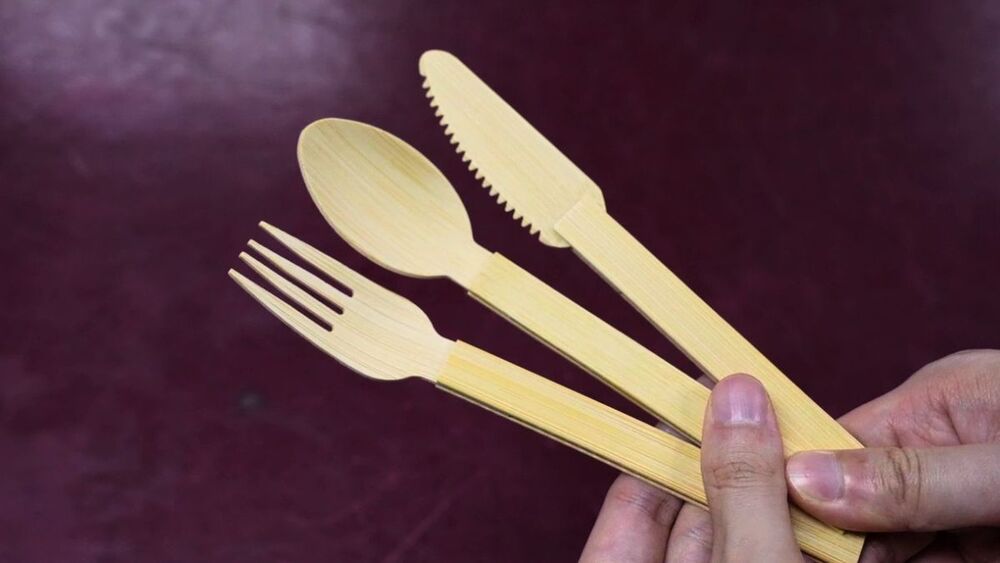
Wooden knives, forks and spoons cost 10 HK cents each - just 4 HK cents more than plastic ones - while a wooden stirring rod only costs 1 HK cent more compared to plastic rods.
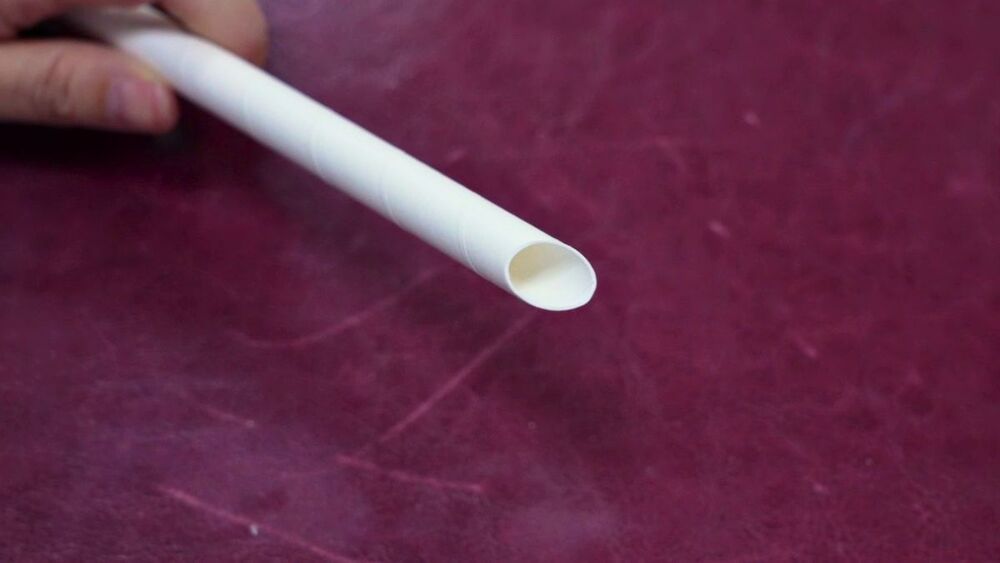
Paper straws and plates are even cheaper than plastic ones, with a paper straw costing 1 HK cent less than a plastic one.
Containers made of expanded polystyrene, which cost around 34 HK cents each, will be banned from April 22, but restaurants can switch to other plastic containers by only paying 14 HK cents more for each box.
Calvin So, in charge of Sun Cheong Hong Stationery & Paper, noted that the mainland has banned expanded polystyrene utensils since late 2020.
Macau, the European Union and some states in Australia rolled out similar bans years earlier, prompting the development of utensil production.
"The technology of producing environment-friendly utensils has been improving, leading to a drop in the price of these utensils to the similar level of single-use plastic utensils," So said.
And alternatives to plastic utensils are plentiful, while those made of wood, bamboo or paper can also hold food - resistant to water, oil or heat .
So also tried to allay concerns that the catering sector would increase prices after moving away from single-use plastic utensils. In addition, So said, with advanced technologies environment-friendly utensils are of high quality now.
For example, a paper straw would become softer after being used for an hour in the past, but now they are much more durable.
Wide paper straws have also been produced for people to drink bubble tea and other beverages. Forks and knives made of environment-friendly materials are also easier to use and can even cut a steak.
"There are various types of environment-friendly tableware and their prices are cheaper than people's expectations," So said, adding that the plastic utensil ban in April will improve the popularity of green tableware.
Director of Galaxy Paper Innovation manufacturer Eric Kai Fung-Sze said the whole catering sector shares the responsibility of reducing plastic waste, thus easing the pressure on landfill sites.
"The sector has been '99 percent ready' for the plastic ban and there will not be any chaos," Kai said.
Many major restaurant chains have already come up with plastic-reduction measures before the ban comes into effect.
Kai also reassured customers that most environment-friendly utensils cost the same as plastic ones and people do not have to worry about the price of takeaway food.
Authorities will reduce the plastic waste in two phases, with a ban on polystyrene tableware, straws, stirrers, forks, knives, spoons and plates in the first phase beginning on April 22.
Also in the first phase, restaurants will be prohibited from giving out disposable plastic cups, lids, food containers and covers to diners, while free in-room plastic bottled water in hotels and guest rooms will be banned as well.
In the second phase beginning in 2025, all plastic utensils will be banned for dine-in and takeaway services.
Those who violate the law can be subjected to a maximum penalty of HK$100,000, but law enforcers can also issue fixed penalty tickets of HK$2,000.
wallis.wang@singtaonewscorp.com